

2026 Stuttgart International Exhibition for Metal Working, Germany (AMB 2026): Show Floor Observations and Trend Analysis
Summary
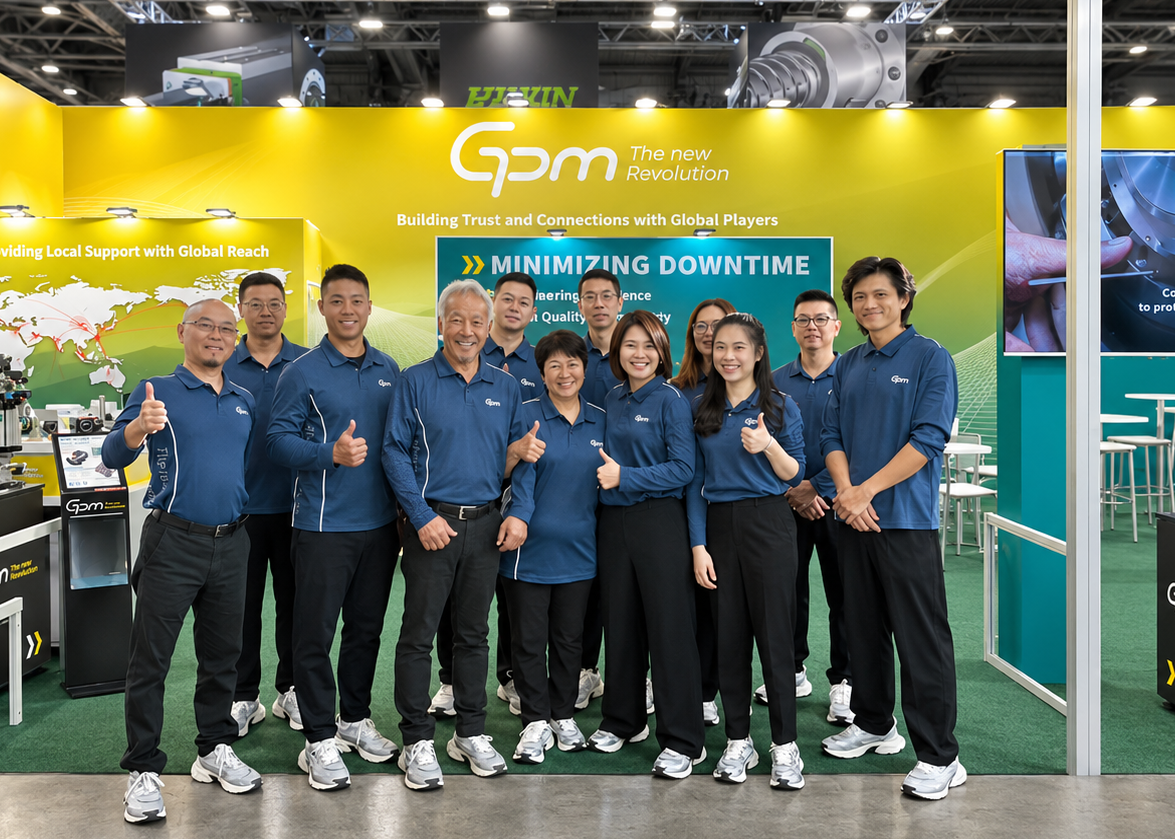
AMB 2026, one of Europe's leading machine tool and metalworking trade fairs, offers an important window into European manufacturing technology, automation adoption, and machine tool industry trends. The show points to a European machine tool industry moving toward "multitasking, automation, flexible manufacturing integration, and robot integration," driven by demand from Europe's medical, defense, aerospace, and energy sectors. As a supplier of key machine tool components, GPM will continue to enhance single-machine functionality, expand automation, and grow global sales, building close partnerships with machine tool builders worldwide to meet evolving market needs.
 |
Trend 1: Miniaturization and Turn-Mill-Grind Multitasking
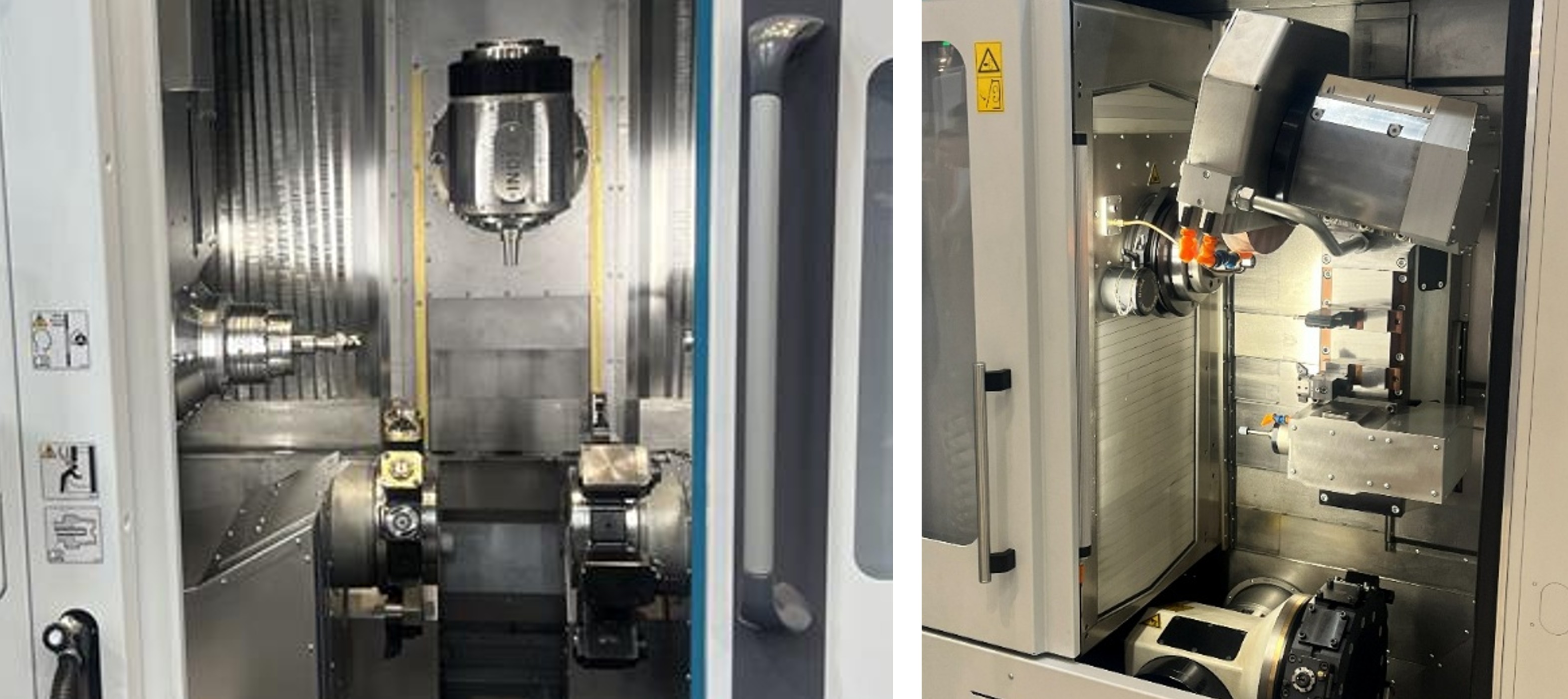
A key trend at AMB 2026 was the miniaturization of machine tools and the rise of turn-mill-grind multitasking. Machine tool builders such as INDEX, SPINNER, and NAKAMURA-TOME showcased turn-mill machines equipped with compact turrets and B-axes (Figure 1). Turn-mill-grind machines were also a highlight; they can complete multiple machining operations in a single setup, reducing cumulative error and handling time. According to Eurostat, the EU's official statistics office (2026), people aged 65 and over now account for roughly one-fifth of Europe's population, driving growing demand for medical devices, orthopedic implants, and minimally invasive surgical components. Conditions in Europe's healthcare sector are thus fueling this trend.
 |
Trend 2: Expanding Automation
Europe continues to strengthen its defense autonomy, invest more in aerospace, and accelerate its energy transition, all of which are boosting demand for precision manufacturing. According to the European Commission (2026), EU defense spending is projected to rise from €418 billion in 2025 to €454 billion in 2026. Airbus (2026) notes that global demand for new aircraft will exceed 40,000 over the next 20 years, continuing to lift the market for aerospace component machining. Meanwhile, WindEurope (2026) reports that European wind power is expanding rapidly. These developments are increasing demand for large, high-precision parts and advanced machining technologies, with the following responses:
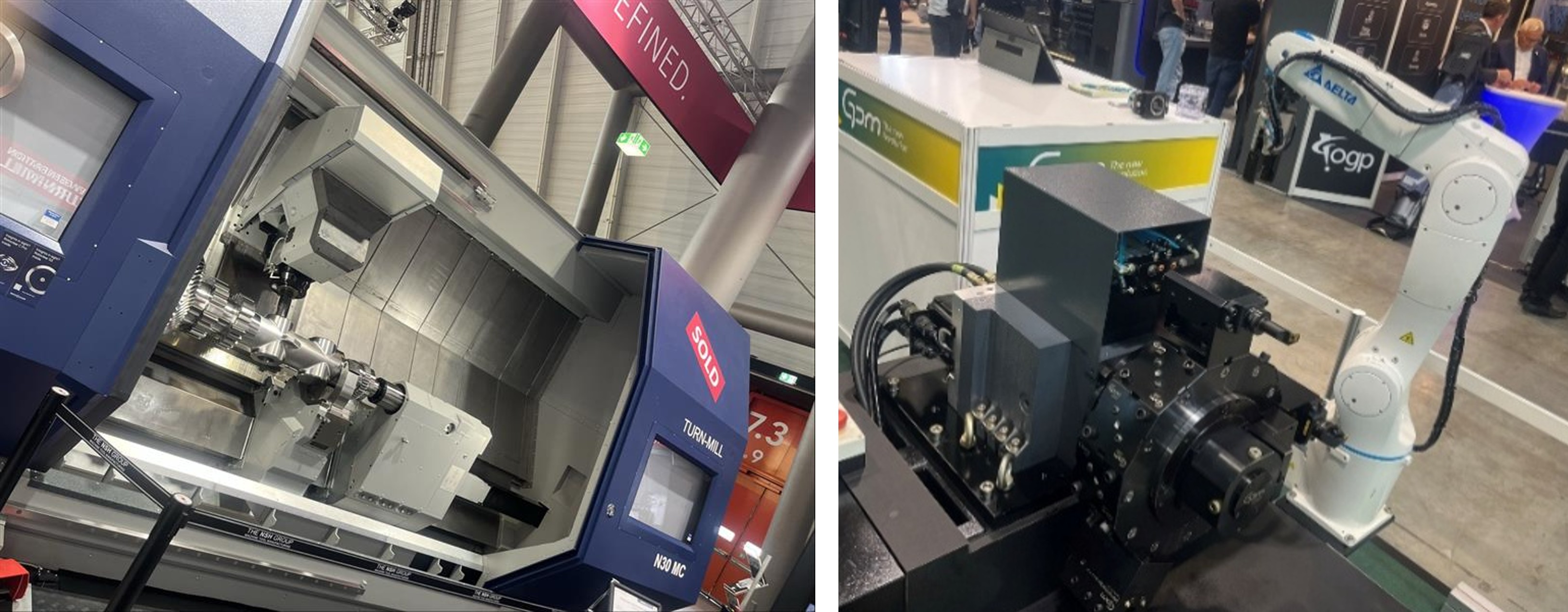
- Automation of large lathes: Machine tool builders introduced large multitasking machines with B-axis turn-mill swivel heads that enable single-setup machining, reducing the errors and costs of repeatedly re-clamping large workpieces (Figure 2).
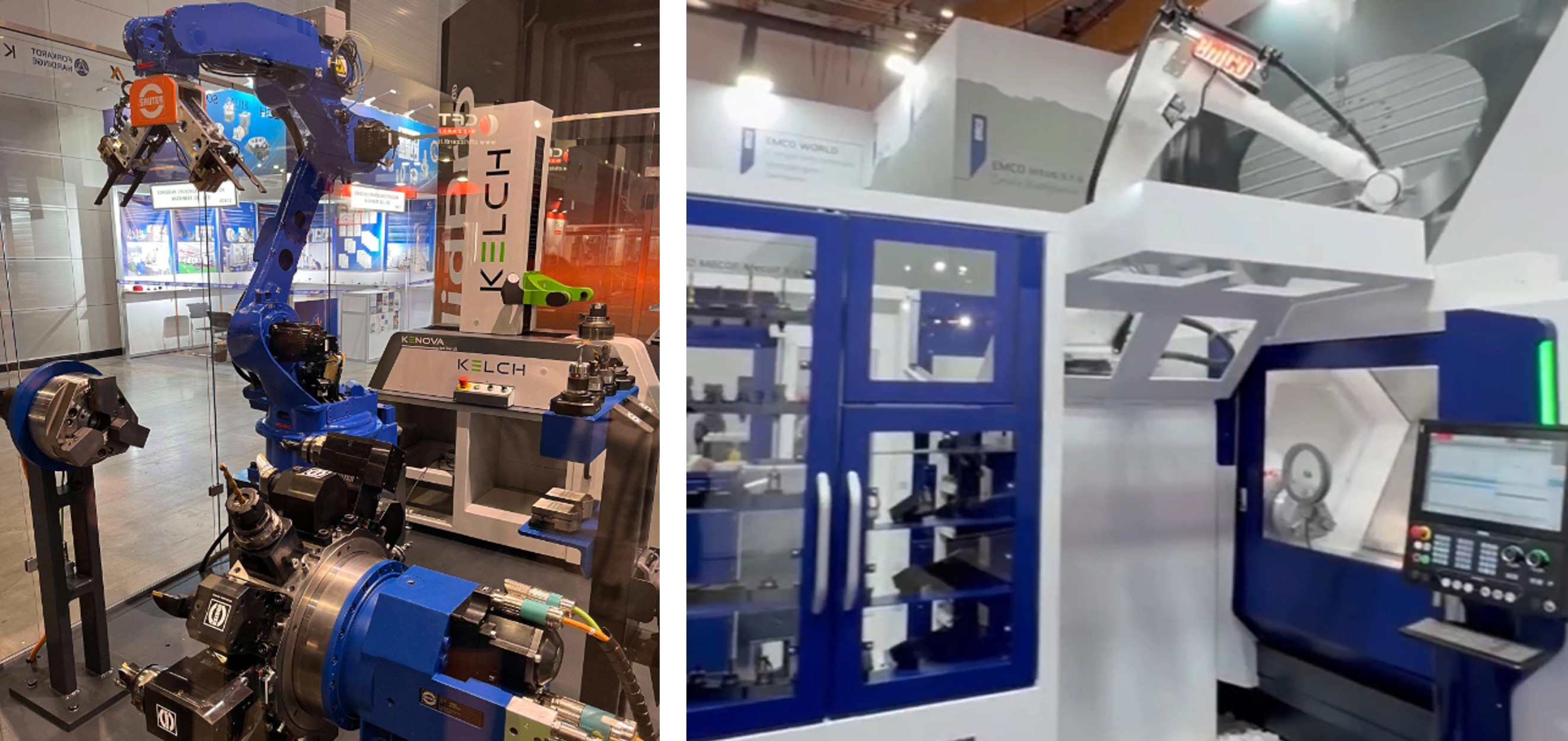
- Automatic changing: Companies such as GPM, Eppinger, and Citizen focus on automatic tool changing for lathes (Figure 2). Meanwhile, SAUTER, EMCO, and others launched complete changing systems covering tool changing, chuck changing, automatic loading and unloading, and tool inspection (Figure 3).
 |
 |
Trend 3: Flexible Manufacturing Line Planning
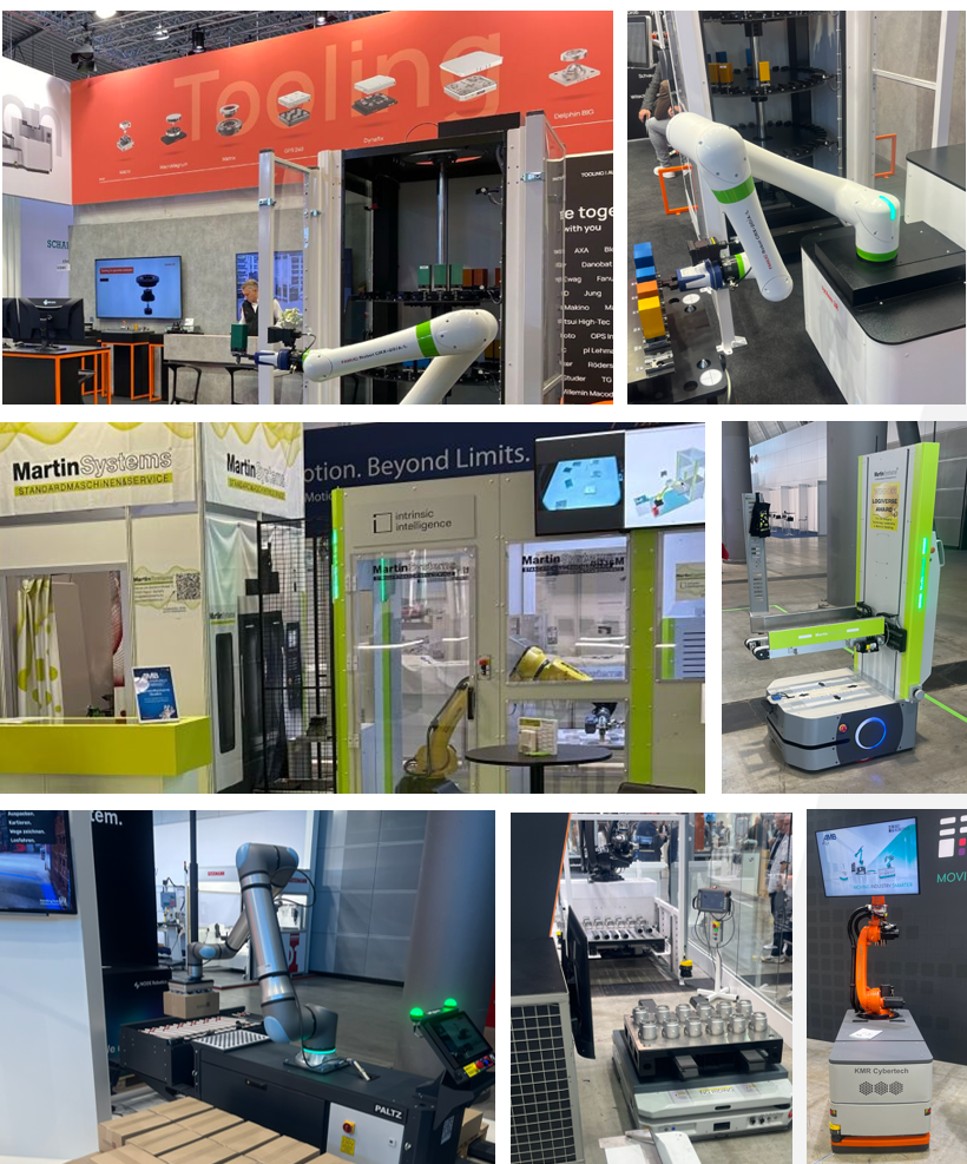
At AMB 2026, a number of exhibitors went beyond showcasing individual machine tools or automation equipment and instead offered integrated smart manufacturing systems and full production line planning. These combine machine tools, robotic arms, AMRs (autonomous mobile robots), and workpiece and material handling equipment into complete production lines, moving from single-machine automation toward cross-equipment coordination, flexible production, and lights-out manufacturing (Figure 4).
 |
Trend 4: Robot Integration
AMB 2026 showed robots being applied more broadly in the following ways:
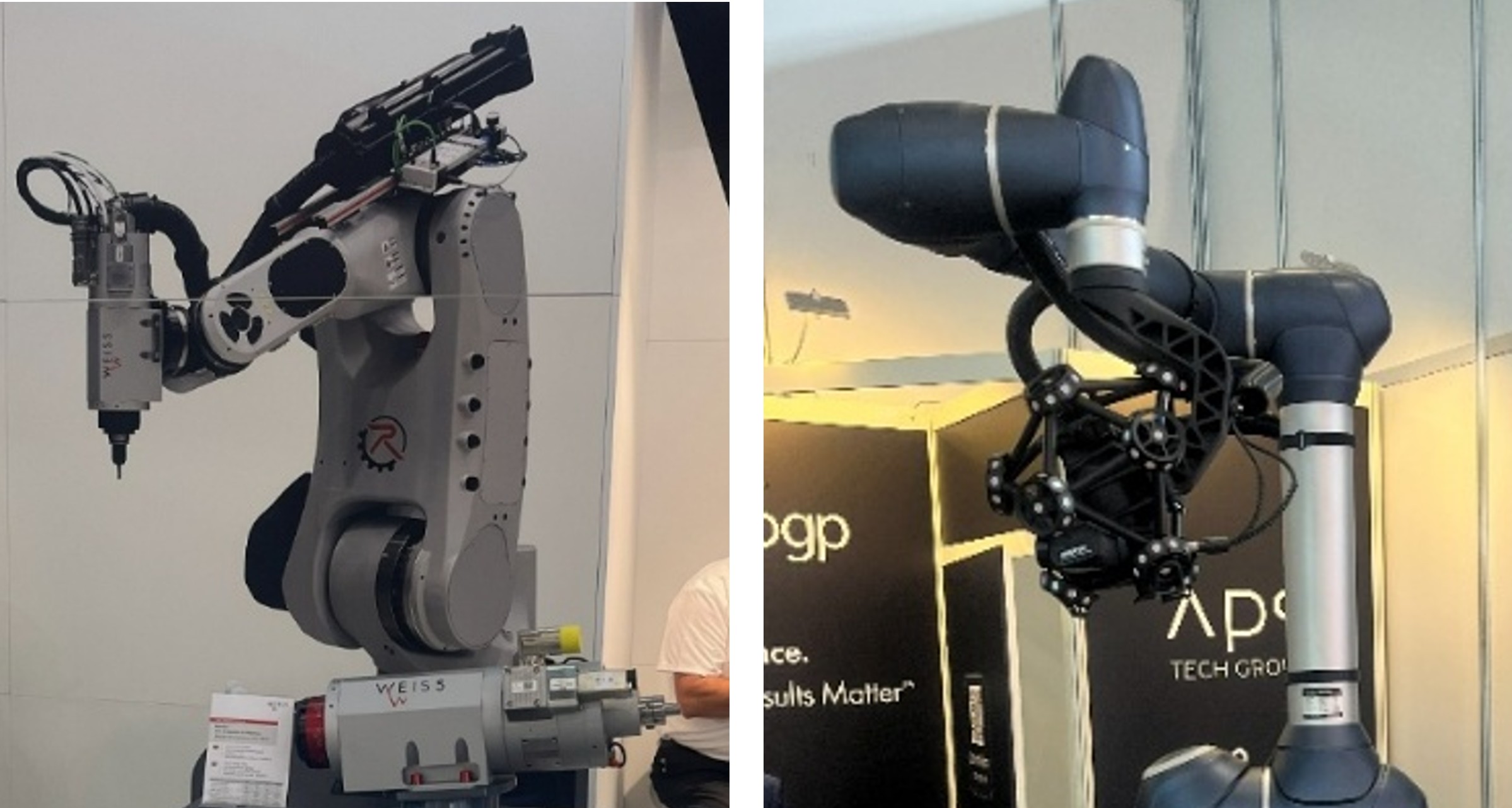
- Auxiliary machining: Robots fitted with milling spindles or cutting equipment, suited to processes that do not require critical precision (Figure 5).
- Auxiliary inspection: Robots equipped with vision measurement devices to inspect workpiece dimensions, defects, and more (Figure 5).
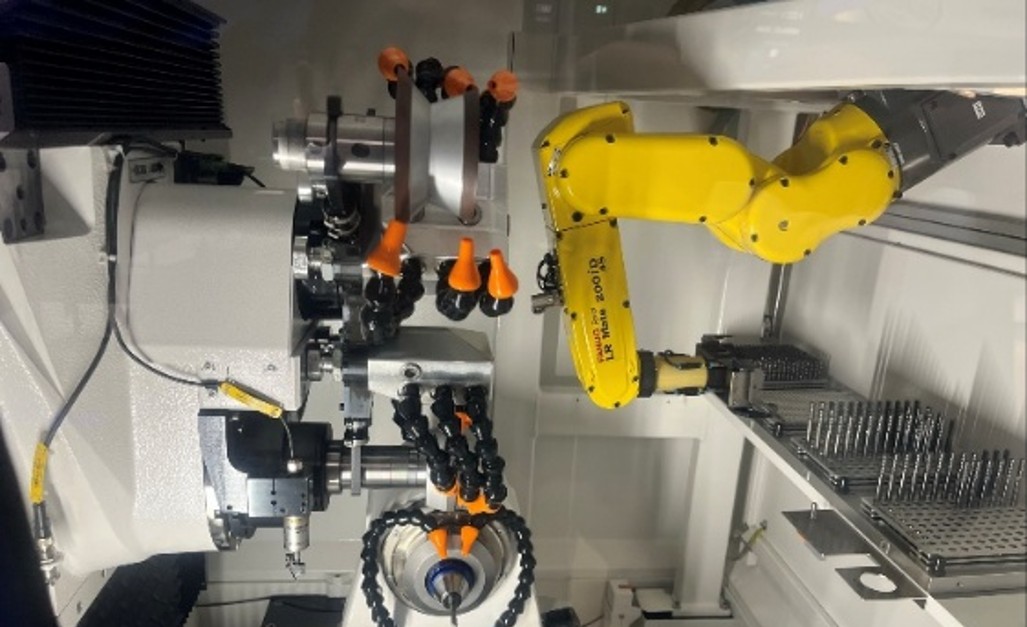
- Built-in robots: Machine tools with integrated robots to assist production and increase automation flexibility (Figure 6).
 |
 |
Reference
- Publications Office of the European Union. (2026, March 19). An ageing Europe: What the data tells us. data.europa.eu. https://data.europa.eu/en/publications/datastories/ageing-europe-what-data-tells-us
- European Commission. (n.d.). EDIS | Our common defence industrial strategy. Defence Industry and Space. Retrieved September 30, 2026, from https://defence-industry-space.ec.europa.eu/eu-defence-industry/edis-our-common-defence-industrial-strategy_en
- WindEurope. (n.d.). WindEurope intelligence platform: Data & statistics. Retrieved September 30, 2026, from https://windeurope.org/data/
- Airbus. (2026, July 8). Airbus global market forecast 2026–2045. https://www.airbus.com/en/products-services/commercial-aircraft/global-market-forecast


