

Embracing Antifragility: Machine Tool Ecosystems Rise Against Tariff and Exchange Rate Shocks.
Beyond Resilience: Taiwan’s Machine Tool Industry Embraces "Antifragility" Amid AI Waves and Geopolitical Shocks
Following the pandemic (beginning in 2018), the generative AI surge in 2023, and the intensified geopolitical conflicts, high tariffs, and exchange rate volatility following Donald Trump’s return to power in 2024, the business landscape has shifted. According to the latest "Top 2000 Enterprises" survey by CommonWealth Magazine, the true winners are those capable of becoming antifragile and seizing opportunities—a model that Taiwan’s SME-heavy machine tool industry is now striving to emulate.
The survey highlights that the semiconductor, ICT component, and contract manufacturing sectors—particularly those joining NVIDIA’s supply chain—have flourished due to robust AI demand. After a slump in 2023, the manufacturing sector rebounded in 2024 with an 8% year-on-year revenue increase, reversing the previous year’s 9% decline. A total of 898 companies saw revenue growth, the highest in three years, with average profit margins recovering to 7.34%.
Defining "Antifragility": Flexibility Over Firmness
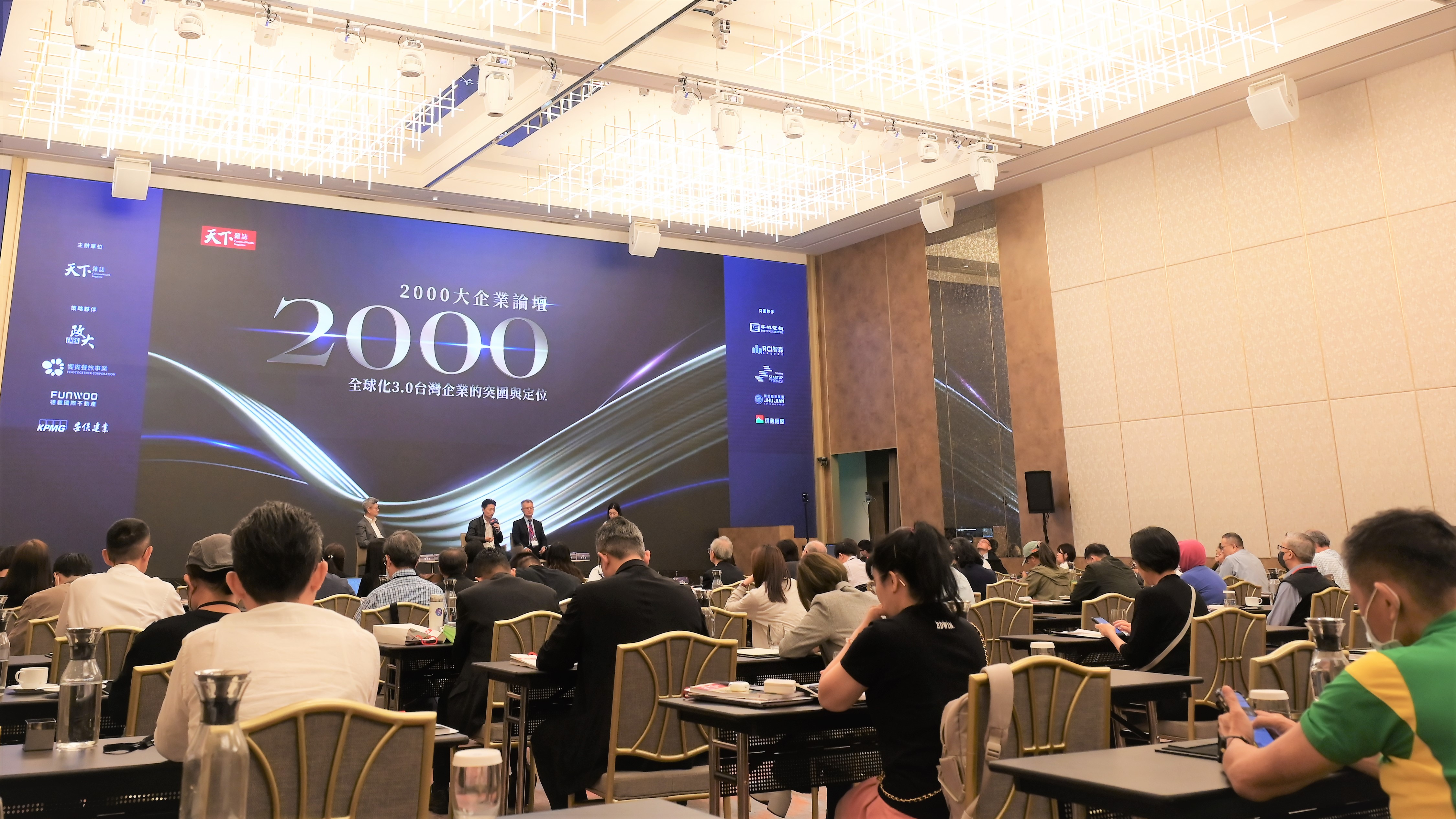
In a recent forum, CommonWealth Magazine senior reporter Lin Yi-hsuan noted that the key to surviving this "great filtration" is cultivating antifragility. Citing Nassim Nicholas Taleb, author of The Black Swan:
"Glass is 'fragile' because it breaks under stress; stone is 'resilient' because it resists damage; but muscle is 'antifragile' because it grows stronger through exercise."
Antifragility goes a step beyond resilience. It involves embracing randomness and uncertainty to achieve steady growth in the face of the unknown. The following three strategies were identified:
1. Creating Options (Diversification)
This involves multi-regional production and flexible revenue lines.
-
Example (Foxconn): Hon Hai (Foxconn) has invested in AI servers for a decade. Recently, they shifted from using subsidiary names to the unified "One Foxconn" brand. By integrating group resources and staying close to leading customers in R&D, they can scale up rapidly as soon as market demand hits.
2. The Barbell Strategy (Risk Balancing)
This pairs a stable core business with small, high-risk investments to increase the "hit rate" of innovation.
-
Example (MediaTek): MediaTek’s revenue grew 115.84% in five years. After breaking through with 5G chips, they continued betting on AI ASIC and multi-level R&D. While the core business secures cash flow, the other end of the "barbell" pursues high-risk, high-growth future curves.
3. Decentralized Governance (Agile Subsidiaries)
Many groups have moved away from centralized family decision-making toward professional management.
-
Example (WPG Holdings & Acer): Through decentralized management and high empowerment, these groups have spawned multiple listed companies that contribute to the parent group while remaining agile in a changing market.
The AI Dividend: "He Who Wins in AI, Wins the World"
The survey shows that groups capable of responding to "Black Swan" events and seizing generative AI opportunities have climbed the rankings:
-
Foxconn: Remains the leader with a 40% market share in AI servers; revenue jumped from NT$6 trillion to NT$7.39 trillion in five years.
-
TSMC: Revenue soared from NT$1.11 trillion to NT$2.97 trillion, overtaking Formosa Plastics to become the second-largest group.
-
Quanta, Wistron, Gigabyte, and WT Microelectronics: All saw significant jumps due to AI server and channel demand.
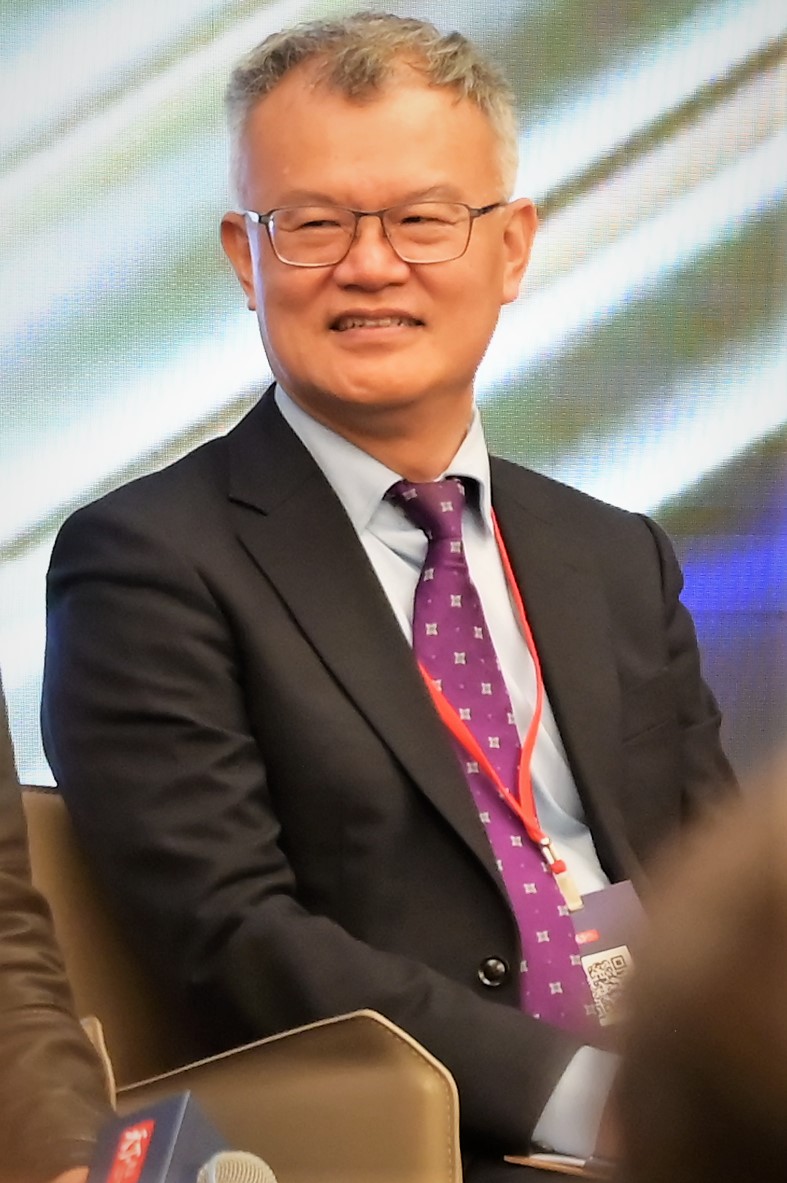 |
General Manager Chen-Fu Chien of Zhen Ding Tech highlighted their "One ZDT" strategy. As a leader in the PCB industry, Zhen Ding provides a "one-stop shop" for AI applications across cloud, pipe, and terminal sectors. By implementing "Smart Manufacturing" (digitization to intelligent real-time action), they have optimized efficiency across global production bases.
Machine Tools: Joining the "Protective Mountain Range"
A total of 23 machine tool and component companies made the Top 2000 list this year, including:
-
Hiwin Technologies, TPI Bearings, China Precision Diecasting, Chin Fong, Tongtai, Taichung Machine Tool, Yeong Chin (YCM), Goodway, Leadwell, SEYI, Takisawa Taiwan, Wele Mechatronic, Far East Machinery, Hiwin Mikrosystem, Litz Hitech, AWEA, Honor Seiki, Kafo, Walrus Pump, She Hong (Everrich), Gongin Precision, Kenturn Nano-Tec, and Fuyu.
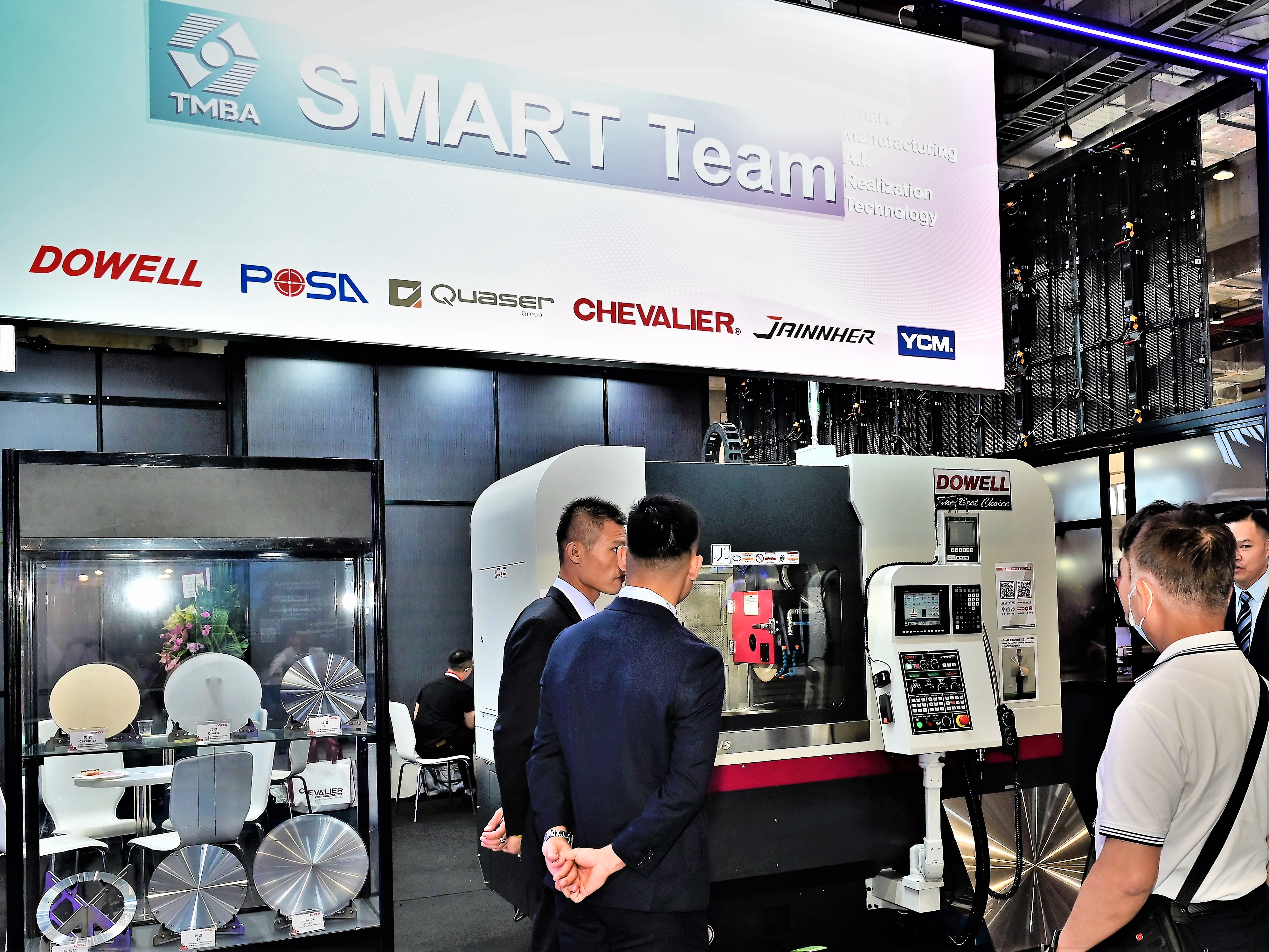
These players are aggressively entering the semiconductor industry. At SEMICON Taiwan 2024, the "TMBA SMART TEAM" (led by the Taiwan Machine Tool & Tooling Components Builders' Association) showcased localized production solutions to strengthen the supply chain's autonomy.
M&A and Strategic Alliances: Scaling Up to Survive
Faced with "Trump Tariffs" and currency fluctuations, many SMEs in the machine tool sector have struggled. In response, a wave of consolidation and equity investment has emerged:
-
Nidec & Takisawa: Takisawa Taiwan is leveraging its integration into the Japanese Nidec Group, adopting the "One Nidec" marketing concept to diversify risk.
-
Hiwin Group: Utilizing global subsidiaries for local assembly to reduce reliance on exports from Taiwan and mitigate exchange rate pressures.
-
Tongtai & Leadwell: These two firms co-exhibited at TIMTOS, targeting European defense and reconstruction markets. Tongtai also recently acquired a 10% stake in Yeong Chin (YCM) to integrate sales channels and technology.
-
HOTA Group: Following investments in Chin Fong and Kafo, HOTA recently took over Buffalo Machinery (Microcut). This allows for complementary product lines (5-axis and CNC lathes) and shared R&D/procurement.
Building a "Cross-Domain Ecosystem"
TMBA Chairman Patrick Chen emphasizes that because individual Taiwanese firms are often too small, industry integration is vital. TMBA has defined three ecosystem models for the industry:
Table: Machine Tool Industry Ecosystem Models
| Model Type | Description |
| Transaction Ecosystem | Platform-centric; providing high value-to-cost so that membership is indispensable for customers. |
| Solution Ecosystem | A core enterprise coordinates resources from multiple vendors to provide modular, customized services. |
| Value-Based Ecosystem | An "Invest + Incubate" approach where companies form a "team" to dominate markets like the global semiconductor supply chain. |
Future Outlook: TMTS 2026
The Taiwan International Machine Tool Show (TMTS) 2026 will return to Taichung with a focus on "AI-Powered, Sustainable Manufacturing." The goal is to present a complete industry ecosystem that breaks down barriers between hardware, software, and components. By shifting from selling individual machines to providing benefit-oriented solutions, Taiwan’s machine tool industry aims to prove its indispensable value in the global market.


