

Smart Manufacturing in Poland: The New Frontier for Taiwan’s Machine Tool Sector
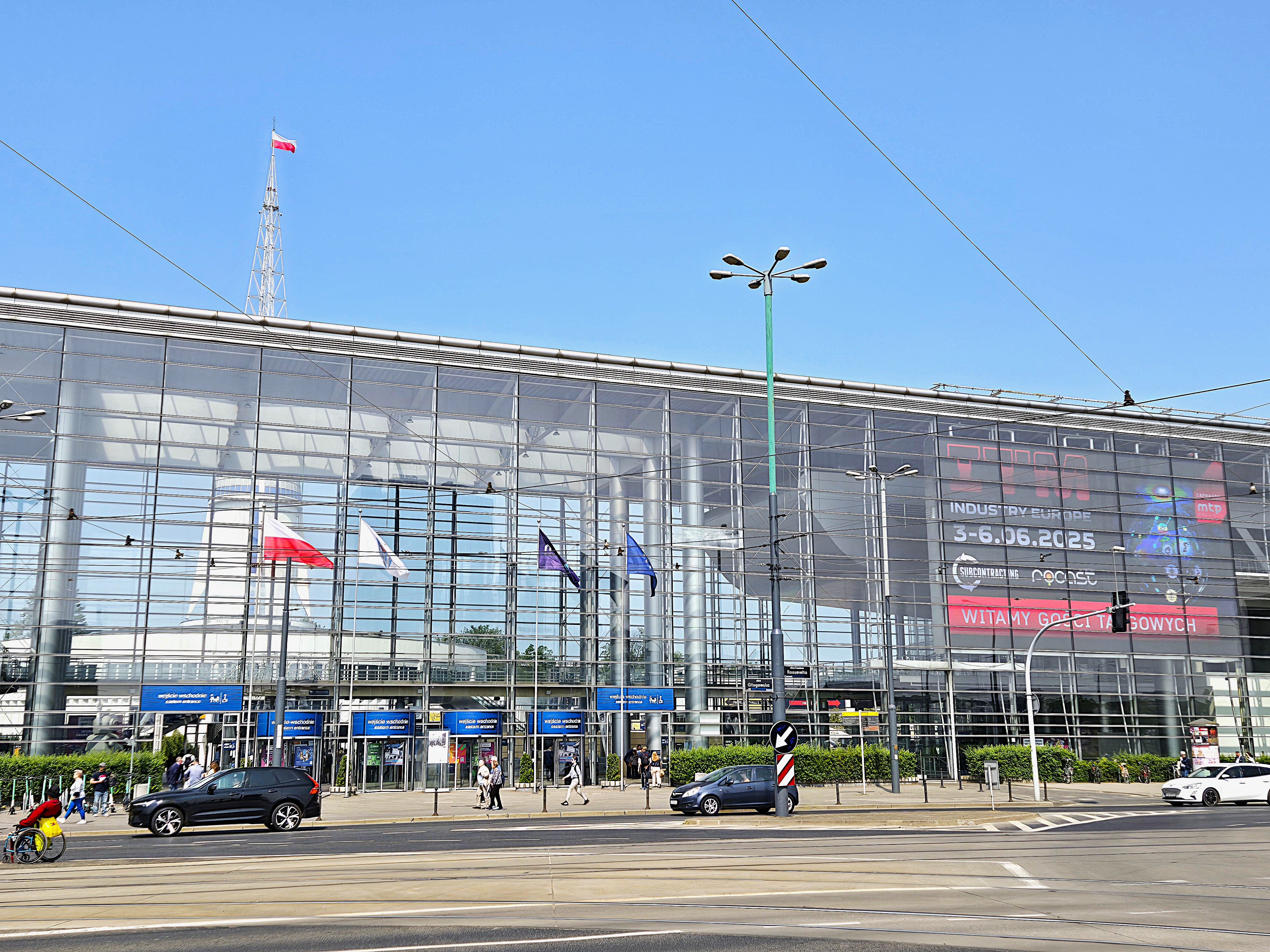
As the world enters the Industry 4.0 era, Poland is rapidly emerging as a pivotal hub for advanced manufacturing in Europe. Supported by the International Trade Administration (TITA) under the International Trade Promotion Program, the Taiwan Machine Tool & Accessory Builders’ Association (TMBA) participated in key international economic events, including ITM INDUSTRY EUROPE 2025 and the "Factory Women of the Future: Diversity and Competence" conference.
Through site visits to local industrial associations, TMBA has analyzed the urgent demand for smart machinery in Poland’s aerospace, defense, and automotive sectors, providing practical insights for Taiwanese manufacturers looking to expand into this market.
Poland’s Manufacturing Transformation and Industry 4.0 Foundation
Leveraging its strategic geographical location and proactive government support, Poland has become a key player in European manufacturing. Since 2020, the sector has accelerated its shift toward advanced technologies such as robotics, Artificial Intelligence (AI), the Internet of Things (IoT), and Additive Manufacturing. This wave of modernization has bolstered Poland’s global competitiveness, attracting significant foreign investment and creating high-value employment.
The Polish government and the EU are actively funding digital transformation and R&D through initiatives like the "Future Industry Platform." Although Poland ranked 24th in the EU-27 for digitalization in 2022—facing challenges such as high implementation costs, knowledge gaps, and labor shortages—its industrial automation market shows immense potential. It is projected to grow at a Compound Annual Growth Rate (CAGR) of 18% between 2023 and 2028.
 |
Smart Machinery Demand in Key Sectors
Poland’s manufacturing industry is at a critical upgrade juncture, driven by four major sectors:
-
Automotive: Accounting for 15% of manufacturing GDP, this sector leads in robot density. Major players like Volkswagen and Toyota are driving EV development, fueling demand for automation.
-
Aerospace: Focused on 3D printing and high-precision machining, the "Aviation Valley" maintains close ties with Airbus, creating a strong market for high-end equipment.
-
Defense: Modernization is accelerating. U.S.-based Raytheon is collaborating with Polish educational institutions to cultivate local talent, driving demand for high-quality machine tools.
-
Metalworking: While domestic demand is high, Poland produces only a few hundred CNC machine tools annually. This supply-demand gap presents a massive entry point for technically superior Taiwanese manufacturers.
Market Insights from ITM Industry Europe
While the scale of this year's ITM exhibition was smaller than in previous years, visitor engagement remained high, particularly in the International Pavilion (Hall 3). Key observations include:
-
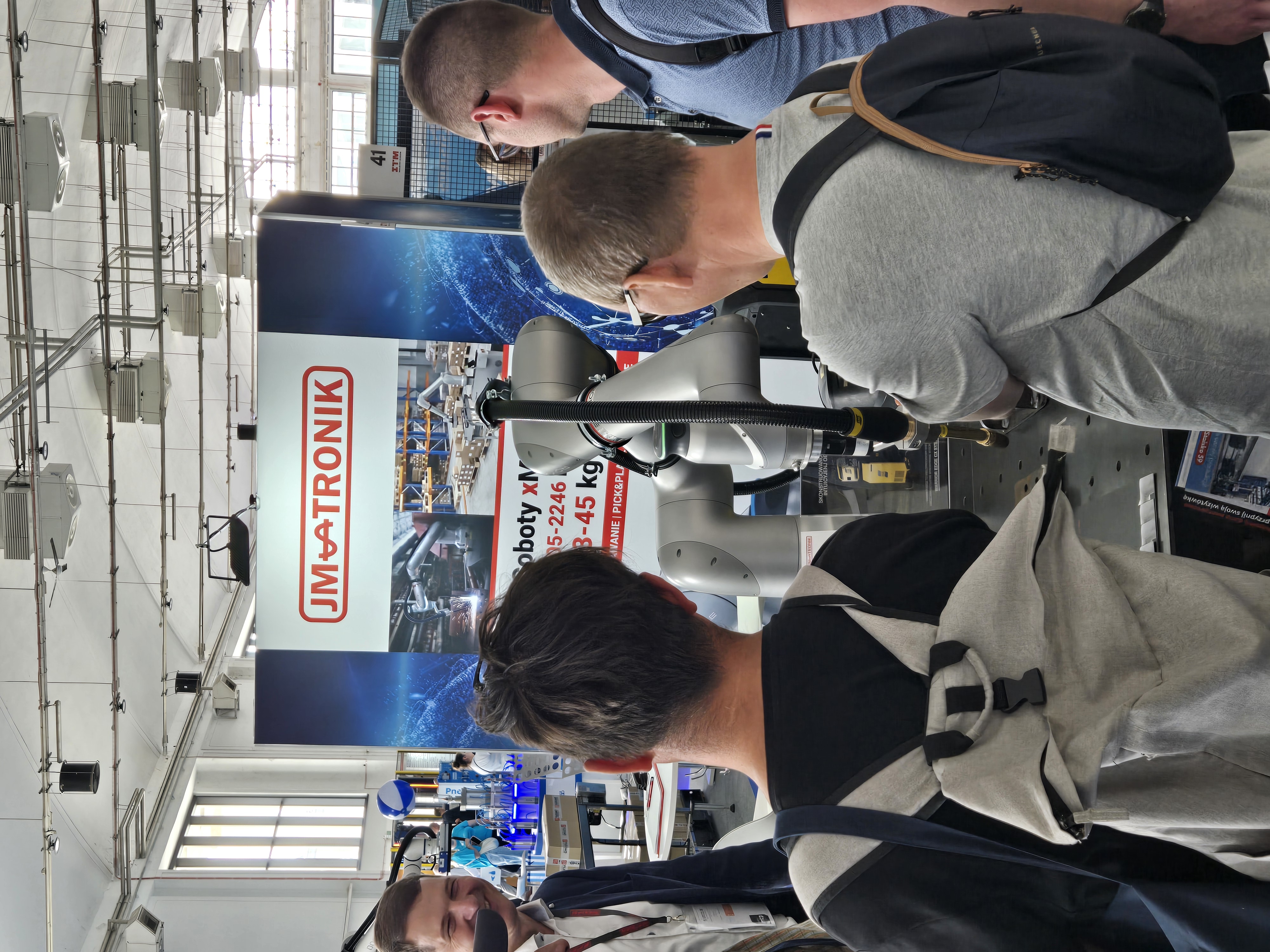
Ubiquitous Automation: Applications in laser processing, welding, and material handling were widespread, proving Poland has a solid foundation in smart manufacturing.
-
Robotics Replacing Manual Labor: Many traditional manual processes are being replaced by robotic arms. This reflects a commitment to efficiency and improved working environments, providing an excellent entry point for Taiwanese technical cooperation.
-
Language Strategy: Business communication in Poland is still predominantly conducted in the native language; English proficiency varies. Taiwanese firms must prioritize localization and language support in their marketing strategies.
 |
Diversity and the Future of the Workforce
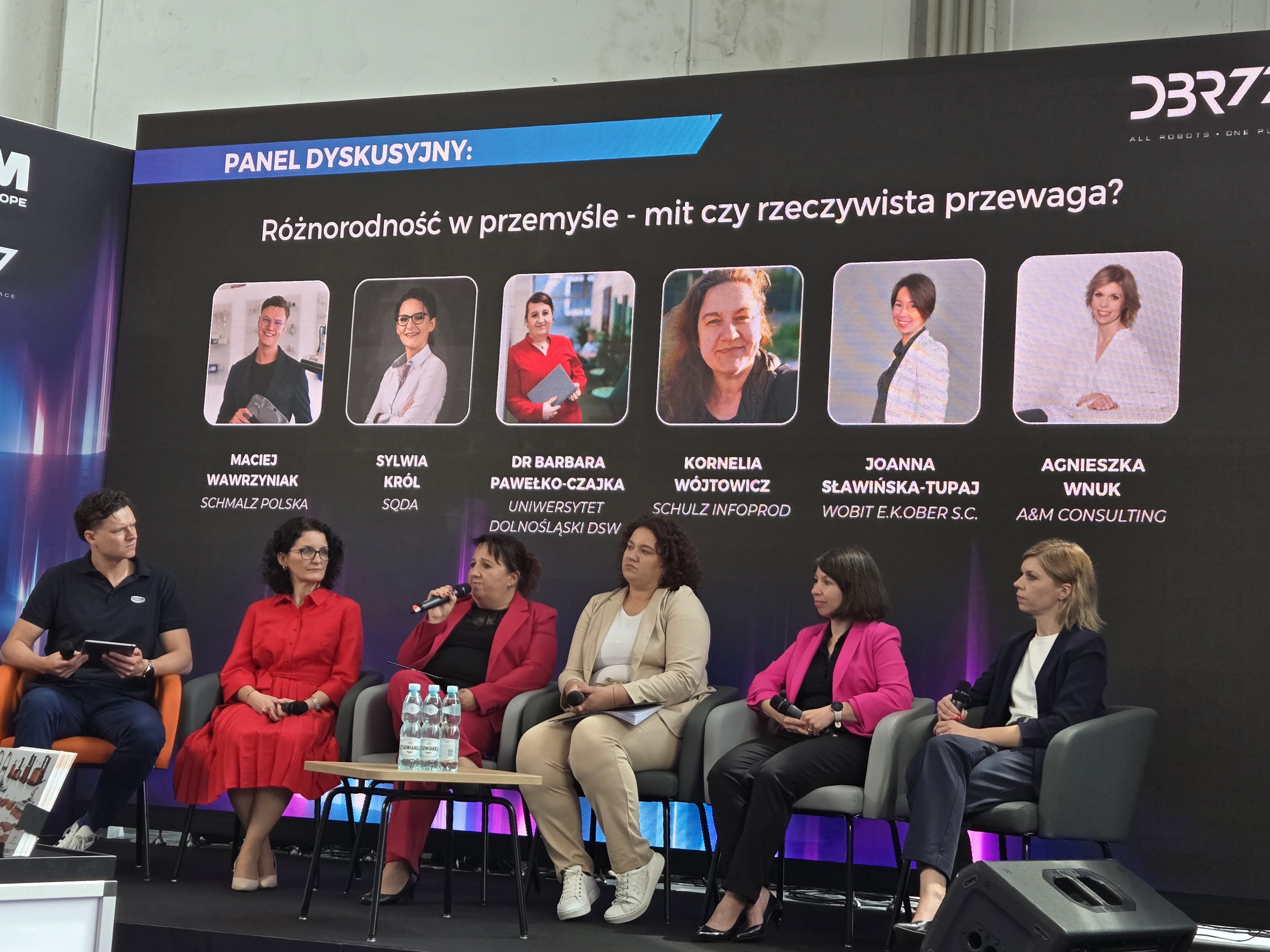
The "Factory Women of the Future" conference highlighted that smart manufacturing is not just about technology but also human-centric management. The discussions emphasized that women bring stability, innovative thinking, and high emotional intelligence (EQ)—traits that constitute a core competitive advantage. To attract youth and women to the sector, companies must adjust their cultures and institutional frameworks, which is essential for the sustainability of smart factories.
 |
Strategic Partnerships: The Lubuski Metal Cluster (LKM)
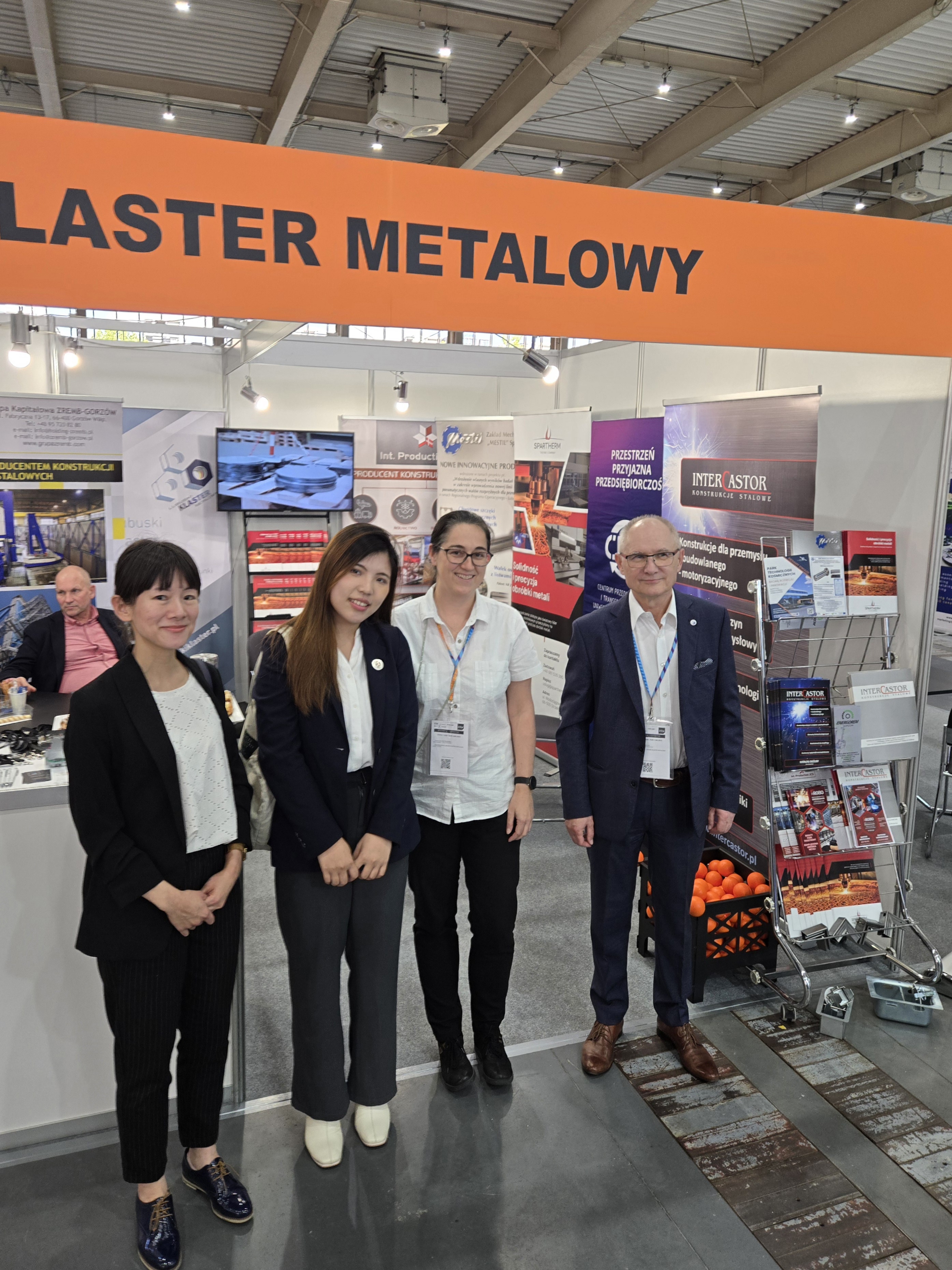
TMBA visited LKM (Lubuski Metal Cluster), a collaborative ecosystem in Western Poland that bridges industry, education, and public institutions. With approximately 80 members, LKM plays a vital role in:
-
Assisting companies in international trade and exhibitions.
-
Bridging the "skills gap" through vocational training and VR experience camps.
-
Participating in ViVA 4.0, a German-Polish dual vocational training program to encourage youth to join the manufacturing sector.
LKM noted that while domestic demand is strong, labor shortages remain the biggest hurdle. For Taiwanese SMEs, the takeaway is clear: success in Poland requires seeking platform partners like LKM for local networking rather than relying solely on trade show exposure.
 |
Conclusion: The Path Forward for Taiwan
For Taiwan’s machine tool and component manufacturers, Poland offers a wealth of opportunity. However, success requires more than just high-performance products; it demands:
-
High precision and smart customization.
-
Deep understanding of local dynamics and overcoming language barriers.
-
Strong partnerships with local clusters to provide real-time service and after-sales support.
This mission has laid the groundwork for deeper relationships between Taiwan and Poland. As Poland continues to embrace innovation and strives to become an advanced manufacturing center in Europe, the future for Taiwan’s smart machinery industry in this market is highly promising.


