

AI Enables Real-Time Global Service Across Time Zones and Languages at Smart Manufacturing Workshop
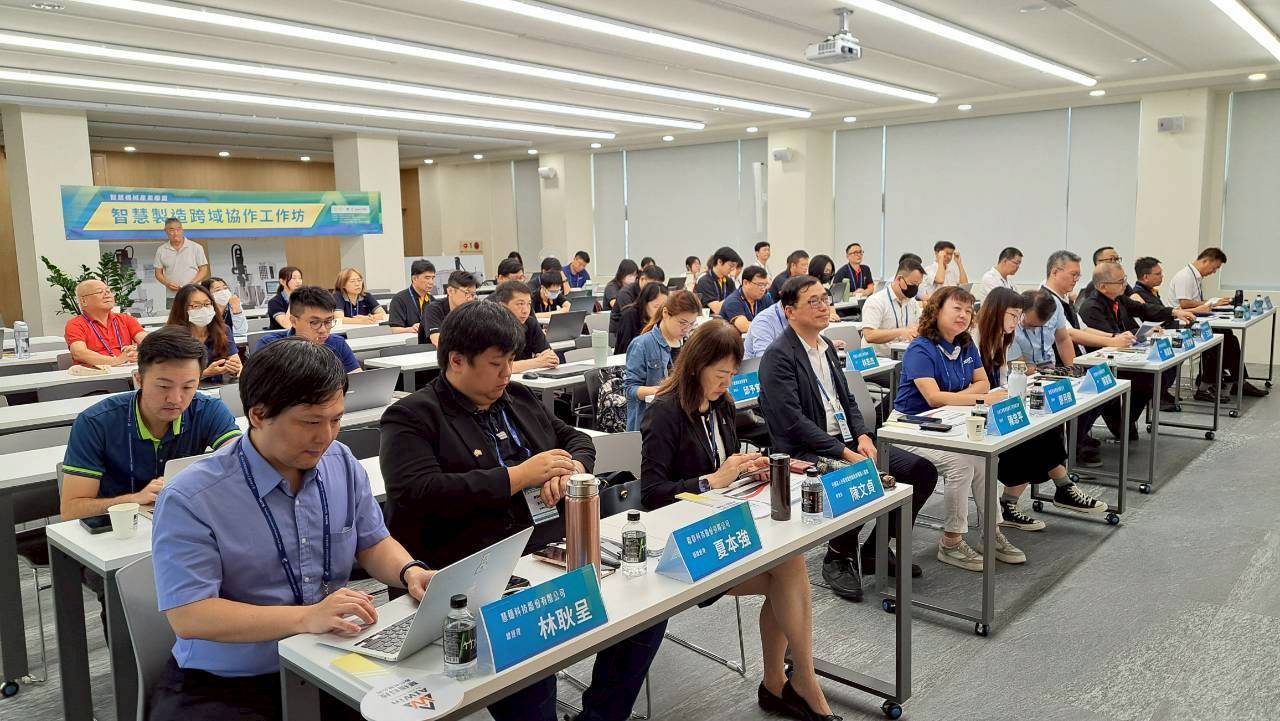
Amid rapid shifts in global markets, overseas expansion for the machine tool and manufacturing industries is no longer defined solely by competition in hardware specifications. Increasingly, success depends on the ability to provide real-time global after-sales service and ensure the continuous transfer of technical expertise. Organized by the Small and Medium Enterprise and Startup Administration, Ministry of Economic Affairs, and implemented by the National Association of Small and Medium Enterprises, R.O.C. and the Institute for Information Industry, with support from the Taiwan Machine Tool & Accessory Builders’ Association and other organizations, the Smart Manufacturing Cross-Industry Collaboration Workshop was held on July 14 at Ocean Biomedical in Caotun Township, Nantou County. Focusing on practical applications of AI in overseas after-sales service and intelligent assistants, the workshop explored how smart equipment can overcome language and time-zone barriers, transforming the hands-on knowledge of senior technicians into 24-hour digital expertise and injecting new momentum into industrial digital transformation.
 |
 |
 |
|
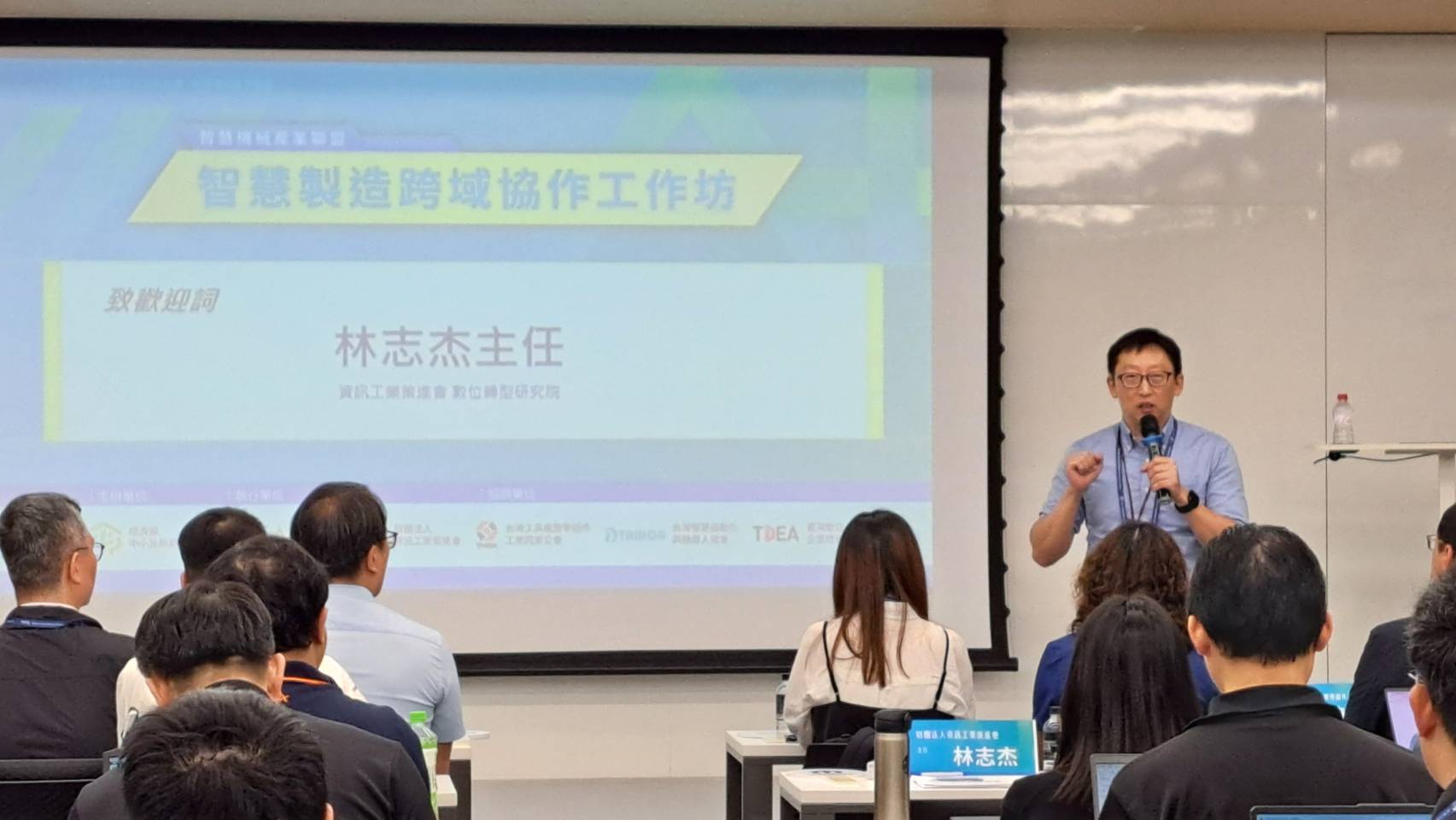
Dr. Chih-Chieh Lin, Director of the Green Manufacturing Technology Center at III’s Digital Transformation Research Institute |
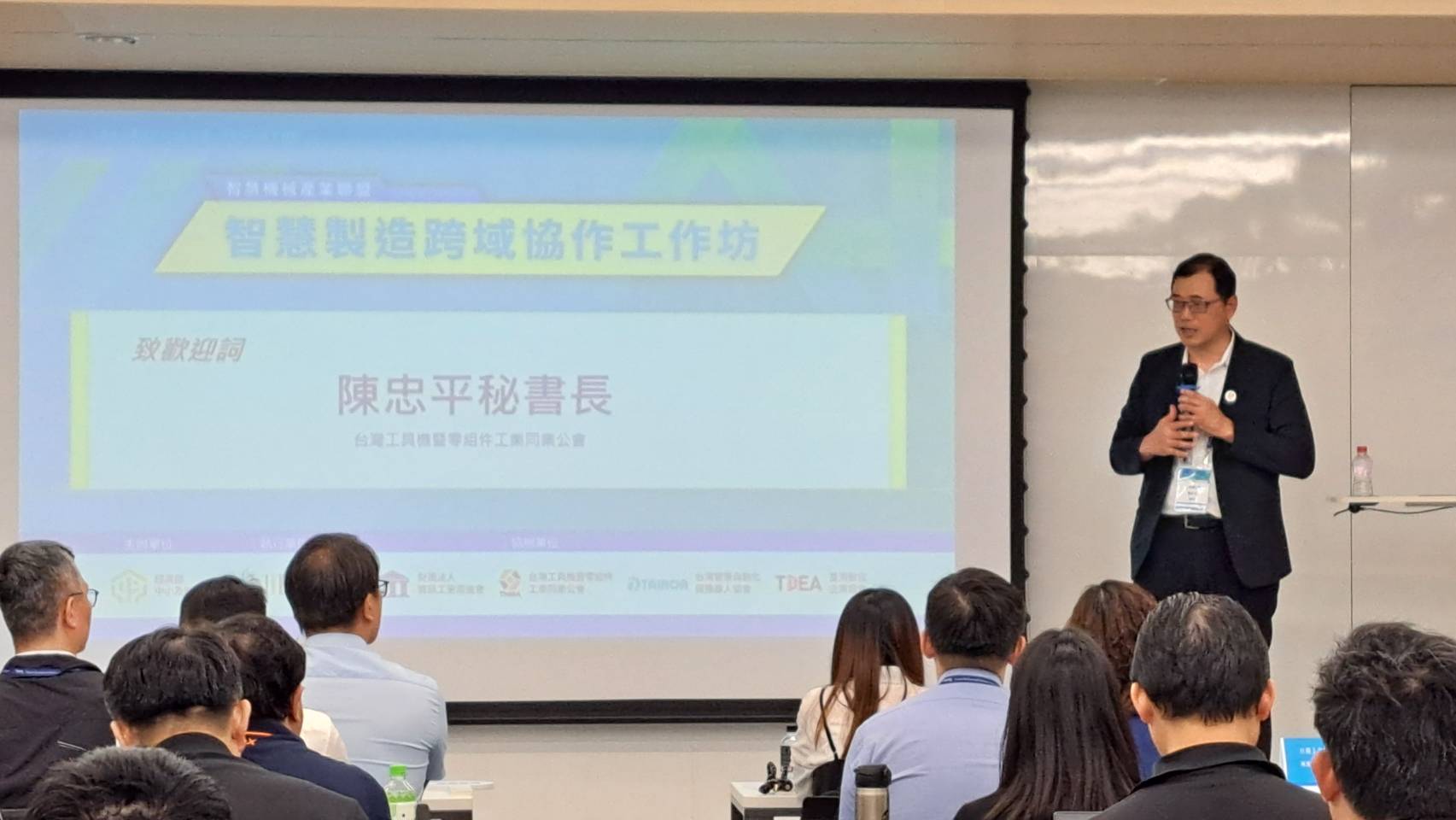
Daniel Chen, Secretary General of the Taiwan Machine Tool & Accessory Builders’ Association |
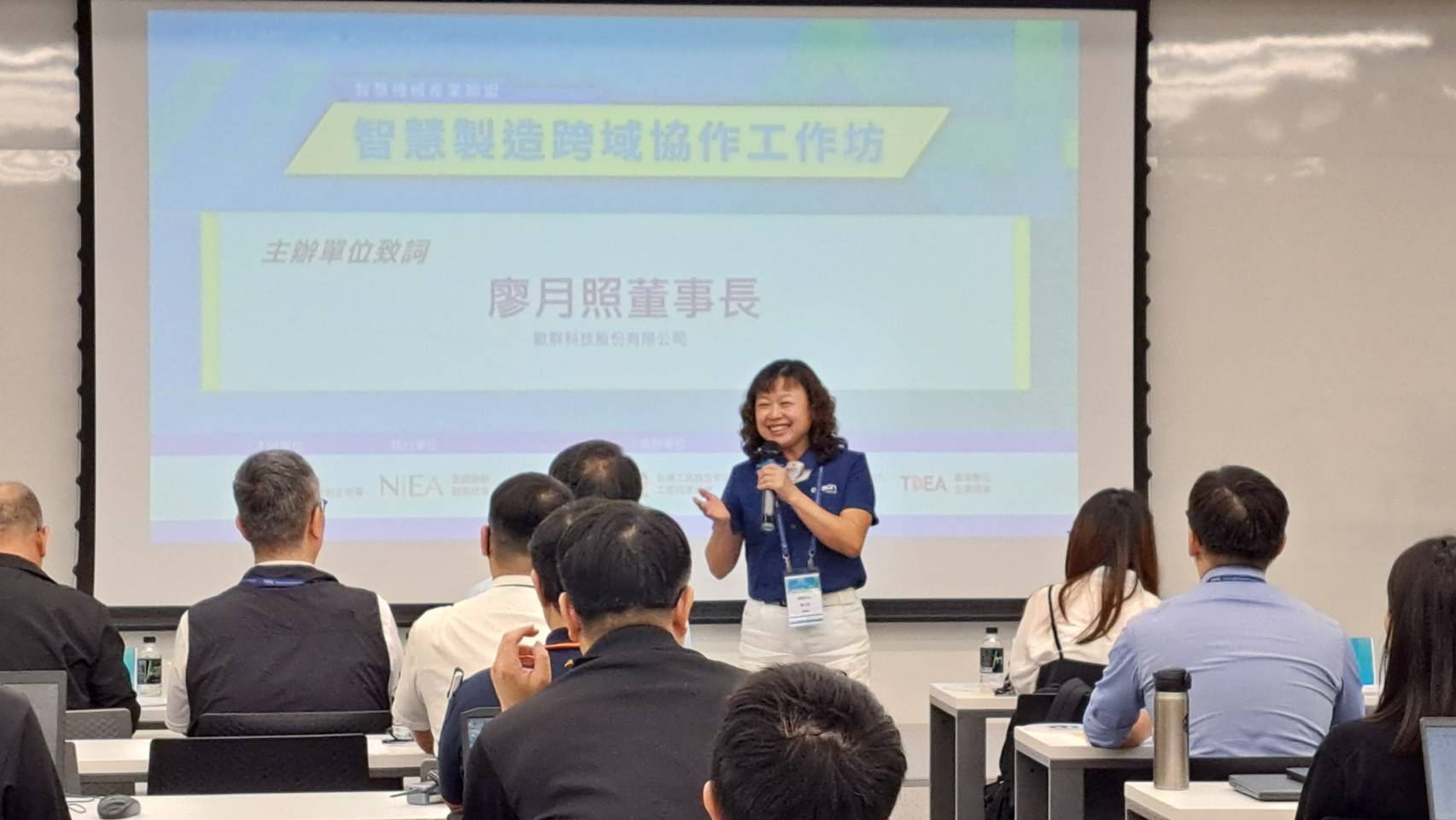
Sunny Liao, Chairperson of Ocean Biomedical Co., Ltd. |
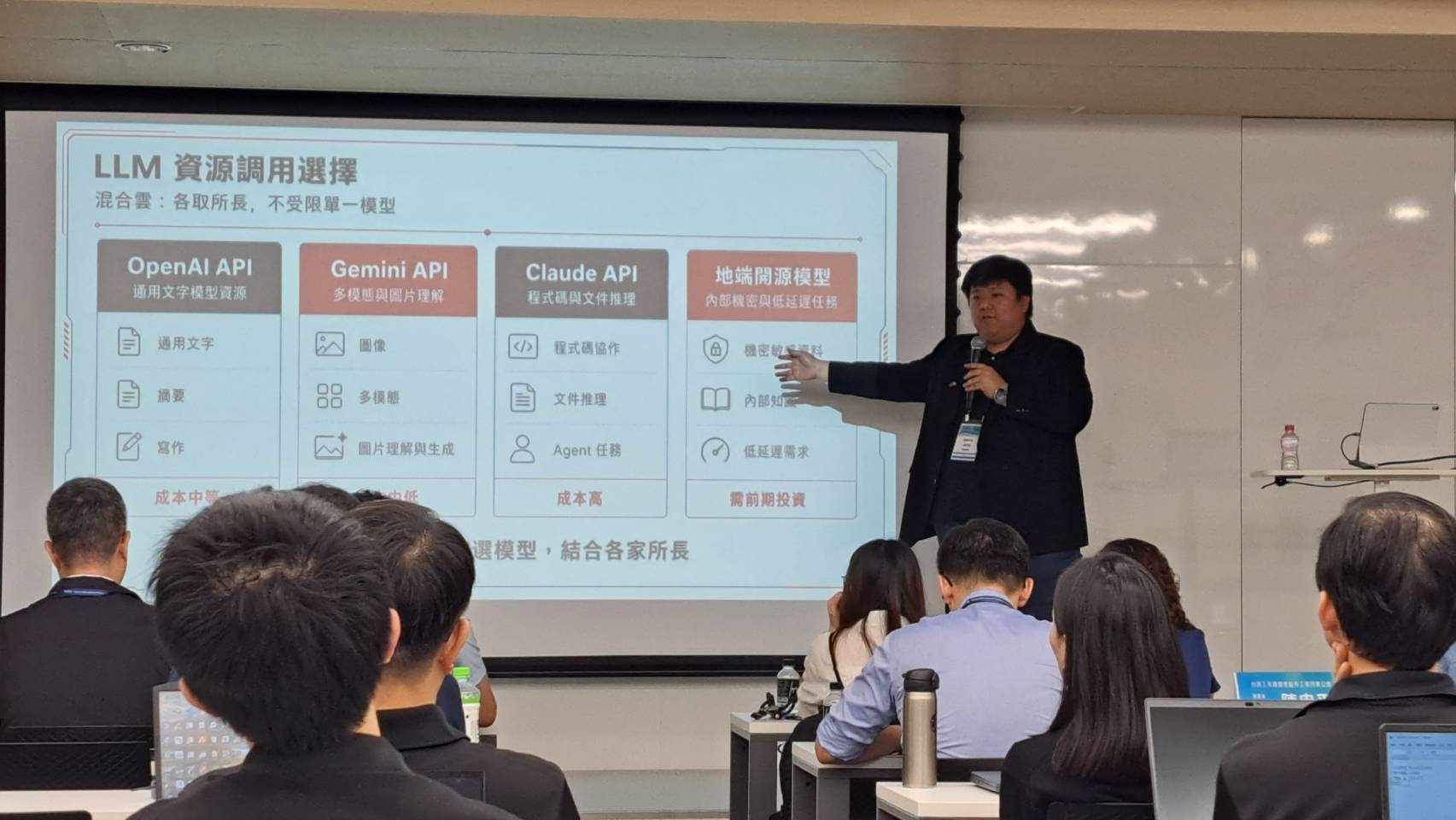
According to Ben Chiang, Deputy General Manager of Ocean Technologies, the company has chosen to integrate AI directly into its machine controllers in order to strengthen information security. When a user submits a question, the system first conducts a security check via the public cloud. A local knowledge base then performs a “card selection” process before the query is processed by a large language model, effectively reducing cloud-related cybersecurity risks. On the business model side, Ocean has introduced a buyout-based strategy that provides a full 30-day free trial, followed by paid access once the trial period ends. This approach helps customers build familiarity and usage stickiness during the early stage of adoption. In addition, with an internal team of only two people, Ocean has used an API-based architecture to develop its own intranet AI platform, covering after-sales expert inquiry, a precision translation assistant with image-text comparison, and a marketing image studio. These tools have supported the global marketing of the company’s precision electrical discharge machining equipment across 35 countries.
 |
From the perspective of data cleansing and model development, HUIWEN Technology General Manager Geng-Cheng Lin noted that when general operating manuals are fed directly into AI systems, machines can easily generate “hallucinations” due to the lack of precise labeling. Only by refining large volumes of data into structured “knowledge cards” can response accuracy be increased to more than 95%. In practice, HUIWEN uses multiple AI agents to initially process hundreds of megabytes of text and image data into thousands of cards within a single day. Department managers then spend two to three months fine-tuning and validating the content. With cost control in mind, the system can be optimized and operated entirely on a small local server costing around NT$200,000, supporting up to 10 concurrent users while avoiding high cloud computing expenses. It can also be deployed through a hybrid cloud-edge model aligned with corporate cybersecurity requirements, allowing flexible integration with complex industrial applications.
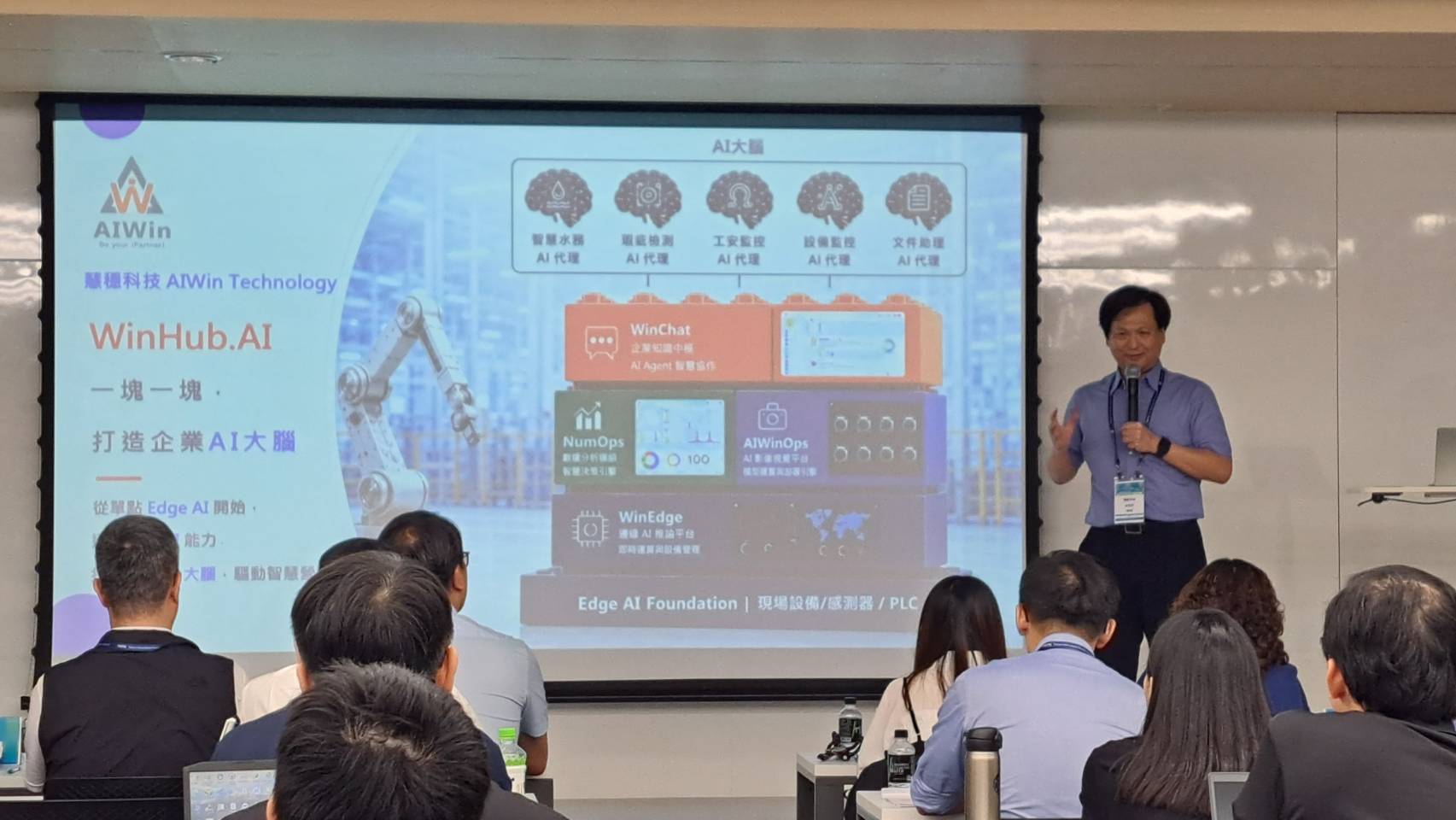 |
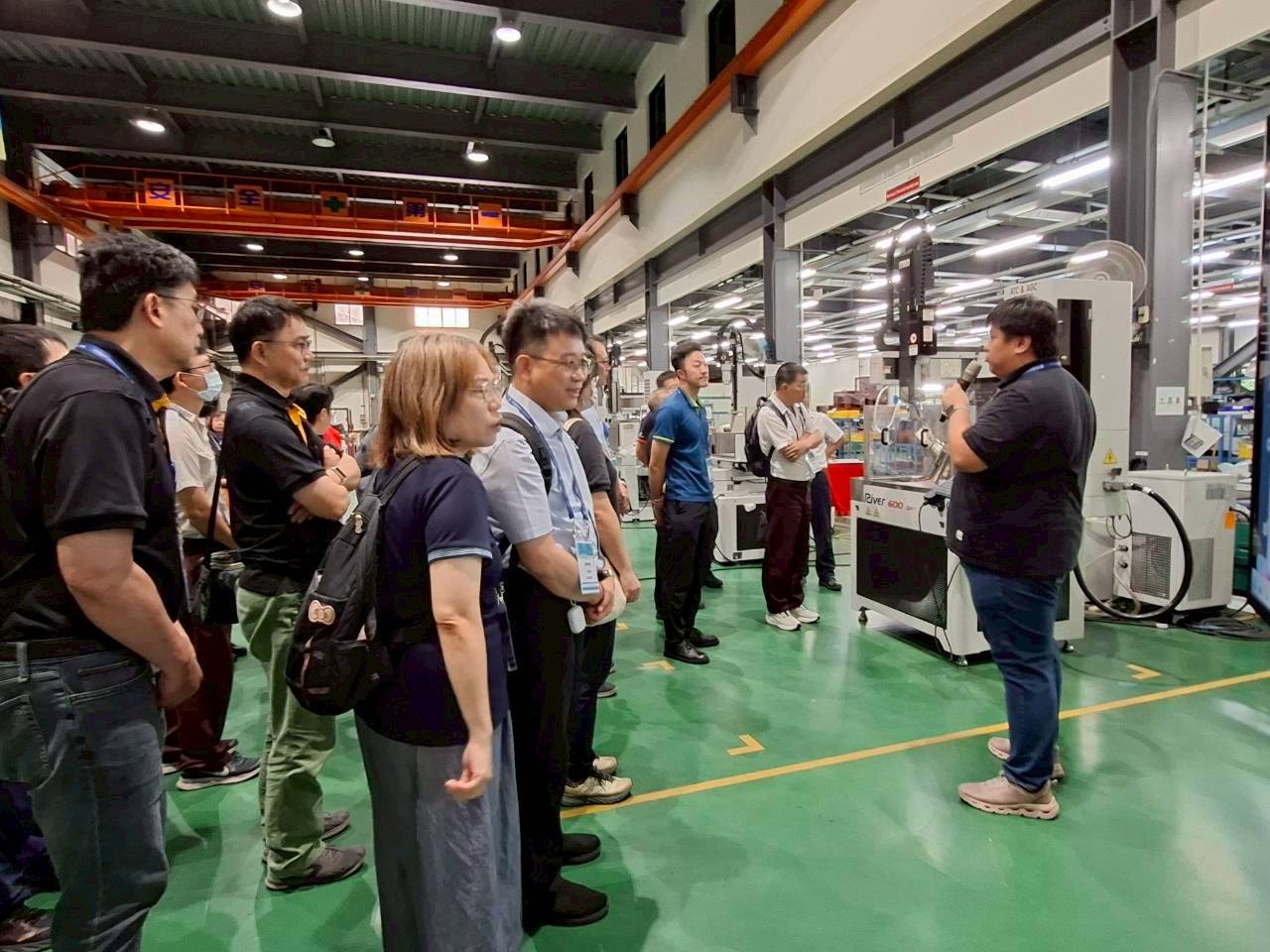
Beyond theoretical discussion and practical case sharing, the workshop also included a guided tour of Ocean’s factory, giving participants a first-hand look at the operational benefits of smart equipment. The dialogue between Ocean’s frontline international marketing experience and HUIWEN Technology’s core AI architecture not only outlined a concrete path for applying generative AI in Taiwan’s smart machinery industry, but also reshaped conventional ideas about after-sales service. Looking ahead, Taiwan’s machine tool supply chain will need to embrace intelligent services that combine real-time responsiveness with the preservation and transfer of expertise. Only then can it maintain its leading position in the global market and continue to open new chapters in smart manufacturing amid intensifying competition.
 |
 |


