

New Workplace Bullying Prevention Rules Put Corporate Compliance and Management Practices in Focus
As new workplace bullying prevention provisions under Taiwan’s Occupational Safety and Health Act are set to take effect on July 1, 2026, companies will be required to establish clear mechanisms for prevention, complaints, investigations, and follow-up actions. To help member companies better understand the latest regulatory developments and practical implications, the Taiwan Machine Tool & Accessory Builders’ Association (TMBA) held a seminar on “Workplace Bullying Prevention Regulations and the Boundary of Reasonable Management for Supervisors” on June 23. The session featured attorney Pu Ruo-chi from Ye Xin Law Firm, who is also listed in the Ministry of Labor’s professional talent database for workplace bullying investigations. Through regulatory analysis and practical case sharing, the seminar helped companies prepare for the new requirements while strengthening their internal systems and management capabilities.
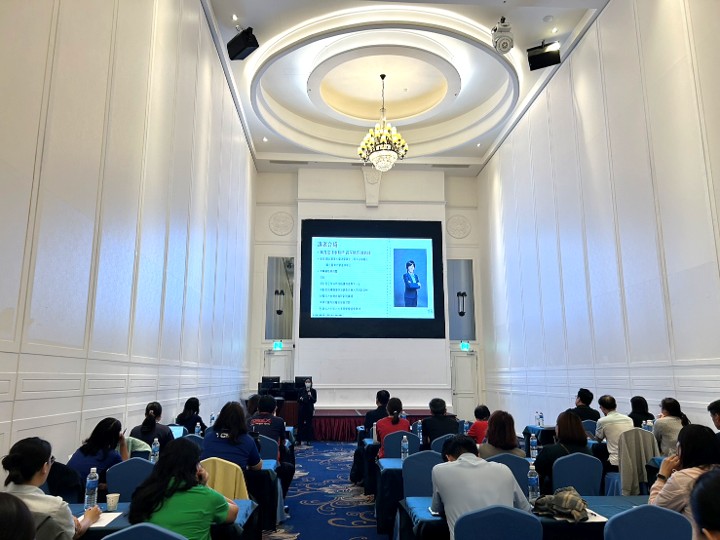 |
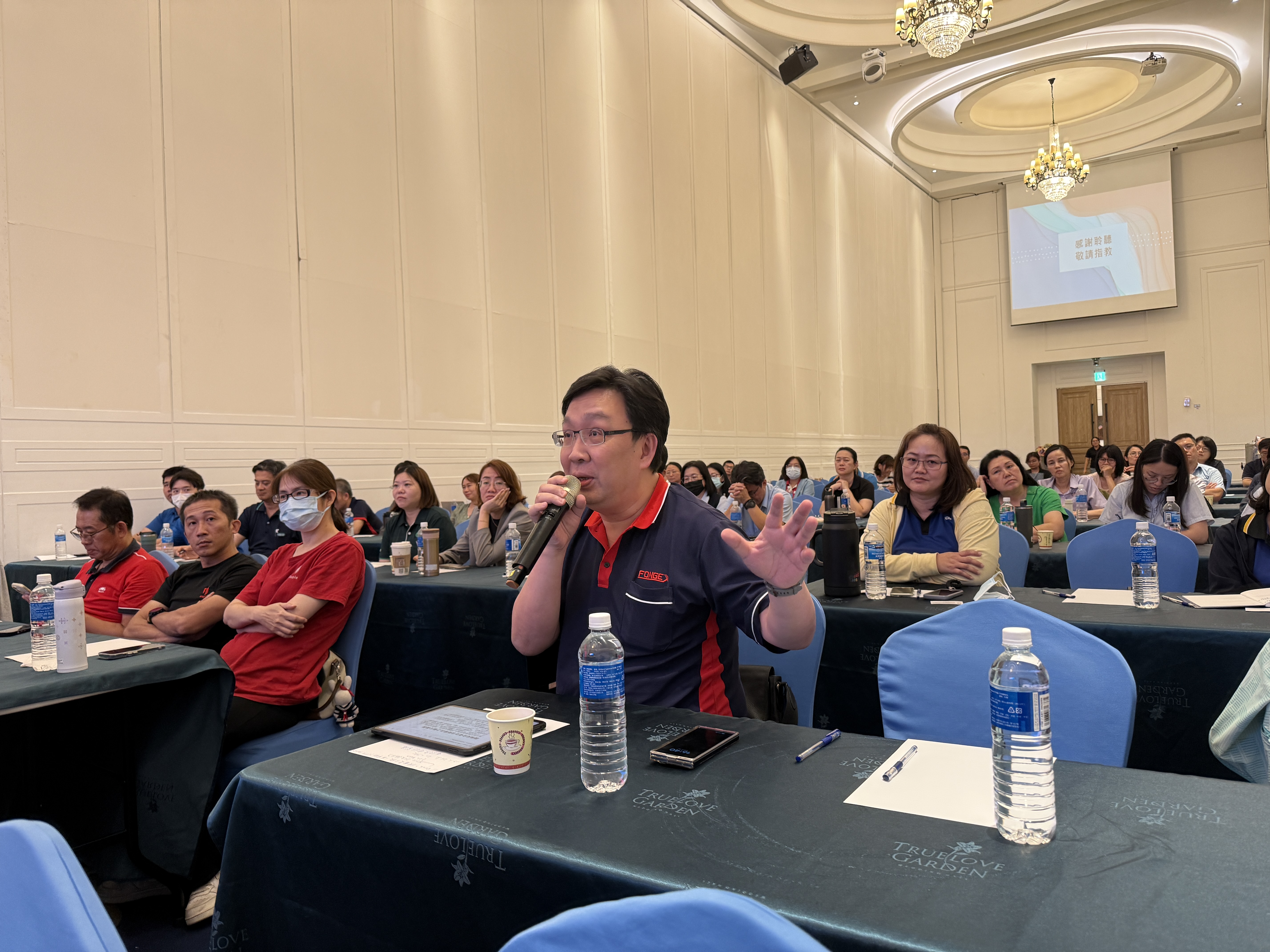
The program covered key topics such as the principles for identifying workplace bullying, employer responsibilities, internal complaint and investigation procedures, and the distinction between reasonable management and workplace bullying. Through real-world case studies, participants examined common dispute scenarios and practical corporate responses, gaining a clearer understanding of the importance of system development and risk management from both legal compliance and day-to-day management perspectives. During the discussion, member companies raised many questions on the scope of the new law, criteria for determining workplace bullying, investigation procedures, and the design of internal mechanisms, reflecting the industry’s strong interest in the implementation of the new regulations and their practical impact on corporate management.
Participant data showed that supervisors made up 54.5% of attendees. Together with human resources (HR) and occupational safety and health personnel, these groups accounted for 90.8% of all participants, indicating that those involved in institutional planning and management decision-making are paying close attention to workplace bullying prevention and the responsibilities introduced by the new law. Post-course survey results also reflected strong approval, with an overall satisfaction score of 4.70 out of 5 and 97.7% of participants giving the course a rating of 4 or above. The speaker received a particularly high score of 4.77, suggesting that the course content was closely aligned with corporate needs and effectively addressed members’ concerns about the new workplace bullying prevention framework.
 |
To support companies in staying informed, TMBA also shared the “Workplace Bullying Prevention Section” established by the Occupational Safety and Health Administration under the Ministry of Labor after the seminar. The section provides regulations and guidance manuals, promotional materials, frequently asked questions, a professional talent database for workplace bullying investigations, and related resource links. These materials offer useful references for companies as they develop prevention mechanisms and organize employee training.
As the new workplace bullying prevention framework comes into force, demand for regulatory updates and practical guidance is expected to continue rising among companies. TMBA noted that it will continue to serve as a bridge between the industry and the government by helping members stay informed of the latest policy directions, sharing relevant government guidance measures and learning resources in a timely manner, and supporting member companies as they adapt to regulatory changes and work toward building healthier and more supportive workplace environments.


