

JIMTOF 2026: When Technology Takes Flight
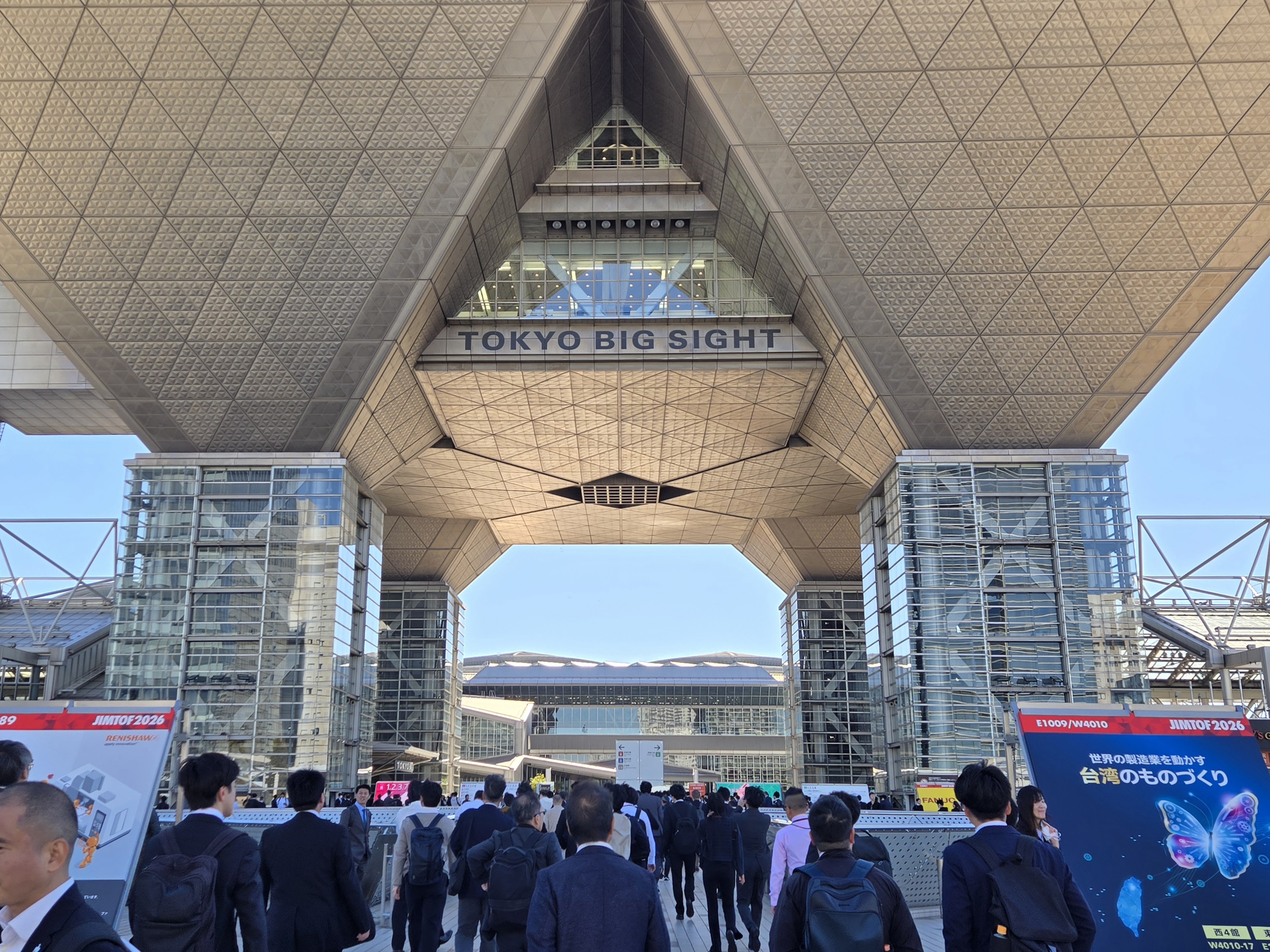
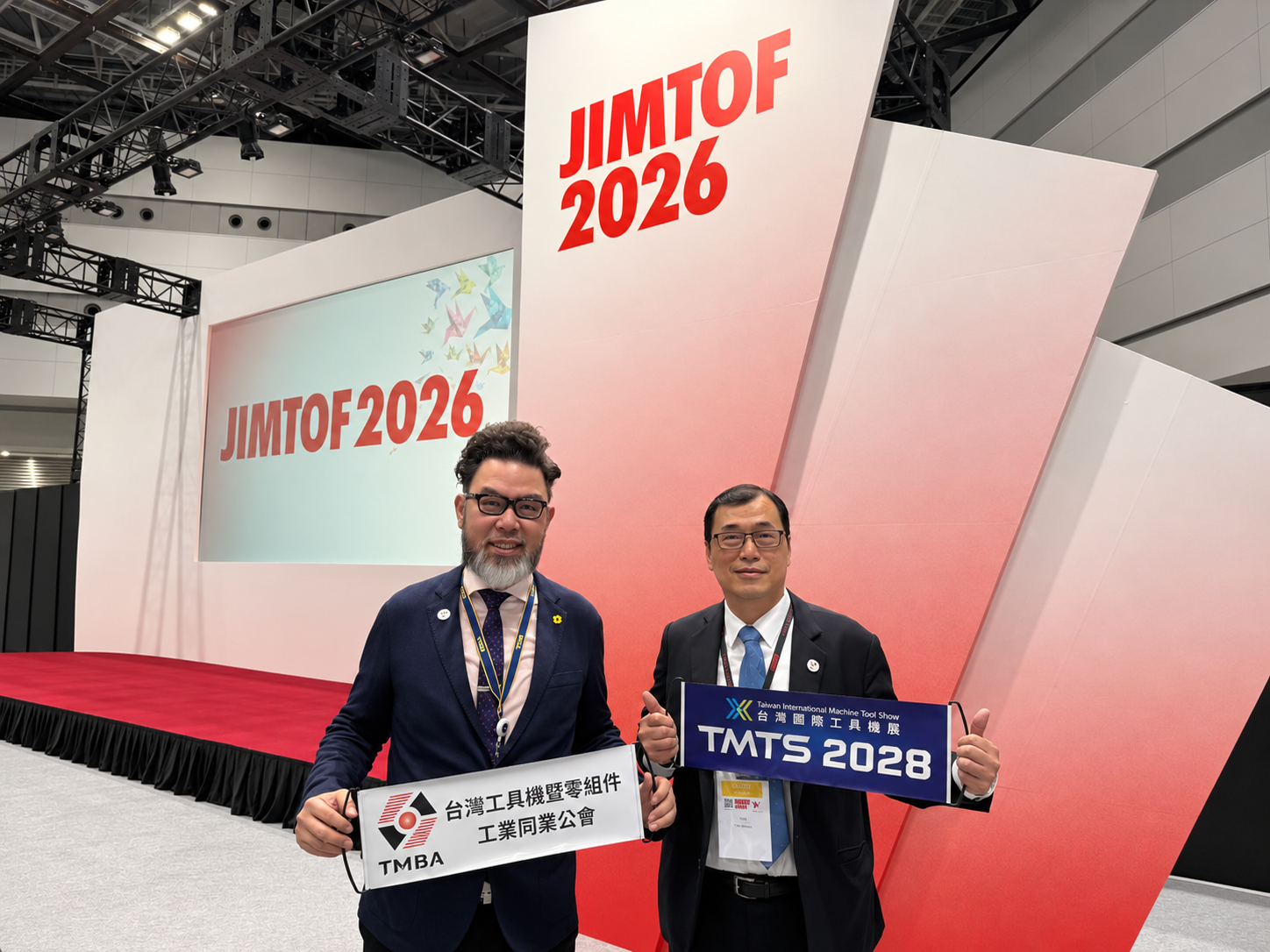
The 33rd Japan International Machine Tool Fair (JIMTOF 2026) was held at Tokyo Big Sight from October 26 to 31. First staged in 1962 and held every two years, JIMTOF has a history of more than 60 years. It is one of the most representative machine tool exhibitions in Asia and a key platform for the global manufacturing industry to see the latest machine tools and manufacturing technologies. Japan's machine tool industry is known for its precision, quality and innovation, so every edition of JIMTOF draws manufacturers, professional buyers and industry figures from around the world.
 |
Exhibition Overview
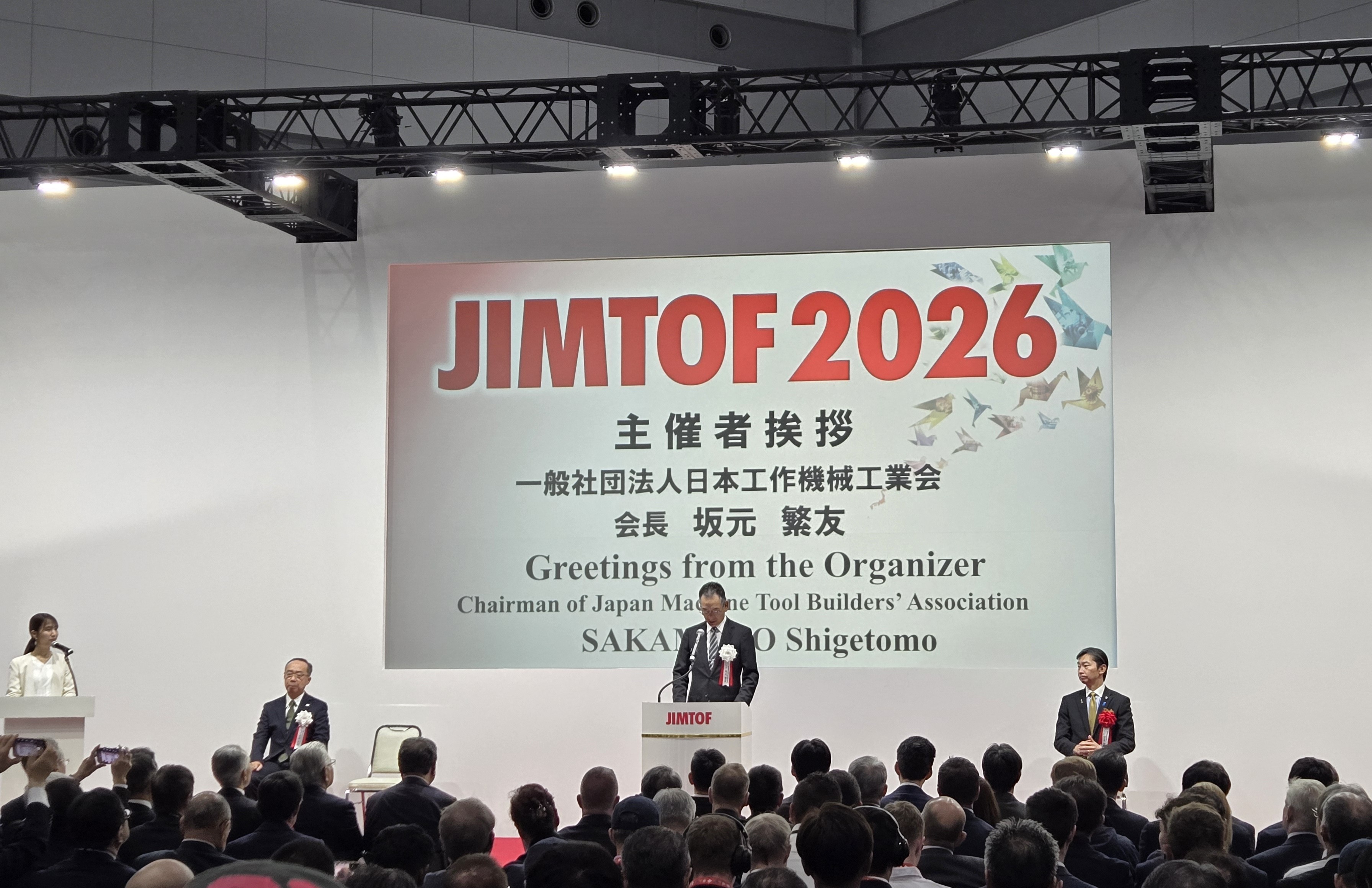
JIMTOF is jointly organized by the Japan Machine Tool Builders' Association (JMTBA) and Tokyo Big Sight Inc. The show ran for six days, from October 26 to 31. Unlike in previous years, the 2026 edition ran from Monday to Saturday, adding more weekday business hours to better suit corporate visits and negotiations.
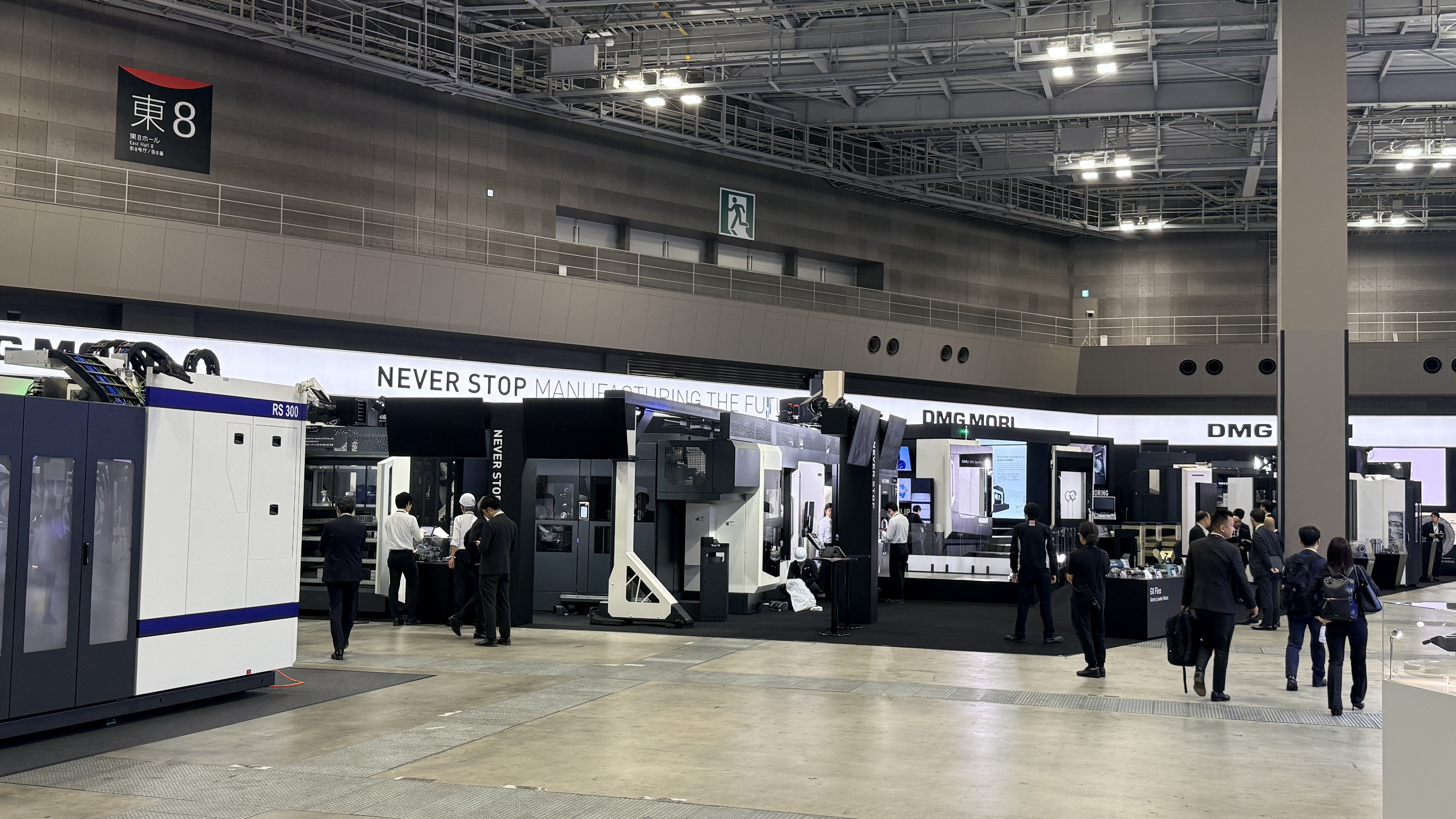
JIMTOF 2026 featured 1,134 companies and organizations from 22 countries and regions, occupying 4,422 booths. Exhibits included metal cutting and forming machine tools, machine tool components, cutting tools, grinding tools, gears, hydraulic and pneumatic equipment, precision measuring equipment, controllers and CAD/CAM software, showcasing the entire machine tool supply chain, from complete machines and components to software and manufacturing technologies.
Over the six days, the show drew 115,103 visitors, including 9,413 from overseas; counting daily admissions, attendance reached 145,932 visits. From what we observed on site, the main halls stayed busy throughout. Leading machine tool and component brands showed their latest products through live machining demonstrations, automation equipment and integrated solutions, indicating that the industry remains highly interested in new manufacturing technologies and equipment investment.
 |
Exhibition Highlights
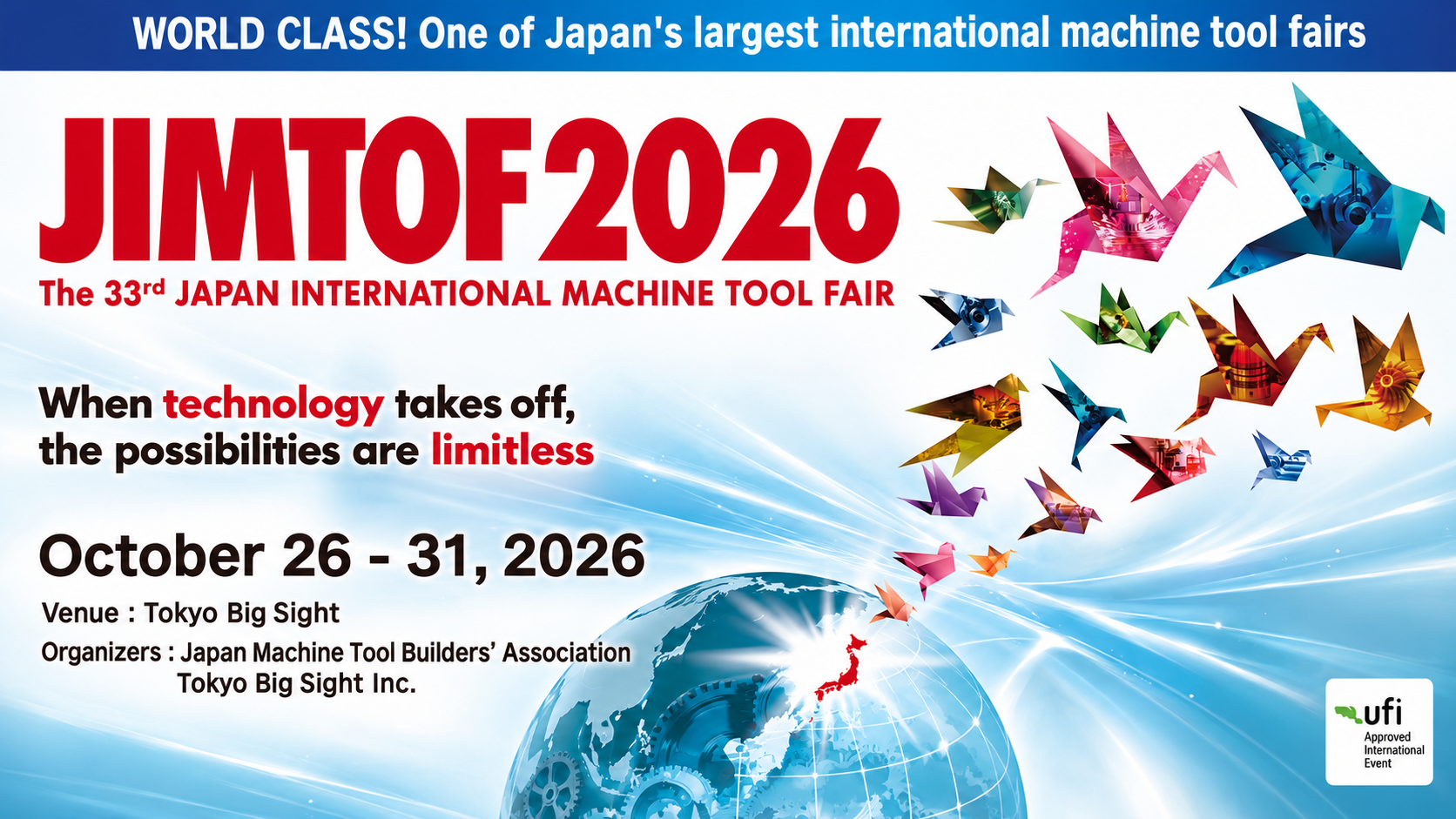
The theme of JIMTOF 2026 was "果てなき高度へ 羽ばたく技術" in Japanese, and "When technology takes off, the possibilities are limitless" in English. The key visual featured origami birds, including paper cranes, symbolizing cutting-edge manufacturing technology and the spirit of passing it on to the next generation. The colorful flock represents the different industries related to machine tools, and depicts the manufacturing sector as a whole spreading its wings toward the world and the future through JIMTOF. The organizers also hoped to convey that the advanced machine tool technologies gathered at JIMTOF will keep reaching new heights and connect to a broader future.
Whereas the 2024 theme, "Technology Ties," stood for the passing on of technology and links across the industry, the 2026 theme of "taking off" expresses technological breakthroughs and the industry's outward expansion. It also echoes the many new technologies on show this year, including AI, automation, robotics, additive manufacturing (AM) and smart production, illustrating how the machine tool industry keeps seeking new growth opportunities in a rapidly changing global manufacturing environment.
 |
Highlight 1. Robots and Machine Tools Are Integrating Faster
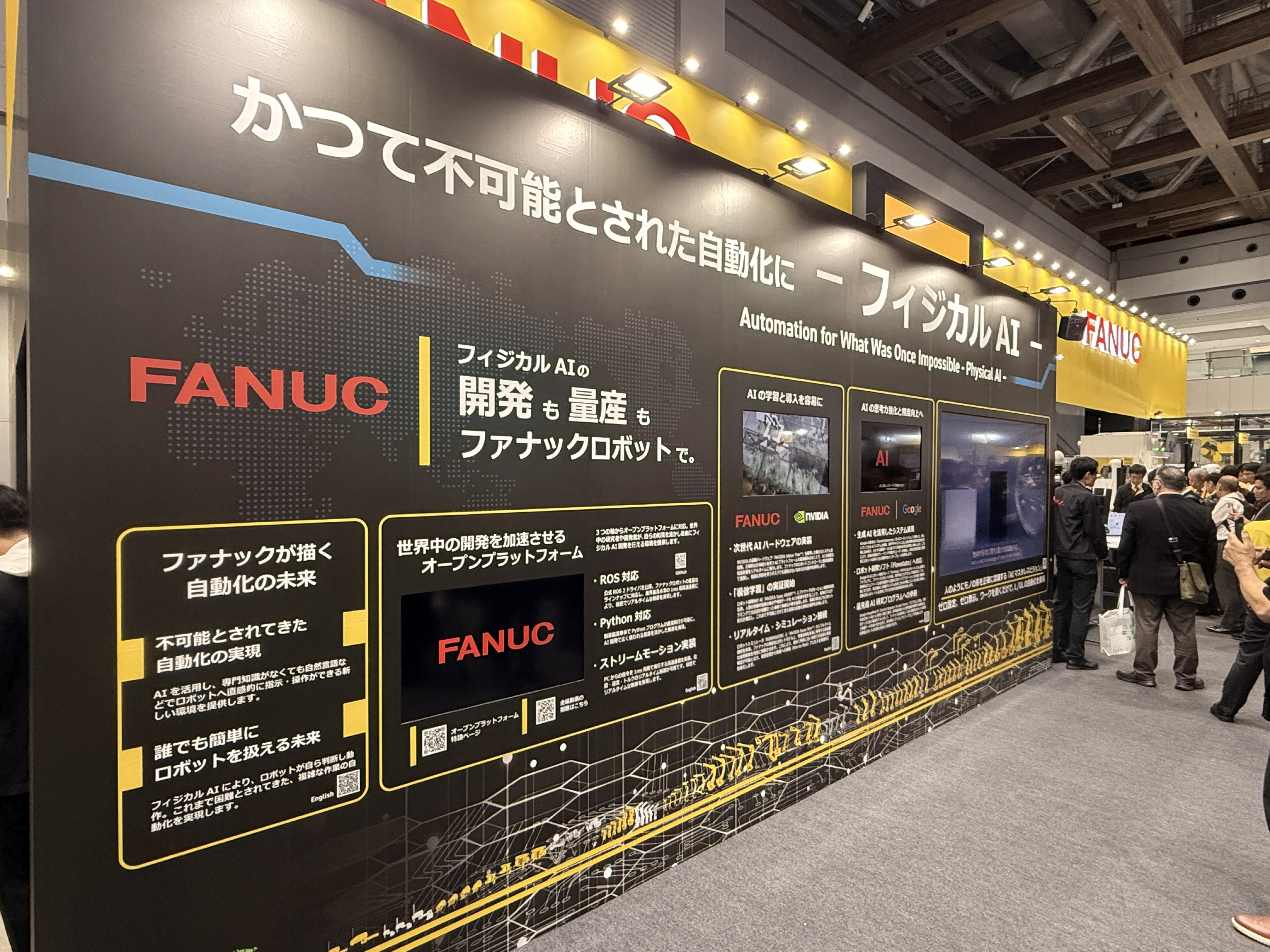
Automation and robotics remained one of the most visible directions at the show. Beyond the familiar loading, unloading and handling applications, more robots were integrated with machine tools, production processes and smart systems. Automation is no longer limited to a single task but is gradually extending across the entire manufacturing process.
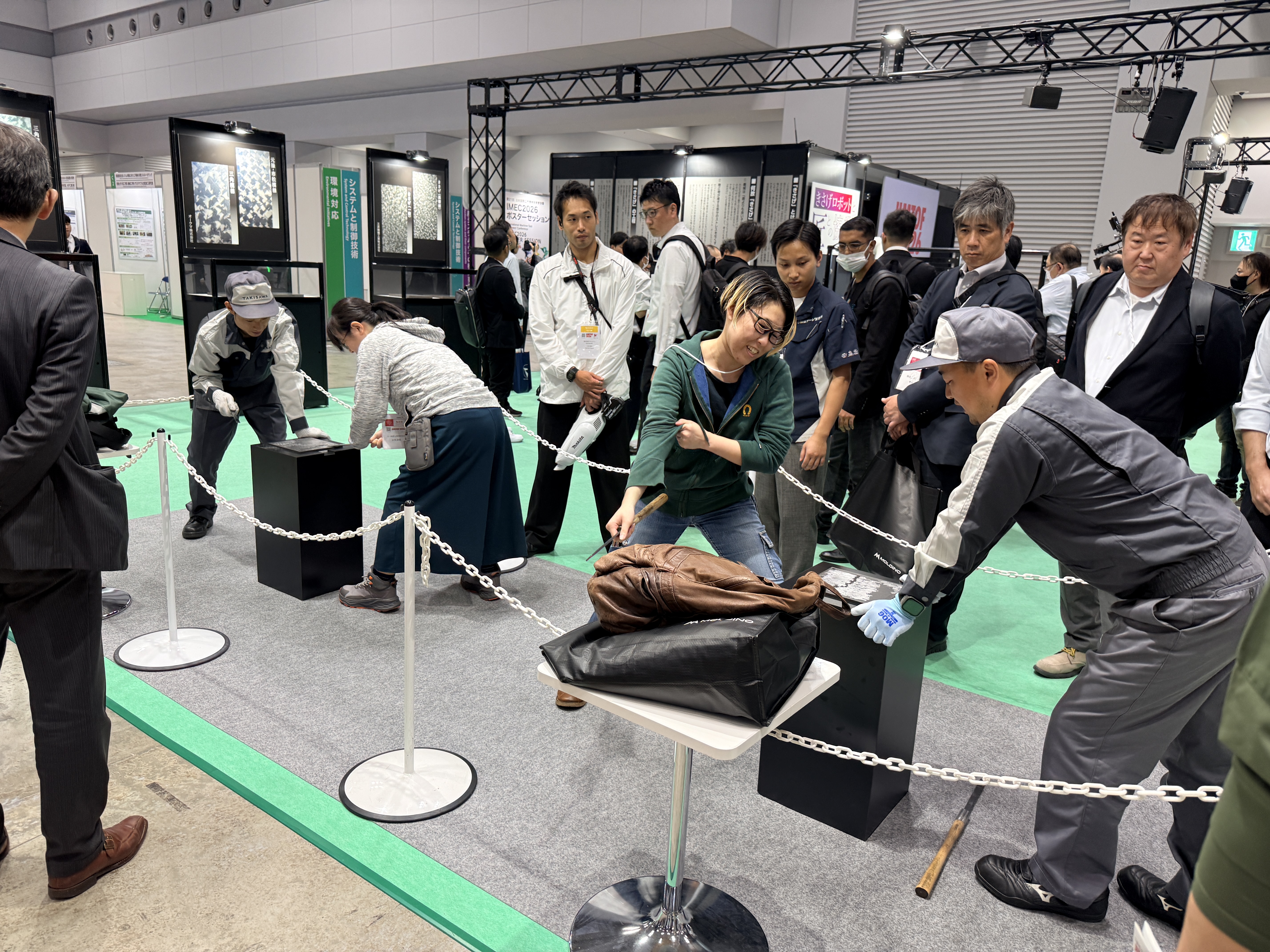
One display featured a robot and a skilled technician working together on "kisage" (hand scraping), showing how traditional manufacturing skills can be combined with automation. For Japanese manufacturers facing labor shortages and an aging skilled workforce, an important question is how to use automation to raise productivity while preserving and passing on the know-how accumulated on the shop floor.
The trends on the show floor suggest that future competition among machine tools will focus not only on the performance of individual machines, but also on how well they integrate with robots, automation and digital systems, helping users reduce labor requirements and improve production flexibility.
 |
Highlight 2. Additive Manufacturing (AM) Keeps Expanding Its Applications
Continuing JIMTOF's emphasis on additive manufacturing, this edition again featured a dedicated zone where Japanese and overseas exhibitors presented the latest equipment, materials and applications.
Whereas early 3D printing was used mainly for prototypes and samples, additive manufacturing has increasingly moved toward actual parts production in recent years, with applications in molds and dies, aerospace, medical devices and other high-end manufacturing. That JIMTOF has set up AM zones for several editions in a row also shows that the technology is becoming an important manufacturing method alongside conventional machining.
This edition also included exchange programs linked to Formnext, the international additive manufacturing trade fair, strengthening technical exchange between Japanese manufacturers and the global AM industry. For the machine tool industry, how conventional machining and additive manufacturing will complement each other is a development worth watching.
Highlight 3. AI, Automation and Unmanned Operation Continue to Deepen
AI applications in the machine tool industry continue to grow, but compared with the past, this edition placed greater emphasis on how to actually put them to work on the production floor. Applications such as machining status monitoring, equipment management, tool management, automatic loading and unloading, and robot integration are all aimed at reducing manual operation, raising machine utilization and extending unattended running time. In high-mix, low-volume production in particular, enabling machines to quickly adapt to different workpieces and production needs has become a key direction for automation systems.
As a result, the "smart manufacturing" seen at this show is no longer just about digitizing information, but about gradually linking equipment, production processes and management systems together. For manufacturers struggling with labor shortages, such technologies have become an important consideration when evaluating equipment investments.
 |
 |
Highlight 4. Smart Manufacturing and Green Transformation Advance Together
Beyond higher productivity, energy saving and sustainability continued to draw attention at this edition. Many exhibitors built energy-saving design, energy monitoring and efficiency improvements into their new products and smart manufacturing solutions.
For manufacturers, cutting energy consumption and improving equipment efficiency are in fact two sides of the same coin. Shorter machining times, higher equipment utilization, or consolidating work that once required several processes onto a single machine can reduce energy, labor and production costs all at once. Digital transformation (DX), automation and green transformation (GX) are therefore converging. Companies are no longer simply trying to "work faster"; they want to "work more efficiently" with limited resources, which was one of the key industry directions on display at JIMTOF this year.
Highlight 5. Talent Development and Skills Transfer
Beyond cutting-edge equipment and manufacturing technologies, JIMTOF 2026 continued to invest in developing manufacturing talent. This year's student support programs included the "Manufacturing Experience Corner," where students could try manufacturing and machining hands-on, as well as technical high school exhibits and student exchange events that helped young people learn about careers in manufacturing. The organizers also arranged for students to meet engineers and HR staff from participating companies, in the hope of introducing more young people to the industry.
Japanese manufacturing is currently facing both an aging population and the challenge of passing on skills. JIMTOF is therefore not only an equipment show but is increasingly a platform linking the industry with the next generation of talent. Through hands-on experiences and exchange activities, students can gain a more direct understanding of manufacturing technologies and the industry's development, which also reflects Japan's emphasis on nurturing the next generation.
Conclusion
The theme of this year's JIMTOF, "When technology takes off, the possibilities are limitless," aptly reflects the changes now under way in the machine tool industry. As the industry moves from traditional precision machining toward AI, automation, additive manufacturing and smart production, technology keeps evolving, and competition has widened from individual machines to overall manufacturing capability and service efficiency. JIMTOF 2026's comprehensive showcase makes clear that global manufacturing is heading toward a smarter, more flexible and more efficient next stage.
 |


