

Launching Taichung’s Net-Zero New Economy – TMBA Chairman Attends [High-Level Dialogue]
In response to the global wave of net-zero transformation, Commercial Times and China Times jointly hosted the “Taichung Net-Zero New Economy Summit” on April 25. Taichung Mayor Lu Hsiu-Yen stated that during her tenure, the city has completed the signing of the Climate Emergency Declaration, the 2021 Taichung Voluntary Review Report, and the 2022 Declaration of Taichung’s 2050 Net-Zero Carbon Roadmap—a three-step net-zero strategy. She emphasized working with businesses to explore Taichung’s sustainable development and future low-carbon lifestyle, striving toward 2050 net-zero sustainability.
The city government follows the principle of “public sector first, private sector later; large entities first, small ones later,” publishing voluntary review reports, conducting carbon inventories and audits, and proposing six major policy goals: adopting clean energy, driving industrial innovation, promoting sustainable communities and towns, achieving circular economy through consumption and production, and implementing climate actions for energy conservation and carbon reduction. Measures include full electrification of buses and official vehicles and reducing greenhouse gas emissions by 30% by 2030.
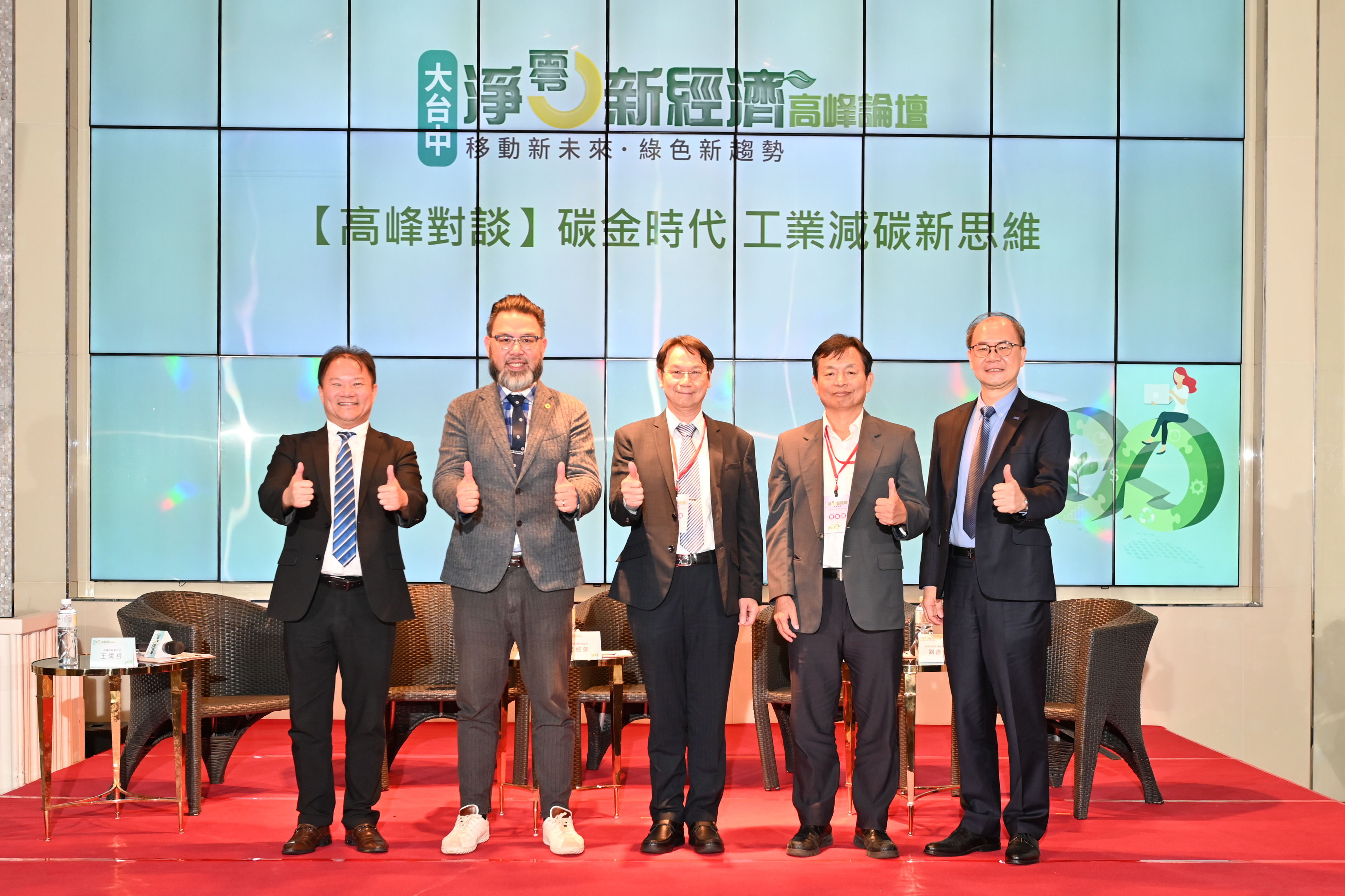
Deputy Mayor Cheng Chao-Hsin delivered a keynote speech titled “Smart Taichung: A Leap Toward a Low-Carbon City” and joined the high-level dialogue “Low-Carbon Livable Taichung: Entering a New Net-Zero Era” with Lee Chia-Yi, Vice President of Marketing at Sime Darby Kia Taiwan; Liu De-An, Managing Director of Taiwan Carbon Asset; and Wu Chun-Shan, Chairman of Lien Ming Construction, to share insights on related topics.
Cheng further noted that the three-step sustainable net-zero policy focuses on reducing greenhouse gases, increasing green spaces and river restoration, and promoting green transportation, aiming to achieve the United Nations’ 17 ESG sustainability goals. Development objectives span economic, social, and environmental dimensions—creating a socially friendly and livable environment and ensuring ecological resilience. Through cross-departmental collaboration and meetings, the city revised sustainability goals and set carbon reduction pathways, moving toward version 2.0 of its self-assessment plan. This includes 45 new measures, ongoing reviews to meet 148 indicators and 145 projects. The backbone of Taichung’s sustainable economy is the “Golden Corridor,” which will integrate with the convention and exhibition center to develop an exhibition-based business model and attract international buyers.
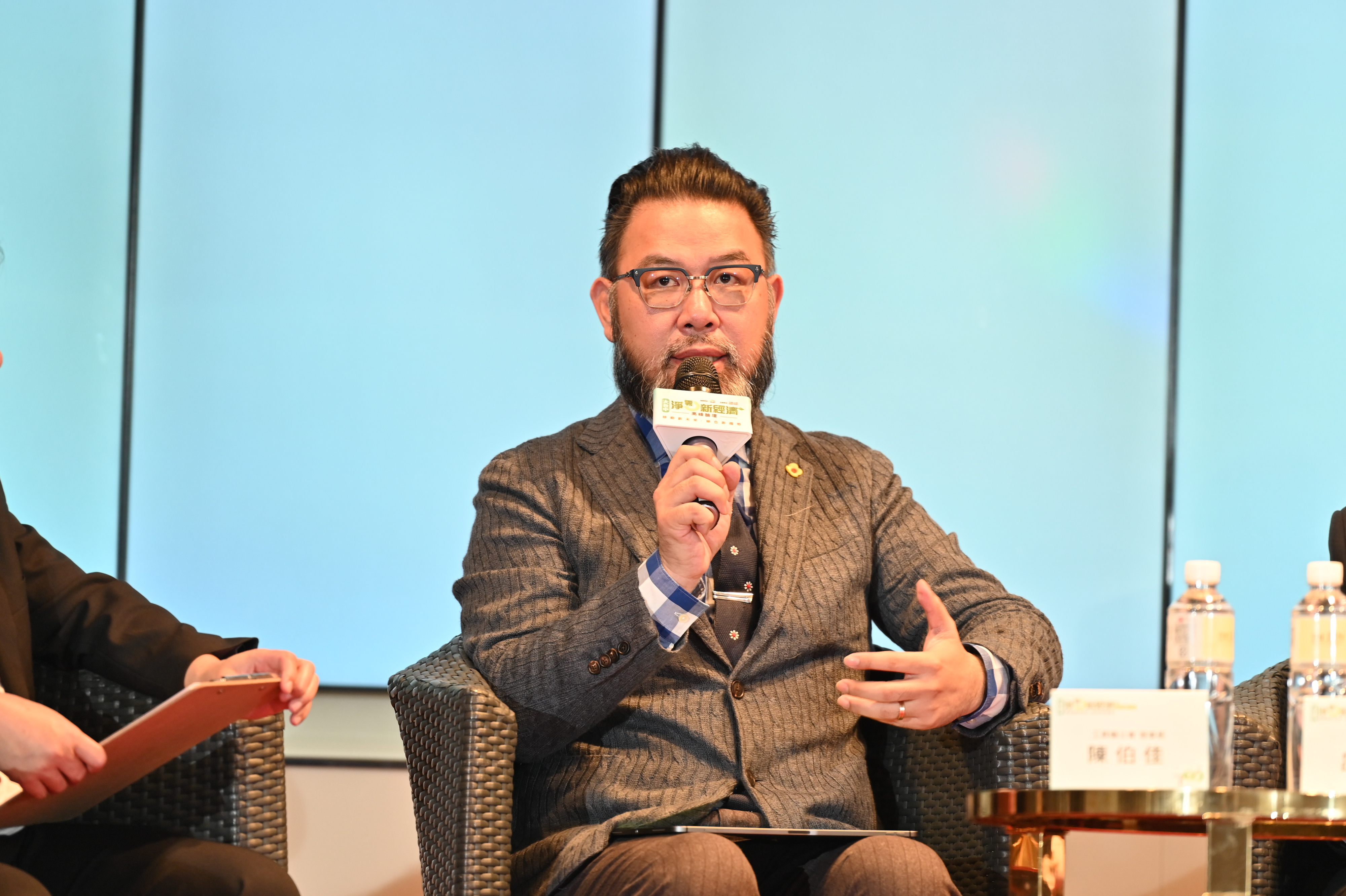
Chen Po-Chia, Chairman of the Taiwan Machine Tool & Accessory Builders’ Association (TMBA), was invited to attend the forum. He pointed out that over 80% of Taiwan’s machine tool industry output is exported, mainly to European and U.S. markets, which will soon impose carbon taxes. The association encourages member companies to start with environmental protection and energy saving by increasing the use of green electricity and reducing carbon emissions in production processes to minimize environmental impact.
Chen further emphasized that with net-zero reduction and ESG becoming mainstream, the industry will adopt a “big leads small” approach, leveraging collective strength to build a low-carbon supply chain. The goal is to complete the Product Category Rules (PCR) for the machine tool industry by the end of this year, helping businesses establish carbon footprint coefficients and accelerate carbon inventory across the sector.
  |


