

Smart Machinery Industry Talent Development Exchange: Industry, Government, and Academia Join Forces to Address Talent Shortages
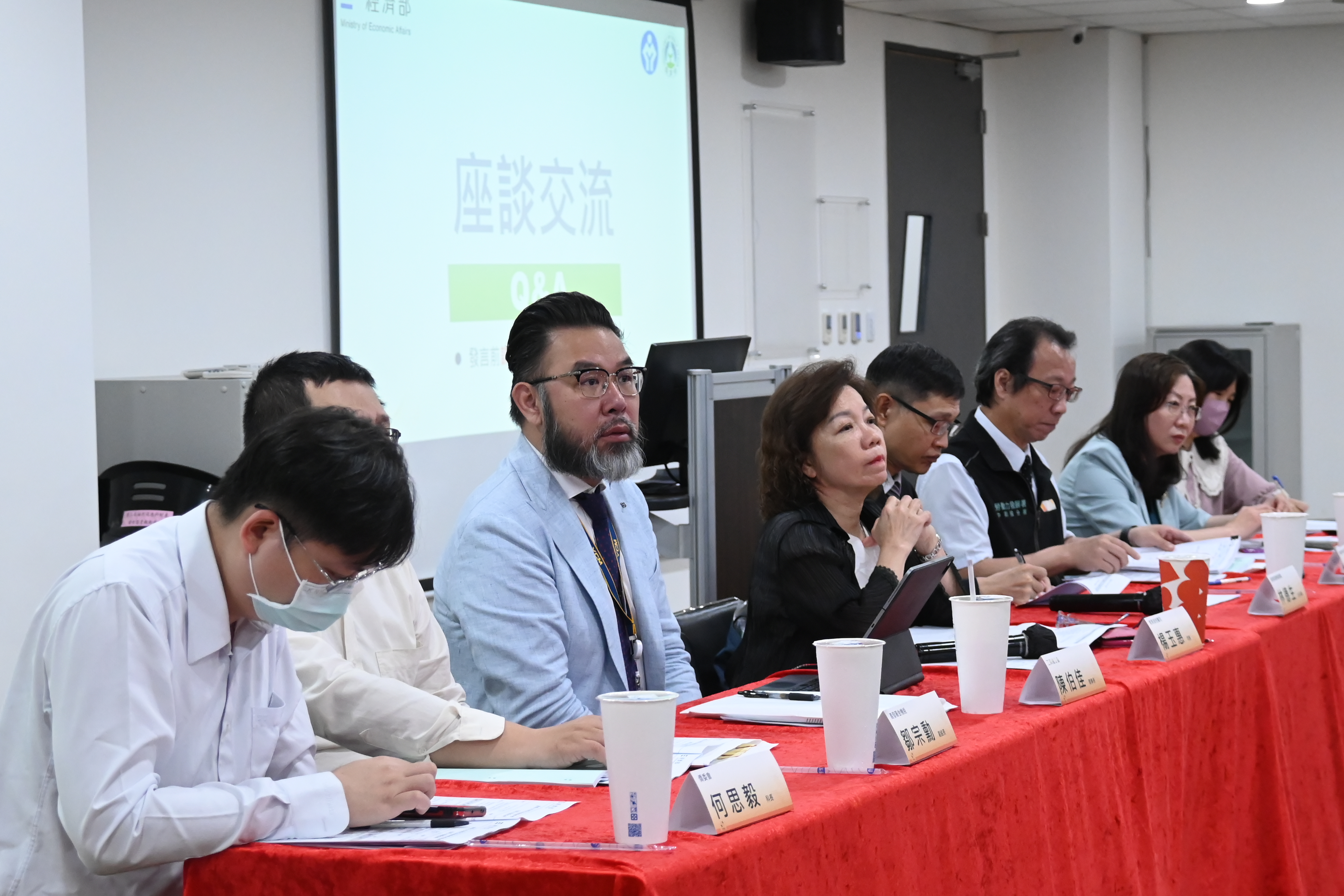
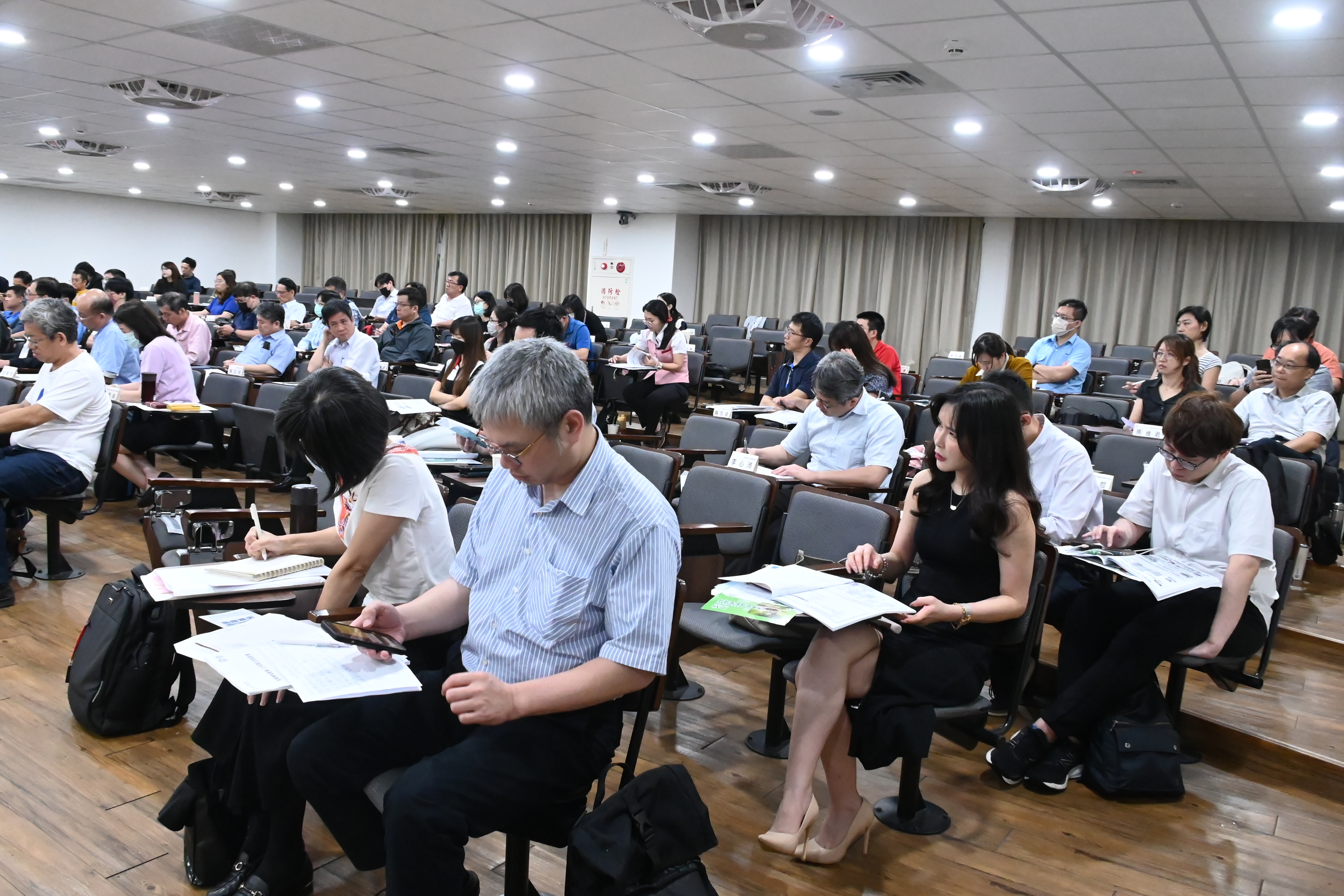
Talent is the core of industrial competitiveness. With demographic shifts such as declining birth rates and an aging population, all sectors are facing talent shortages. To tackle this challenge, the Ministry of Economic Affairs, Ministry of Education, Ministry of Labor, and the Taiwan Machine Tool & Accessory Builders’ Association (TMBA) jointly organized the “Smart Machinery Industry Talent Development Exchange Forum.” Each ministry provided detailed explanations on policies and measures related to talent resources, including “Corporate Use of Government Talent Development Resources,” “Domestic and International Industry-Academia Training Policies,” “Foreign Workforce Recruitment and Retention Policies,” and “Regulations for Recruiting and Retaining Foreign Professionals in Taiwan.”
Since 2018, the government has integrated resources across ministries to establish the “Inter-Ministerial Human Resource Supply and Demand Cooperation Platform” (referred to as the Human Resource Platform). Each ministry plays its role: the Ministry of Economic Affairs monitors key industry talent needs, the Ministry of Education assists with industry-academia collaboration and overseas student recruitment, and the Ministry of Labor supports corporate talent recruitment and pre-employment training. Through interaction and cooperation on this platform, companies are encouraged to invest in talent development, gradually building up resources and advantages for the smart machinery industry.
Comprehensive Policies: Domestic and International Strategies
To meet industry talent development needs, government policies provide support across multiple dimensions, focusing on both domestic and overseas recruitment. By strengthening population and immigration policies, Taiwan can attract international professionals to work locally and accelerate industrial upgrading. For example, the government promotes the Act for the Recruitment and Employment of Foreign Professionals, easing restrictions on work visas, residency, and social security to retain foreign talent. Additionally, Taiwan is expanding its recruitment of overseas students, launching new international industry talent education programs, and enhancing counseling and incentives for foreign students. Relaxed regulations for post-graduation employment aim to increase retention rates of outstanding overseas graduates, injecting new vitality and energy into Taiwan’s industries.
Government resources can also strengthen talent capabilities by encouraging collaboration between academia and industry to cultivate skills aligned with market needs. For instance, industry-academia cooperation programs allow companies and schools to jointly establish specialized courses in smart machinery, training professionals from entry-level to senior positions. This “learning by doing” model improves students’ practical abilities and adaptability while providing companies with highly skilled graduates tailored to their needs.
To address labor shortages, under the Ministry of Labor’s “Retention of Migrant Workers Program,” the Ministry of Economic Affairs continues to accept applications from companies for training courses or practical qualification reviews for foreign workers transitioning to mid-level technical roles in manufacturing. These workers face no employment term limits, and their transition quotas can replace new migrant workers, giving companies greater flexibility in workforce management.
Specific Recommendations for Industry-Academia Cooperation, Talent Development, and Internationalization
First, to meet industry demand for skilled professionals, schools and businesses should continue collaborating on joint programs to train students with practical abilities, while providing additional resources and subsidies for disadvantaged students in rural areas.
Second, to further enhance professional knowledge and practical skills on campus, ongoing support for teacher and student workshops in smart machinery should be maintained to improve teaching quality and broaden students’ career perspectives through real-world learning experiences.
Third, to strengthen industrial competitiveness, government ministries and TMBA’s industry-academia committee should jointly explore ways to help employees quickly acquire new knowledge and skills, ensuring companies maintain high professional standards and competitiveness during transformation.
Finally, to seize opportunities from global supply chain restructuring, Taiwan should target key countries in its supply chain strategy for international talent recruitment, supporting the internationalization of domestic industries. Overall, this forum enabled industry, government, and academia to discuss current talent development issues from different perspectives, aiming to improve the quality of smart machinery talent training, accelerate industrial upgrading, and enhance competitiveness, laying a solid foundation for long-term growth.
 |
 |


