

Talent Solutions for Smart Machinery: From Dialogue to Practice
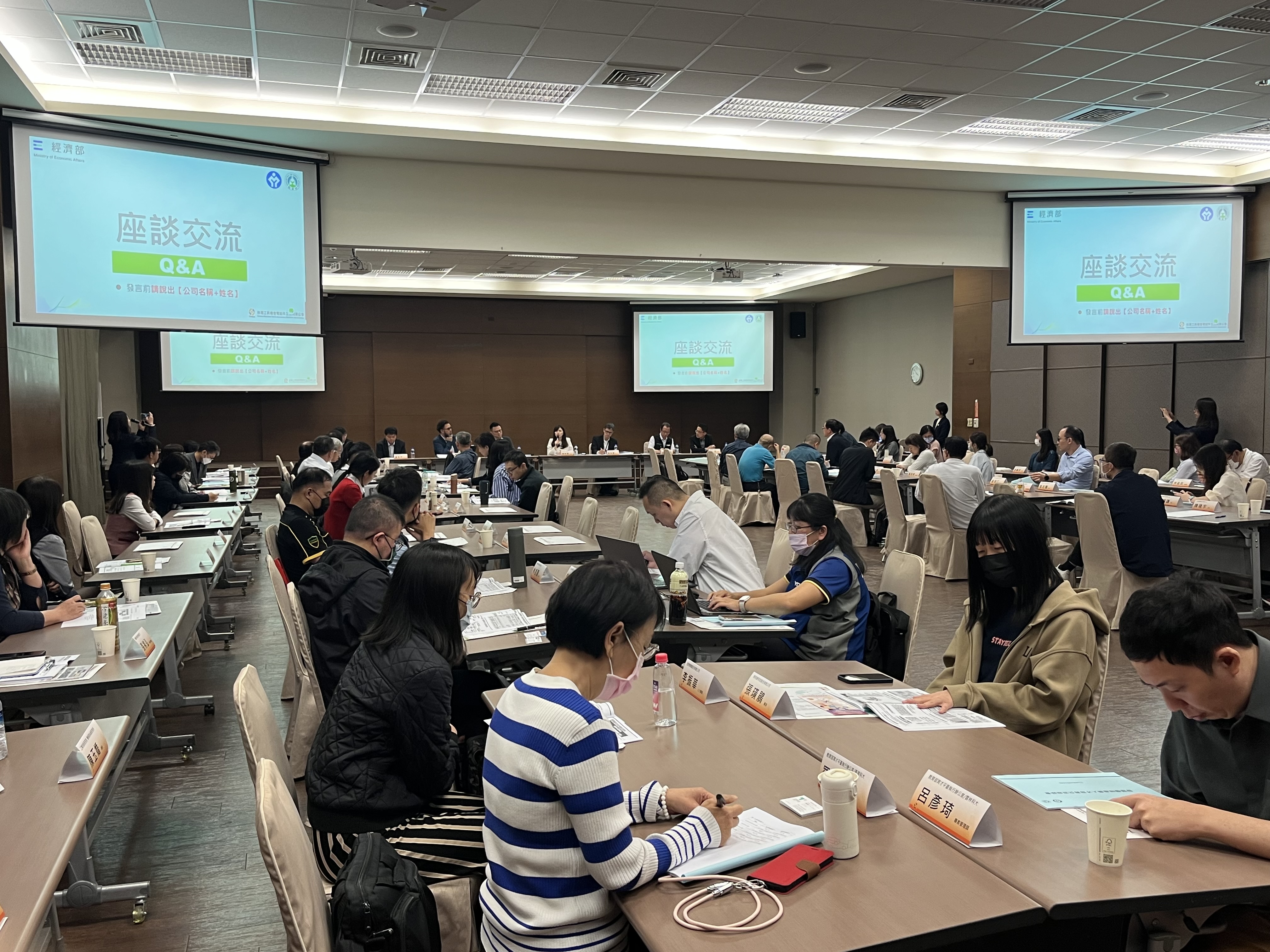
To address the pressures of a declining birthrate, an aging population, and global industrial restructuring, and to respond to the industry's urgent demand for talent, the Ministry of Economic Affairs (MOEA), the Ministry of Education (MOE), and the Ministry of Labor (MOL) collaborated with the Taiwan Machine Tool & Accessory Builders' Association (TMBA) to host the "Smart Machinery Industry Talent Cultivation Exchange Symposium." The event gathered representatives from government, industry, and academia to engage in deep dialogue focusing on four major pillars: Industry-Academia Integration, Technical Skill Development, International Talent Recruitment, and Digital Education.
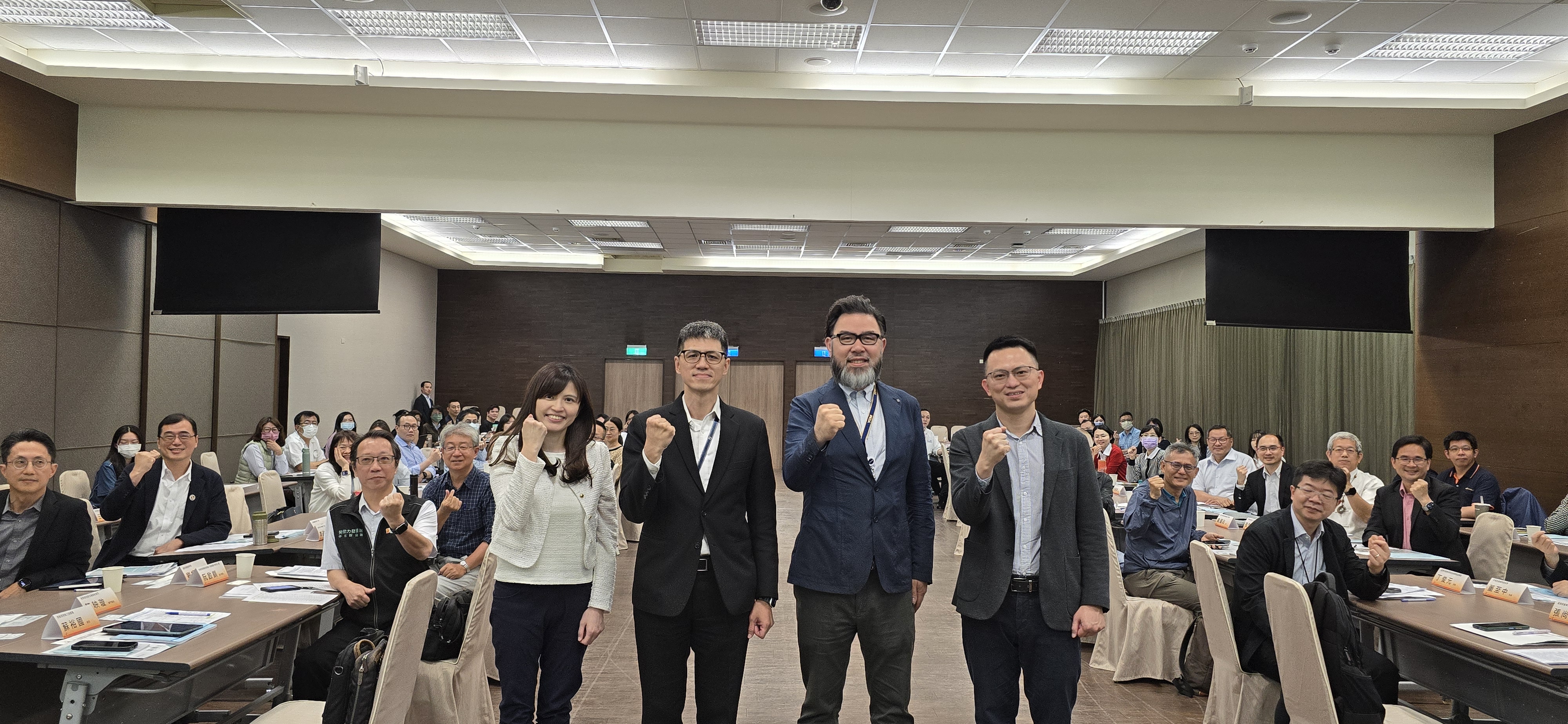
The meeting was co-chaired by Shang-Chun Chang (Senior Specialist, Industrial Development Administration, MOEA), Ying-Hsuan Chen (Specialist, Dept. of Technological and Vocational Education, MOE), Yu-Kuo Su (Director, Workforce Development Agency, MOL), and Patrick Chen (Chairman of TMBA). During the session, several TMBA representatives voiced the industry's concerns and proposed specific policy recommendations, hoping that long-term industrial efforts would receive more aligned institutional support and resource injection.
Industry-Led Solutions: Seeking Systematic Policy Support
"We are not just fulfilling social responsibility; we want to retain genuine talent," stated Yu-Chieh Wu, TMBA Industry-Academia Vice-Convener. He noted that while machine tool builders have invested years in industry-academia cooperation and vocational training, significant gaps remain within the current education and employment systems. He suggested strengthening technical training at the vocational high school level—proposing that programs like the six-week practical course offered by the Central Region Branch of the WDA become a standard training procedure prior to industry-academia transitions.
Regarding the "Industry-Academia-Training" collaboration model, some representatives noted a lack of incentive for students. During the freshman year, the living allowance is meager compared to peers in internships, leading to low participation. The industry urged the government to increase subsidies and establish competency assessment systems to support students.
Chien-Yu Lin, TMBA Industry-Academia Vice-Convener, pointed out that current recruitment modes for specialized industry-academia classes can lead to resource overlap if not coordinated. He suggested integrating corporate vocational training, night school continuing education, and practical work experience to develop a flexible cultivation mechanism that improves overall training efficiency and systemic continuity.
Precise Demand Matching: Strengthening Institutional Tools and Dialogue
The industry also called for the technical certification system to return to a practice-oriented approach. Current licenses often fail to reflect actual operational proficiency. Recommendations included strengthening the validation of both theoretical and practical skills and referencing iPAS (Industry Professional Assessment System) standards to establish a domestic competency assessment framework for recruitment.
Regarding international talent, TMBA Board Member Ping-Chieh Peng noted that rewarding companies that build high-quality internship environments would increase student interest and corporate investment. He suggested a cross-departmental collaboration mechanism, such as utilizing the "International Talent Database" (e.g., via 104 Job Bank), to help international talent stay in Taiwan and transition into the manufacturing sector.
Digital Twins and AI: A New Framework for Industrial Knowledge
The symposium highlighted the industry's commitment to digital transformation. Chairman Patrick Chen mentioned that the Association has begun building an AI Knowledge Platform. If integrated with government and industry data and paired with Chatbot applications, it could provide real-time educational recommendations and early warnings for transformation risks, enhancing industrial agility.
In terms of educational application, representatives suggested promoting Digital Twin technology. Students can simulate real production line processes via virtual platforms, improving learning outcomes while reducing the risk of wear and tear on expensive equipment. "This is more than just a digital operation; it is a medium for communicating with the next generation," said Chien-Yu Lin.
Upgrading Policy Vision: From Case-by-Case Fixes to Structural Transformation
In response to the suggestions, the MOE emphasized that current specialized classes are designed based on agreements between schools and enterprises. Future efforts will focus on dual-track management of "curriculum quality and employability" and the introduction of warning mechanisms to ensure resources are utilized effectively. The MOL and MOEA stated they would continue to evaluate adjustments to the vocational system and promote cross-departmental integration for AI, Digital Twins, and international recruitment.
The National Development Council (NDC) added that while the volume of talent from Eastern Europe is currently limited, they will continue to monitor global recruitment trends. They aim to use AI technology to strengthen human resource networks and expand marketing strategies to meet global industrial trends.
Building a Future Blueprint: From Talent Policy to Industrial Upgrade
Overall, the symposium covered a wide scope—from regulatory easing and resource optimization to evaluation reform and digital integration. It demonstrated the industry's long-term dedication and concrete needs. Moving forward, the key to the success of smart manufacturing lies in synchronizing policy design with industrial pace. Only by building a predictable, actionable, and scalable talent ecosystem can Taiwan's smart machinery industry break through in a changing global landscape.
 |
 |


