

IMTS 2026: AI, Automation and Process Integration Reshape the Shop Floor
Transformation Pressures and the Macroeconomic Environment Facing Global Manufacturing
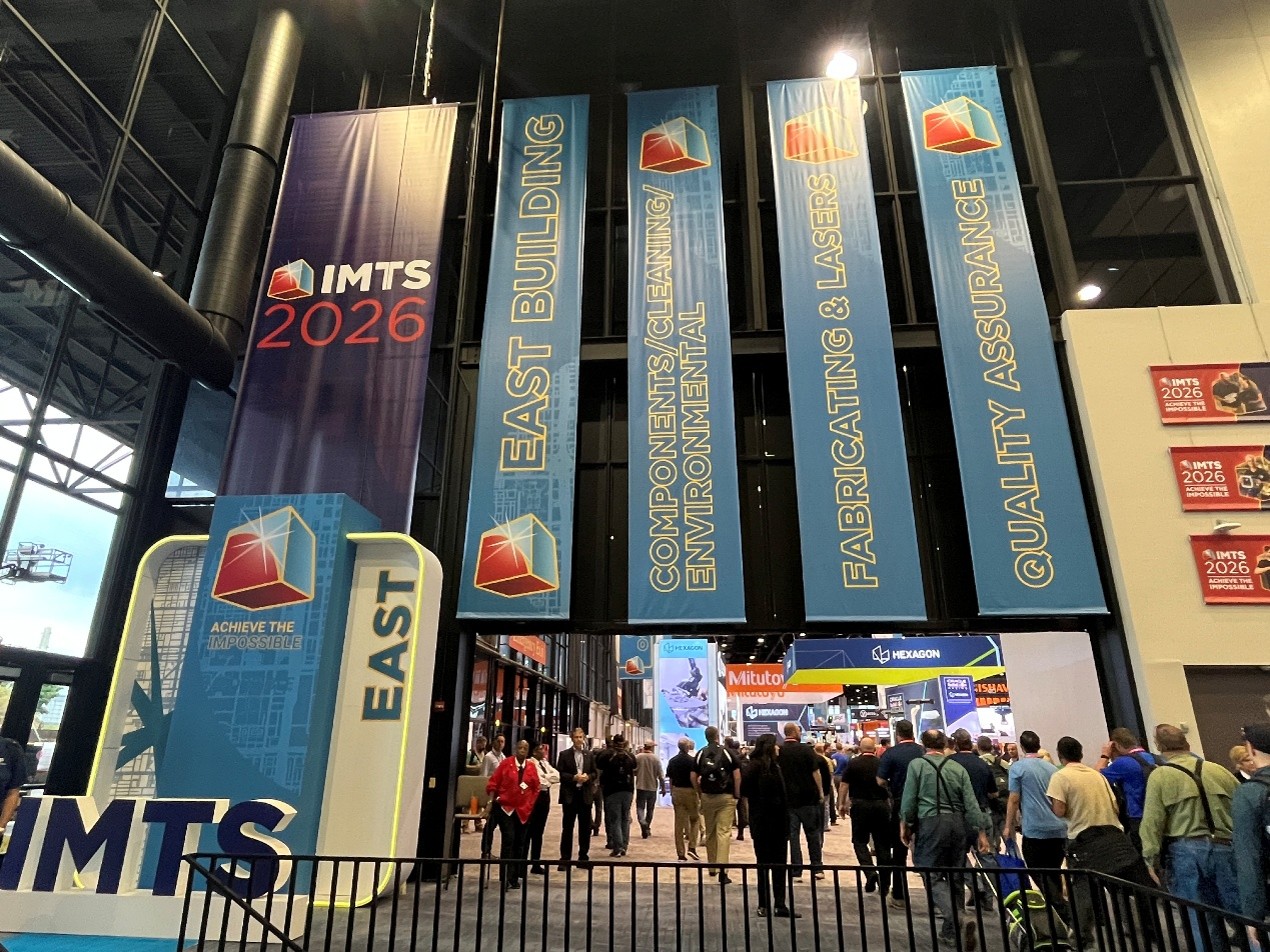
IMTS 2026 was held at McCormick Place in Chicago from September 14 to 19. The central focus of this year’s show was no longer merely a competition over machining parameters, but a technological response to the structural challenges confronting global manufacturing.
Global manufacturing is currently being squeezed by the twin pressures of surging raw-material costs and a widening shortage of skilled technical labor. Hard materials such as tungsten carbide have reached historically high prices amid geopolitical tensions and supply-chain volatility, directly compressing profit margins. An even more serious challenge is the deterioration of the labor structure. According to industry data released at the show, as many as 80% of U.S. manufacturing plants have yet to adopt any automation technology. Manufacturing is therefore no longer simply pursuing the limits of stand-alone machine speed; it has become a contest for survival centered on achieving high reliability with minimal labor. This also underscores the urgency of automation amid multiple converging headwinds.
- Raw-material cost pressure: Prices for tungsten carbide and other core cutting-tool materials continue to rise, forcing companies to recover margins through improved machining strategies.
- Geopolitical and supply-chain volatility: Tariff uncertainty and geopolitical risk are driving manufacturers toward localized production and digital inventories—a shift from physical stockpiling to on-demand machining.
- Severe labor shortages: The shortage of skilled workers has become an irreversible global trend, pushing manufacturers away from a singular pursuit of maximum precision and speed and toward performing more operations with fewer people and greater reliability.
IMTS 2026 was widely regarded as a milestone in the real-world deployment of automation and AI. Whereas previous shows explored the possibilities of digitalization, this year’s event demonstrated how AI and automation are becoming practical tools for survival. Together with geopolitical and economic pressures, these challenges gave rise to four major technology themes at the show.
 |
Four Major Trends and Key Technologies at IMTS 2026
1. Industrial AI and the Agentic Factory
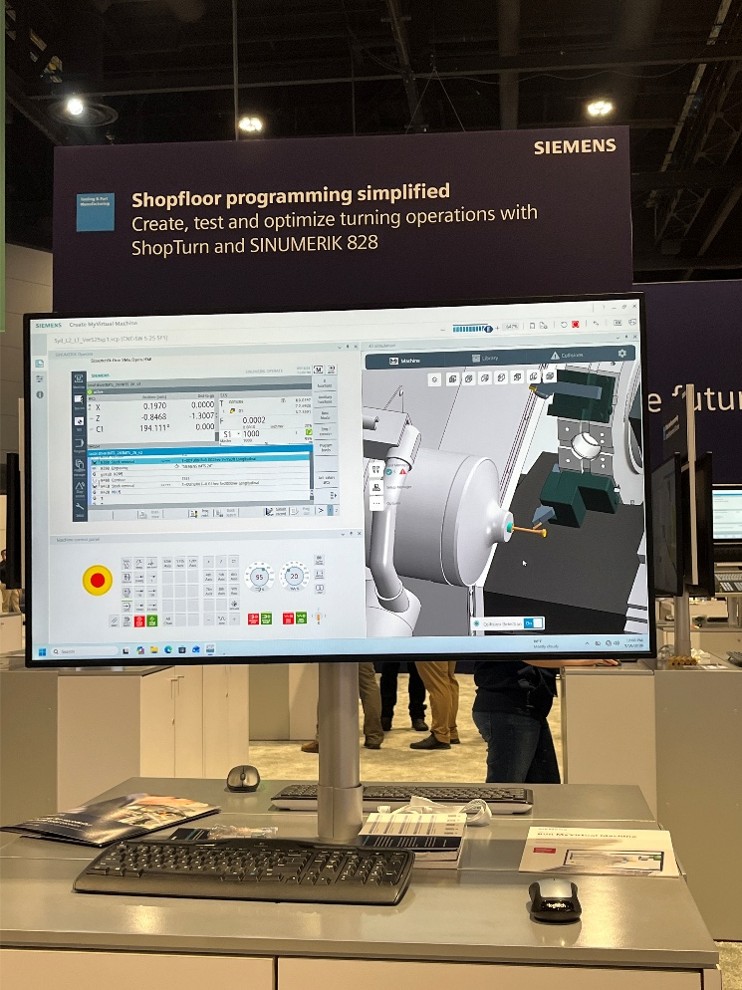
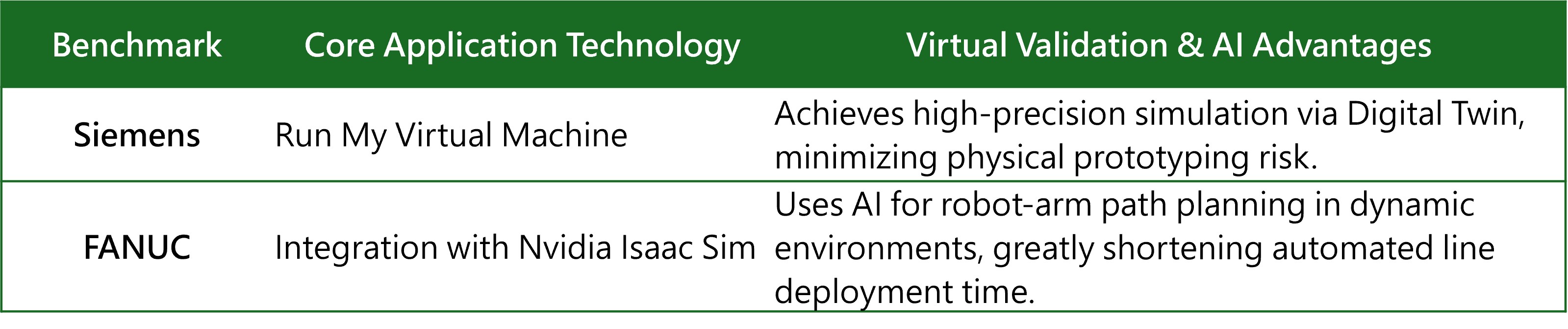
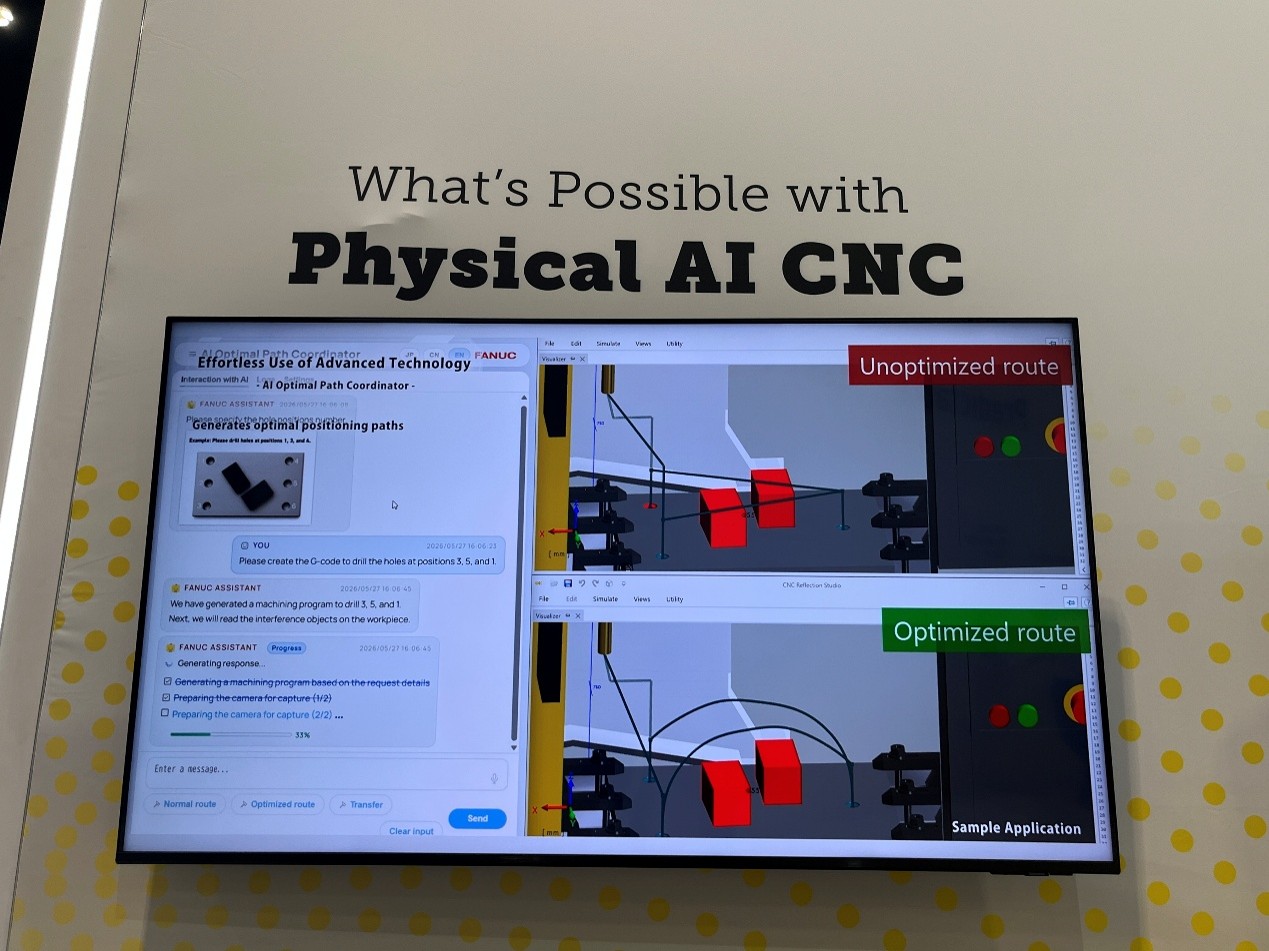
The Industrial AI Arena, introduced for the first time at this year’s show, did more than showcase technology. It signaled AI’s transition from cloud-based theory to physical control at the machine level. One of the most closely watched themes was the “Agentic Factory,” in which AI systems can make proactive judgments and decisions.
 |
Source: PMC (2026)
 |
Source: PMC (2026)
 |
Source: PMC (2026)
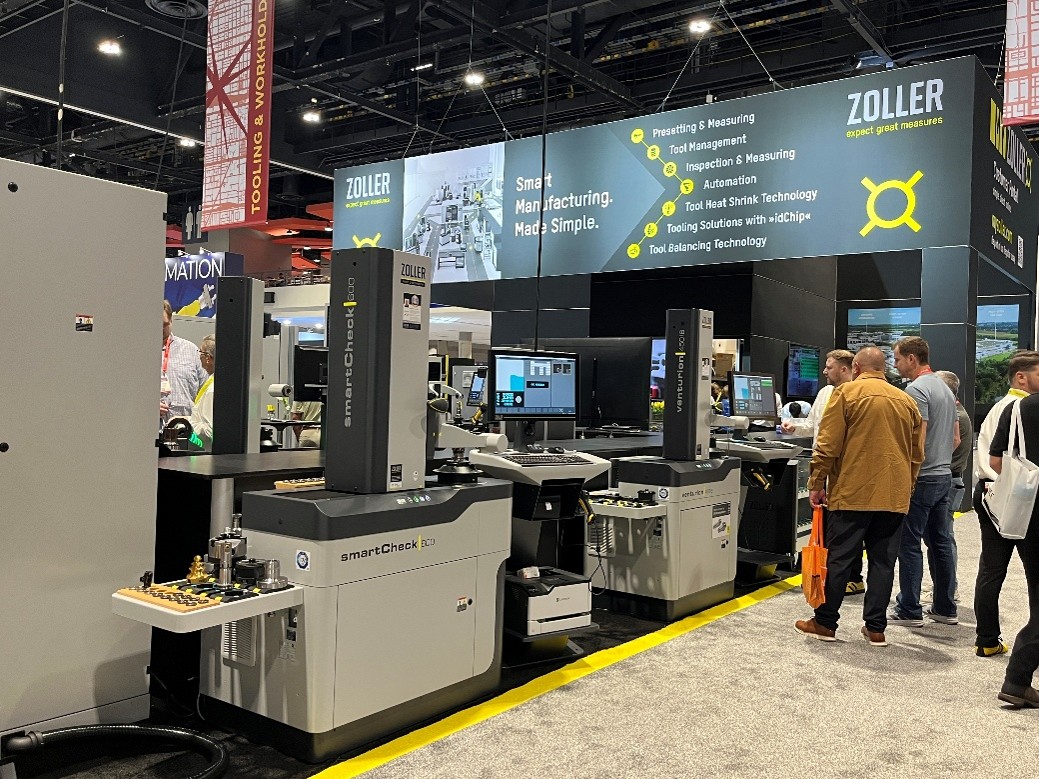
Mitsubishi Electric’s MG Series wire-cut EDM machines use AI-assisted machining-condition optimization to support stable, high-quality machining. ZOLLER’s »micBox« is a fully automated indexable-insert replacement system that can install, index, flip, and replace inserts on milling cutters.
 |
Source: PMC (2026)
2. Designed-In Automation and Accessible Collaboration
With 80% of U.S. factories still not automated, automation at IMTS 2026 showed a clear shift toward being designed in from the outset rather than added later as an upgrade.
- Low barriers and plug-and-play deployment: Mitsubishi Electric’s ARIA (Automated Robotic Industrial Assistant) workcell, paired with a KEYENCE vision-inspection system, exemplifies designed-in automation. Instead of requiring complex programming, such systems use graphical interfaces and vision guidance, enabling users to bring them into operation quickly. Lowering the barriers to human–machine collaboration is key to reaching the still-untapped 80% of the market.
- Robotics-as-a-Service (RaaS): RaaS is among the most closely watched new business models in automation. To ease the financial burden on small and medium-sized manufacturers, leasing and financing arrangements—combined with electromechanical integration and bidirectional data exchange between machines and automation components—convert high capital expenditures into predictable operating expenses. For Taiwanese machine tool builders, this means extending the sales model beyond one-time equipment sales to include maintenance and support for complete automated lines.
3. Process Integration and the Evolution of “DONE IN ONE”
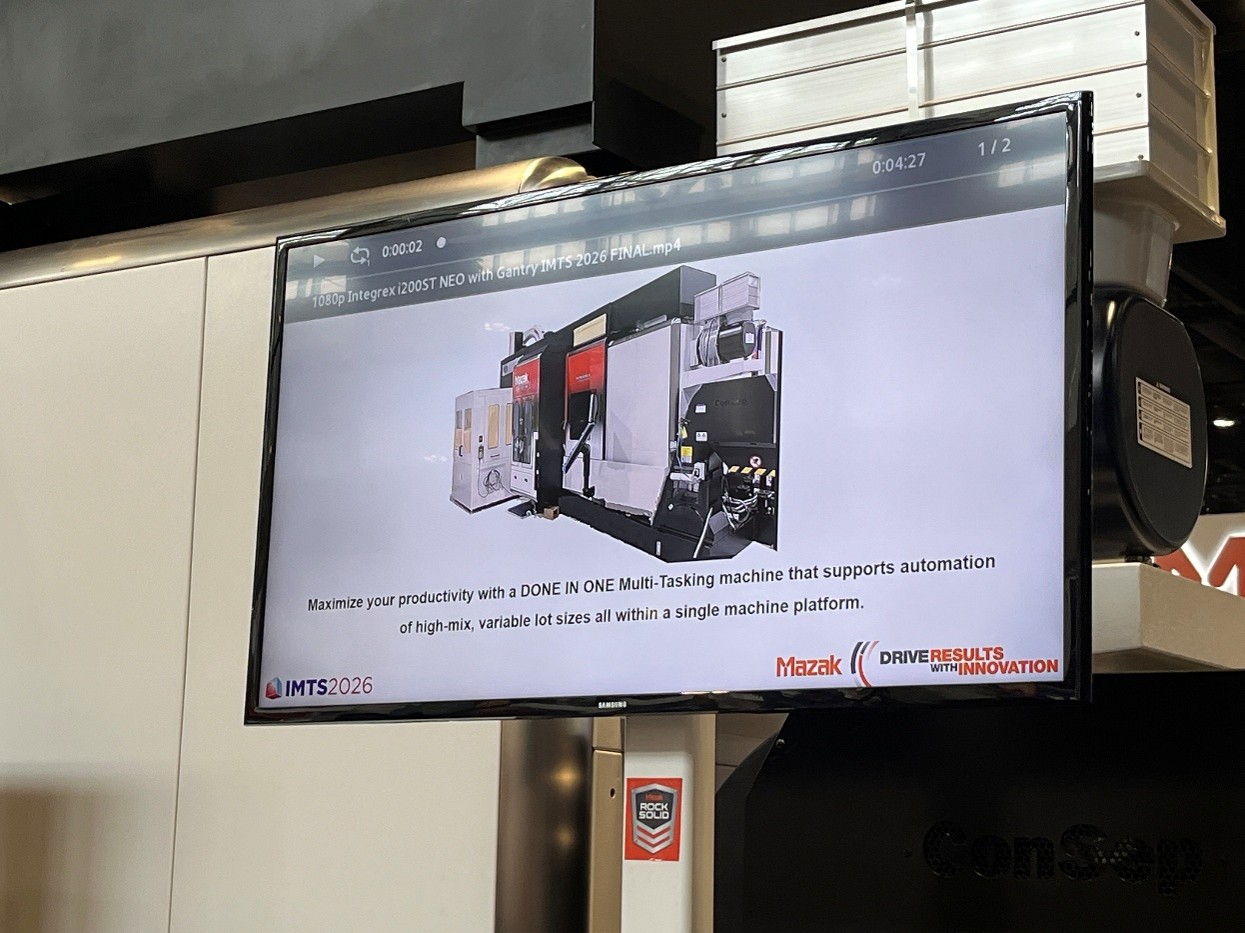
“Fewer setups, complete in one machine” has evolved from a slogan into engineering practice. In an environment of labor shortages, every transfer and reclamping step introduces both accuracy loss and additional cost.
 |
Source: PMC (2026)
- DN Solutions AM2CNC: This solution integrates the DLX 450Q laser powder bed fusion (LPBF) metal additive manufacturing system with the DVF 5000 five-axis vertical machining center. By linking additive and subtractive manufacturing, this hybrid technology provides a resilient digital production-line solution for highly complex parts.
- SMW-AUTOBLOK MOTIACT: SMW-AUTOBLOK introduced a range of advanced mechatronic grippers designed for CNC machining automation and Industry 4.0 applications.
4. The Tool Room of the Future and a Technological Response to Raw-Material Costs
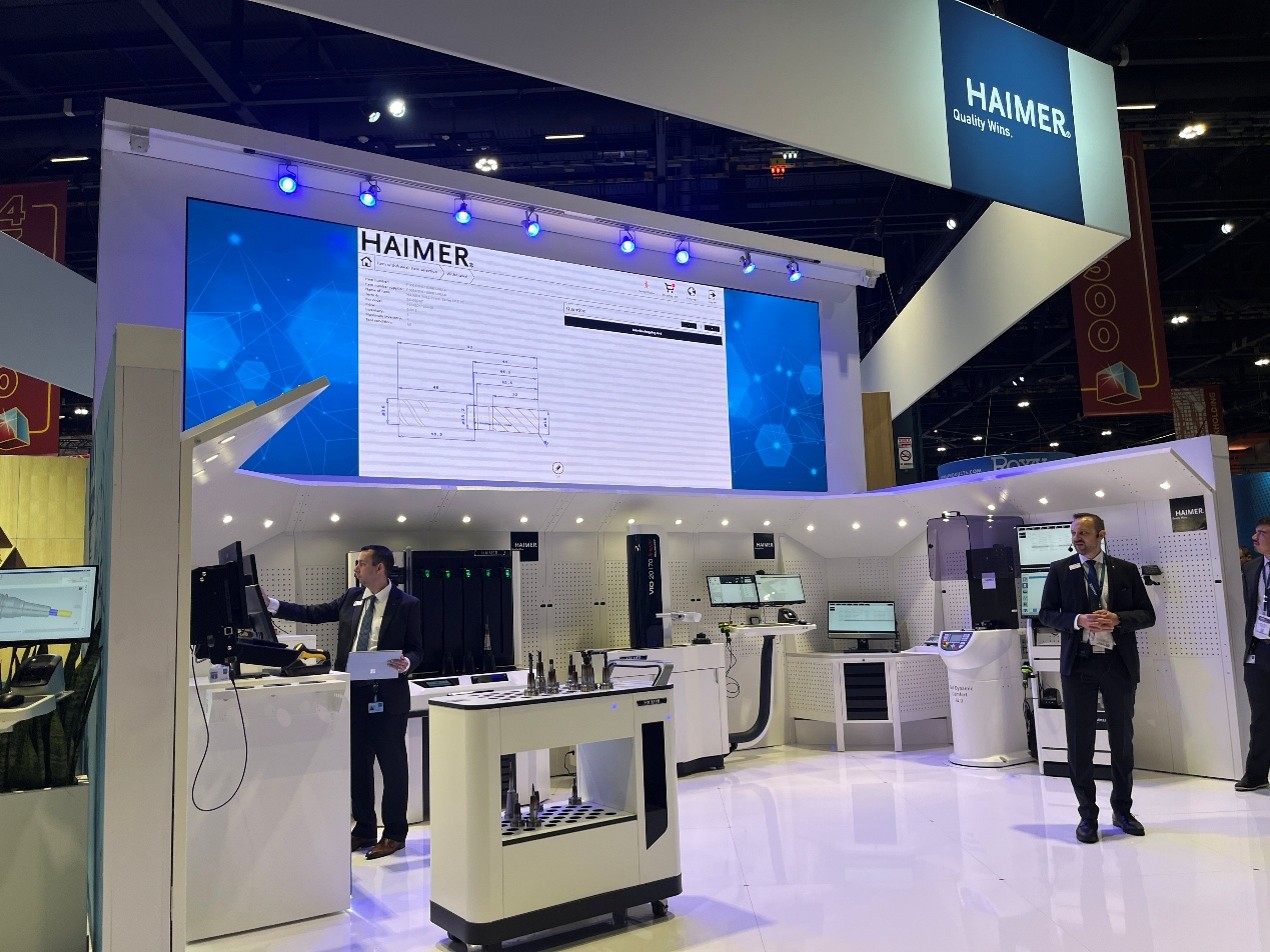
“Tool Room of the Future” was the theme promoted by Germany’s HAIMER in its dedicated exhibit area. As the prices of tungsten carbide and other materials rise, the concept reframes the tool room—traditionally regarded as a cost center—as a tool-management and logistics hub critical to factory profitability.
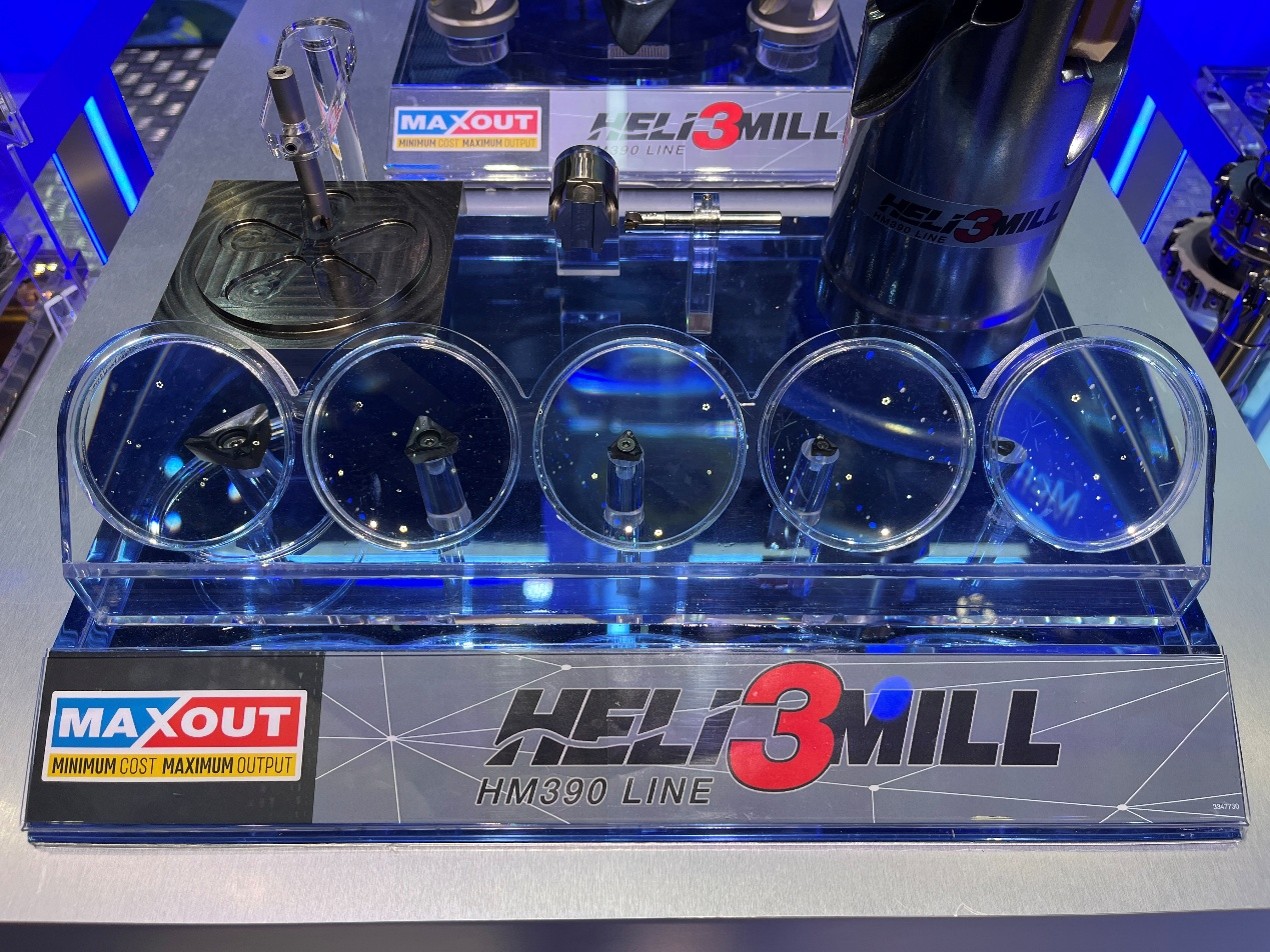
- ISCAR’s MAXOUT/MAXVALUE strategy: In response to rising carbide costs, ISCAR introduced MAXOUT/MAXVALUE. Its core logic is to deliver maximum output, minimum cost, and maximum value by increasing the number of cutting edges per insert and optimizing geometry and coating technologies, as exemplified by the MAXOUT series. Practical measures include sharply reducing tool-change time, lowering raw-material consumption, and extending tool life through application-specific solutions.
- Quality assurance for unmanned production: To enable lights-out factories, BLUM-Novotest and Marposs integrate advanced in-process measurement, compensation, and collision monitoring with machine controllers to safeguard yield during unattended operation. HAIMER also demonstrated data-flow management that eliminates manual intervention from tool presetting and data upload through machine compensation.
 |
Source: PMC (2026)
 |
Source: PMC (2026)
Lessons for the Upgrading and Transformation of Taiwan’s Machine Tool Industry
1. Transforming the R&D Path: From Hardware-Oriented Development to AI Solution-Oriented Development
Building on the Agentic Factory concept presented at the show, Taiwanese machine tool builders have an opportunity to move beyond competition based solely on hardware specifications by deepening the integration of sensors and AI and enabling equipment to diagnose and optimize operations autonomously.
2. Expanding the Large Non-Automated Market: Developing Accessible, Lightweight Automation Modules
Many solutions at the show aimed to make automation more widely accessible. A very high proportion of small and medium-sized manufacturers worldwide have yet to automate because of technical and cost barriers. Low-code, easy-to-deploy lightweight modules could help more manufacturers take the first step and collectively open up this substantial blue-ocean market.
3. Focusing on High-Value Niche Markets: Deepening “DONE IN ONE” Process Integration for Aerospace and Semiconductor Applications
Technology demonstrations in the aerospace and semiconductor zones showed that, for difficult-to-machine materials, leading international manufacturers are vigorously integrating machines, cutting tools, and on-machine measurement under the “DONE IN ONE” concept. Further integration of hardware, software, and real-time measurement can shorten processing times for high-value customers and create irreplaceable value as a business partner.
Conclusion: International Market Trends and Future Outlook
- Structural transformation in application markets
International purchasing priorities are shifting from conventional, general-purpose machines to solutions optimized for specific high-end applications. In aerospace and semiconductor component machining in particular, customers increasingly expect digitally enabled machine stability. They are paying closer attention to whether equipment provides real-time data feedback and adaptive compensation to ensure the quality and reliability of high-value components.
- High-mix, low-volume demand and the deployment potential of Physical AI
As global supply chains are restructured and manufacturing is reshored, the ability to handle urgent orders and frequent line changeovers flexibly without adding labor has become a common must-have requirement among international buyers. The show featured numerous Physical AI applications combining intelligent vision and sensing technologies, indicating that autonomous learning and environmental perception are gradually becoming foundational technologies for resilient supply chains.
- From selling machines to selling solutions: a high-value model integrating hardware and software
Future industry competition will be defined less by stand-alone machines than by the breadth and integration of hardware and software ecosystems. The following table summarizes the differences between conventional machines and modern intelligent ecosystems:
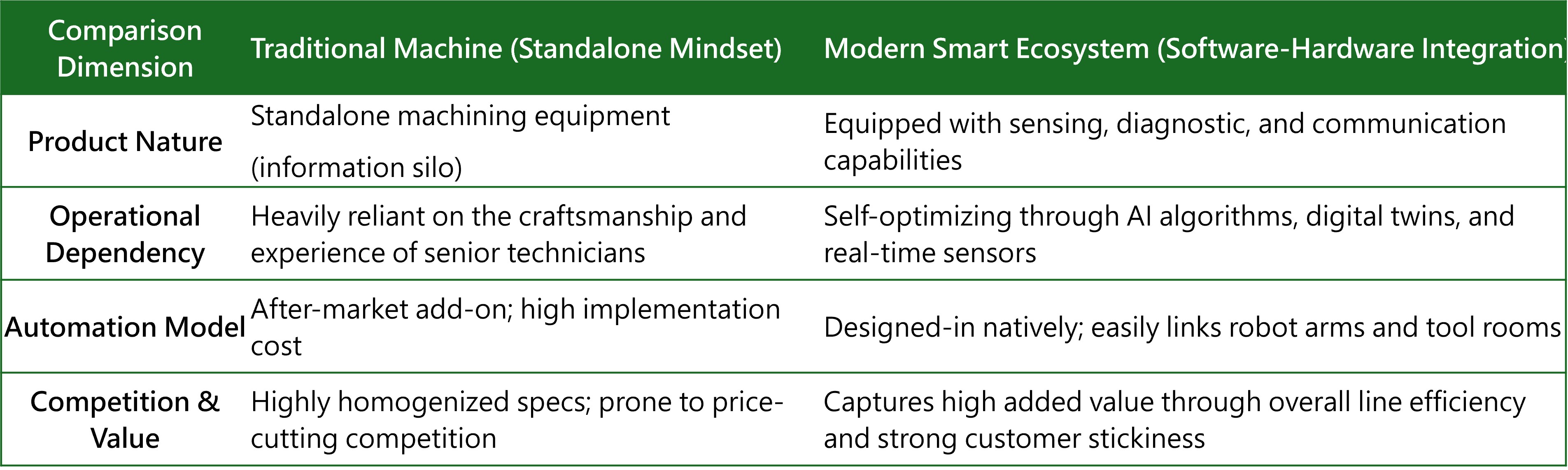 |
Source: PMC (2026)
- Demonstrating the intelligence and partnership value of Taiwanese manufacturing amid global change
IMTS 2026 clearly showed that global manufacturing is moving from conventional mechanization toward Physical AI and designed-in automation. Future equipment competitiveness will depend not only on machine specifications, but also on the use of AI, digital twins, and intelligent assistance to make automation easier to operate and trust. If Taiwan’s machine tool industry capitalizes on its agility and comprehensive supply-chain strengths and gradually overcomes the technical barriers to AI applications and designed-in automation, it can redefine “Made in Taiwan” through more resilient smart solutions and establish deep, indispensable value as a business partner as international supply chains are reconfigured.


