
MA Focus
Gardner 2026 World Machine Tool Survey
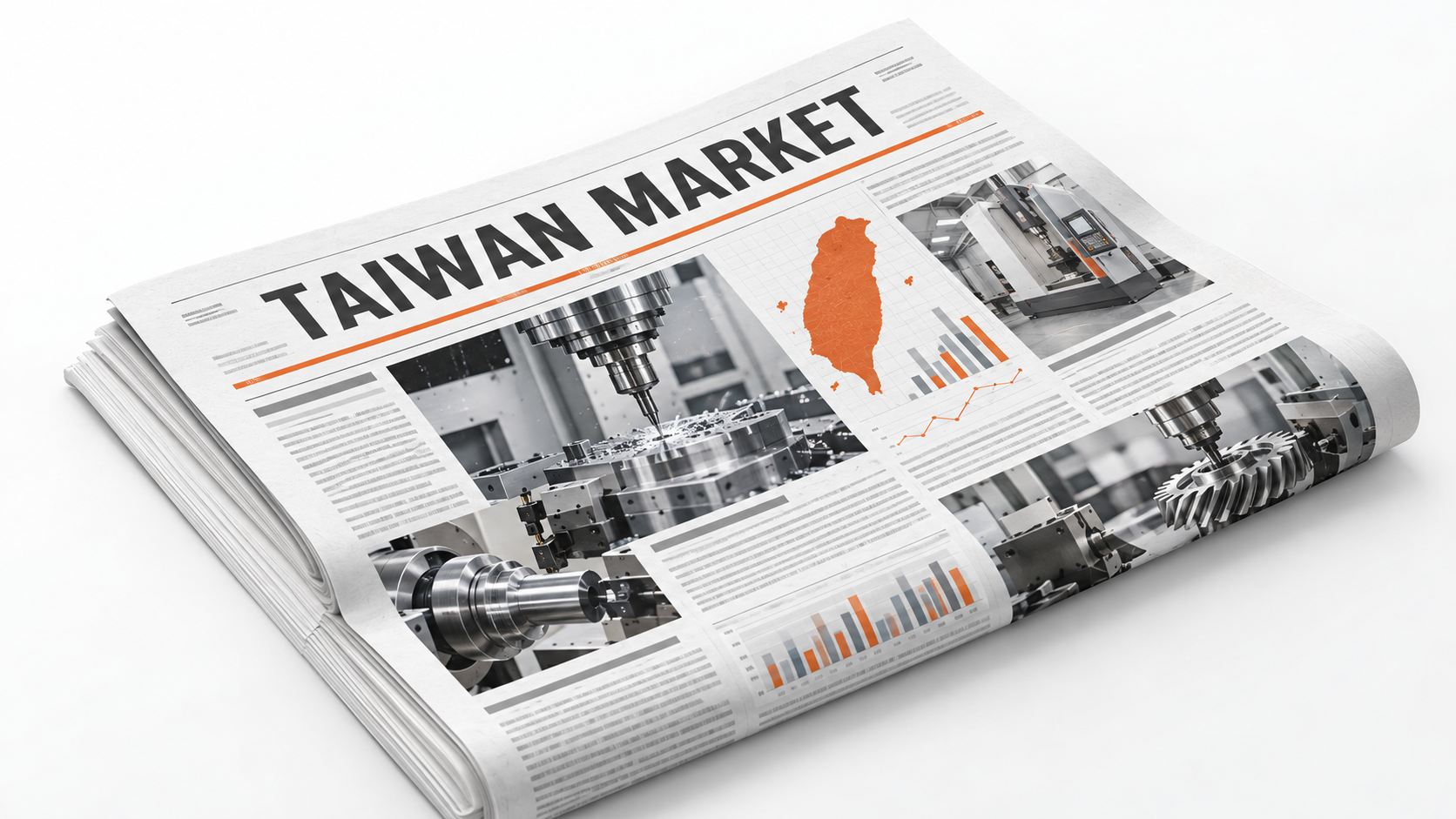
Global machine tool production and consumption declined by approximately 3% in 2025, signaling market restructuring rather than a severe contraction. Mainland China strengthened its leadership in production and exports, while demand weakened across Europe and North America. Southeast Asia and India emerged as key growth markets. Taiwan remained a major global supplier, but its production fell 12%, exposing its vulnerability to external demand and intensifying competition from lower-cost Chinese products and advanced Japanese and German technologies. Taiwanese manufacturers should diversify into emerging markets, upgrade high-precision and smart machinery, and shift from standalone equipment sales toward integrated manufacturing solutions and global services.

MA Focus
Central and Eastern European Markets: Strategies for Taiwanese Machine Tool Manufacturers
Central and Eastern Europe is emerging as a key manufacturing hub amid European supply chain restructuring. This report examines machine tool markets, industrial clusters, and application opportunities across twelve countries. It recommends that Taiwanese manufacturers prioritize Poland, Czechia, Hungary, and Romania while exploring emerging markets such as Serbia. Opportunities span automotive, electronics, aerospace, defense, and reconstruction activities. To strengthen competitiveness, companies should combine precision equipment with automation, digital technologies, and energy management. Partnerships with local distributors and system integrators, supported by regional service and spare parts networks, can facilitate market entry and build lasting customer relationships through phased regional investment.
Industry scan
From Energy-Saving Design to AI Integration: TMBA Labels Showcase Progress in Green and Digital Transformation
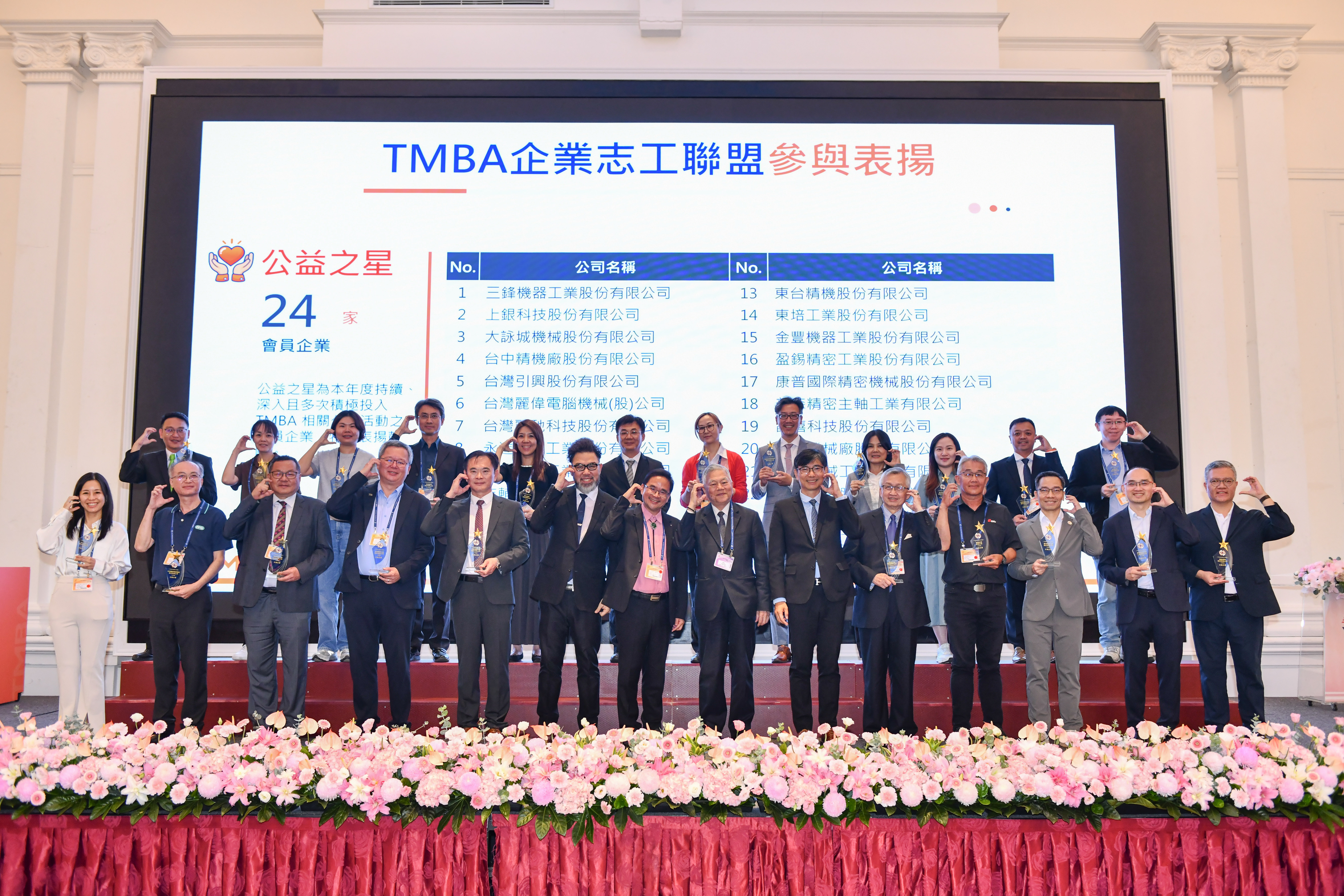
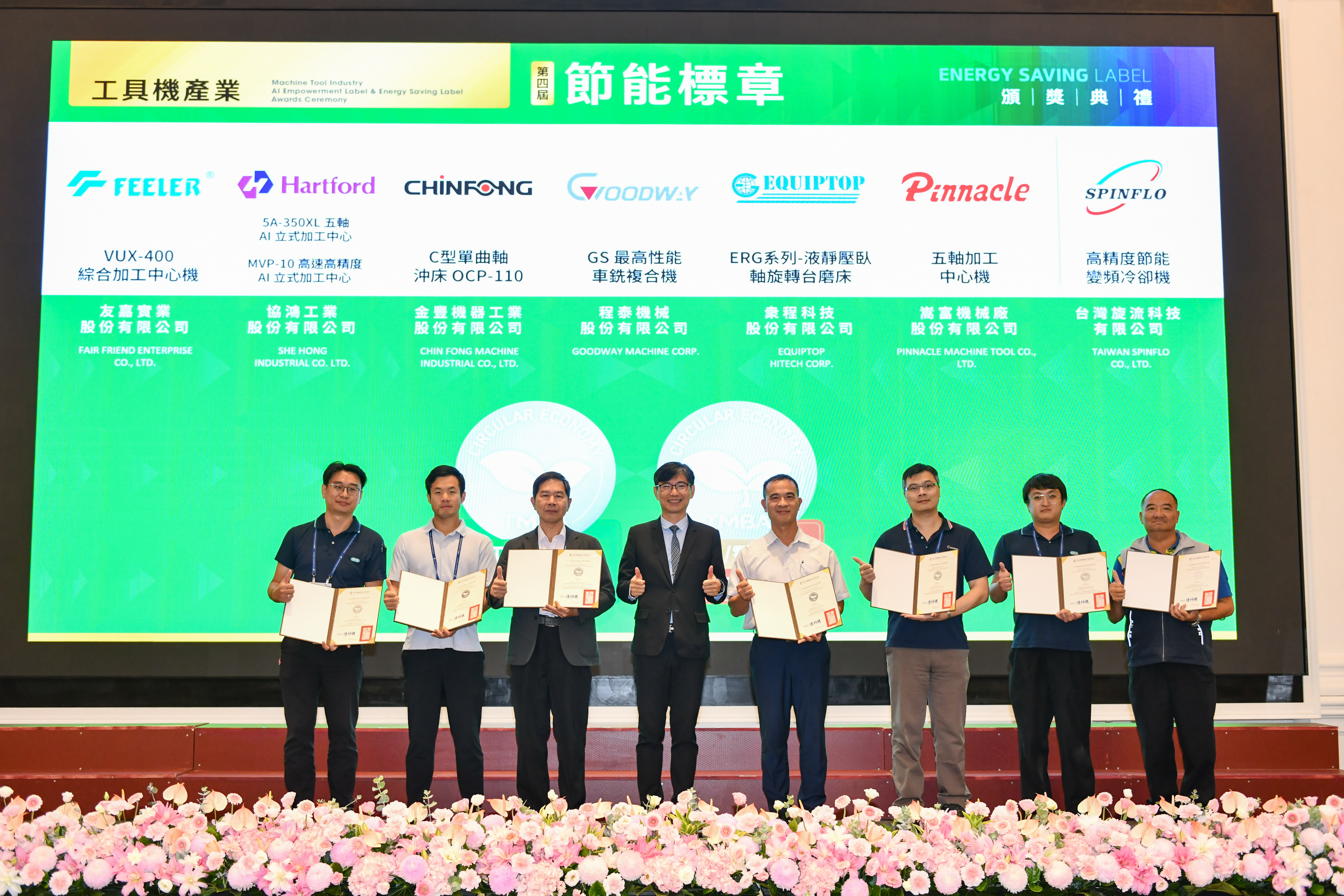
TMBA’s Energy Efficiency and AI Empowerment Label programs highlight Taiwan’s machine tool industry’s progress in digital and green transformation. Thirteen products passed the energy efficiency assessment, while AI recognition covered six companies and ten products. Applications span thermal error compensation, quality prediction, predictive maintenance, intelligent quotation, and knowledge management. Companies are increasingly integrating AI into research, production, management, and after-sales services, alongside energy-saving design and carbon data management. Supported by the Industrial Development Administration and PMC, the programs showcase industry achievements and encourage businesses to translate technological advances into measurable customer benefits, stronger product differentiation, and greater competitiveness in international markets.

Tech trends
AI Enablement in the Machine Tool Industry: Case Studies and Enterprise AI Governance
This article analyzes entries submitted to the AI Enablement Certification Program organized by the Taiwan Machine Tool & Accessory Builders’ Association (TMBA). It reviews AI applications in Taiwan’s machine tool industry, including intelligent machining, predictive maintenance, knowledge management, and digital twins, while identifying challenges related to model drift, real-world validation, cybersecurity, and data governance. With reference to ISO/IEC 42001 and the EU AI Act, it proposes governance measures such as model monitoring, human-in-the-loop controls, version traceability, and data compartmentalization to support reliable, secure, and sustainable AI deployment across the industry.
MA Focus
Global machine tool production and consumption declined by approximately 3% in 2025, signaling market restructuring rather than a severe contraction. Mainland China strengthened its leadership in production and exports, while demand weakened across Europe and North America. Southeast Asia and India emerged as key growth markets. Taiwan remained a major global supplier, but its production fell 12%, exposing its vulnerability to external demand and intensifying competition from lower-cost Chinese products and advanced Japanese and German technologies. Taiwanese manufacturers should diversify into emerging markets, upgrade high-precision and smart machinery, and shift from standalone equipment sales toward integrated manufacturing solutions and global services.
MA Focus
Central and Eastern Europe is emerging as a key manufacturing hub amid European supply chain restructuring. This report examines machine tool markets, industrial clusters, and application opportunities across twelve countries. It recommends that Taiwanese manufacturers prioritize Poland, Czechia, Hungary, and Romania while exploring emerging markets such as Serbia. Opportunities span automotive, electronics, aerospace, defense, and reconstruction activities. To strengthen competitiveness, companies should combine precision equipment with automation, digital technologies, and energy management. Partnerships with local distributors and system integrators, supported by regional service and spare parts networks, can facilitate market entry and build lasting customer relationships through phased regional investment.
Industry scan
TMBA’s Energy Efficiency and AI Empowerment Label programs highlight Taiwan’s machine tool industry’s progress in digital and green transformation. Thirteen products passed the energy efficiency assessment, while AI recognition covered six companies and ten products. Applications span thermal error compensation, quality prediction, predictive maintenance, intelligent quotation, and knowledge management. Companies are increasingly integrating AI into research, production, management, and after-sales services, alongside energy-saving design and carbon data management. Supported by the Industrial Development Administration and PMC, the programs showcase industry achievements and encourage businesses to translate technological advances into measurable customer benefits, stronger product differentiation, and greater competitiveness in international markets.
Tech trends
This article analyzes entries submitted to the AI Enablement Certification Program organized by the Taiwan Machine Tool & Accessory Builders’ Association (TMBA). It reviews AI applications in Taiwan’s machine tool industry, including intelligent machining, predictive maintenance, knowledge management, and digital twins, while identifying challenges related to model drift, real-world validation, cybersecurity, and data governance. With reference to ISO/IEC 42001 and the EU AI Act, it proposes governance measures such as model monitoring, human-in-the-loop controls, version traceability, and data compartmentalization to support reliable, secure, and sustainable AI deployment across the industry.
Featured Articles
-
Gardner 2026 World Machine Tool SurveyGlobal machine tool production and consumption declined by approximately 3% in 2025, signaling market restructuring rather than a severe contraction. Mainland China strengthened its leadership in production and exports, while demand weakened across Europe and North America. Southeast Asia and India emerged as key growth markets. Taiwan remained a major global supplier, but its production fell 12%, exposing its vulnerability to external demand and intensifying competition from lower-cost Chinese products and advanced Japanese and German technologies. Taiwanese manufacturers should diversify into emerging markets, upgrade high-precision and smart machinery, and shift from standalone equipment sales toward integrated manufacturing solutions and global services.
-
Central and Eastern European Markets: Strategies for Taiwanese Machine Tool ManufacturersCentral and Eastern Europe is emerging as a key manufacturing hub amid European supply chain restructuring. This report examines machine tool markets, industrial clusters, and application opportunities across twelve countries. It recommends that Taiwanese manufacturers prioritize Poland, Czechia, Hungary, and Romania while exploring emerging markets such as Serbia. Opportunities span automotive, electronics, aerospace, defense, and reconstruction activities. To strengthen competitiveness, companies should combine precision equipment with automation, digital technologies, and energy management. Partnerships with local distributors and system integrators, supported by regional service and spare parts networks, can facilitate market entry and build lasting customer relationships through phased regional investment.
-
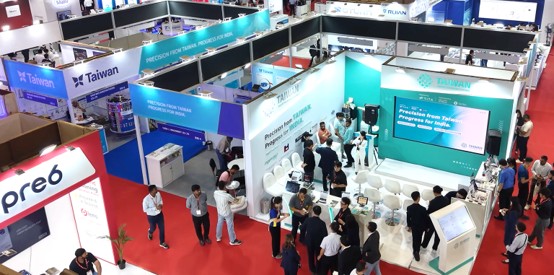
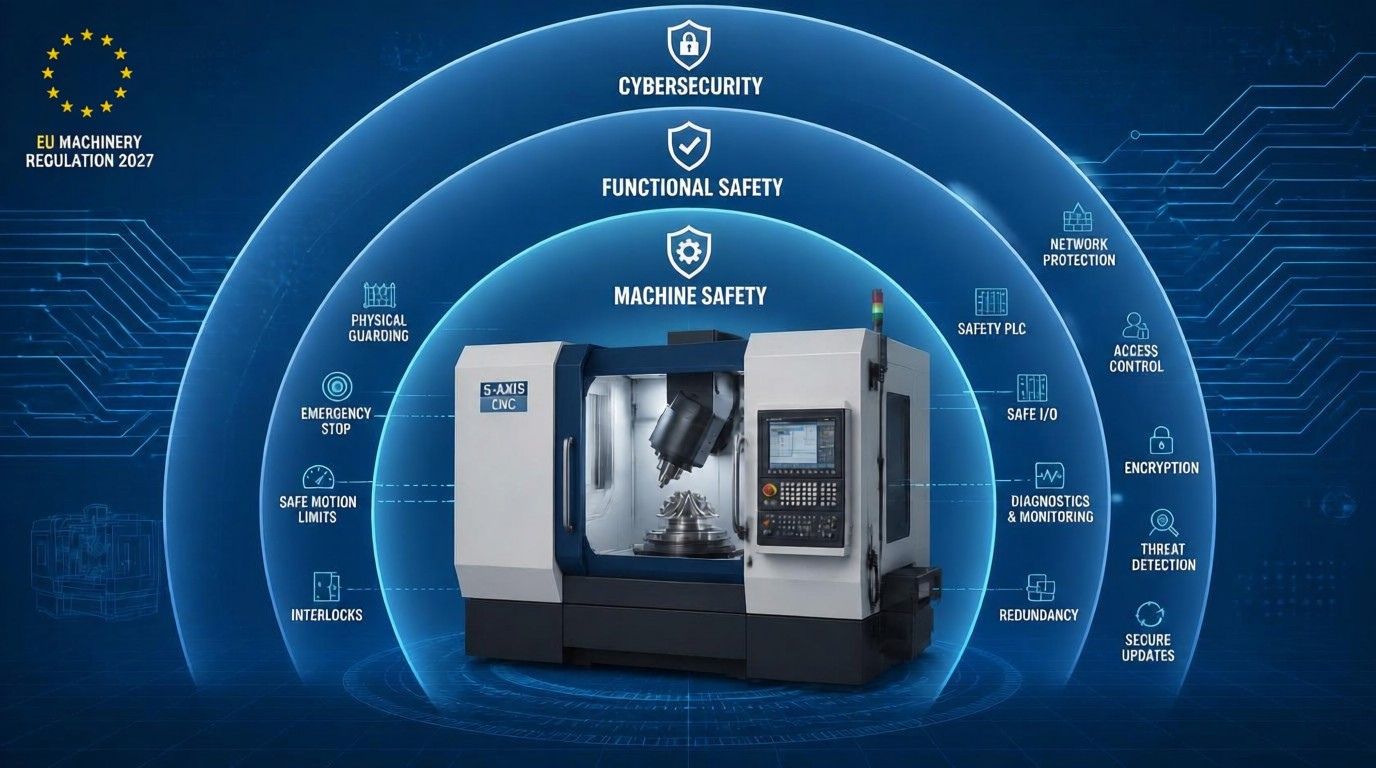
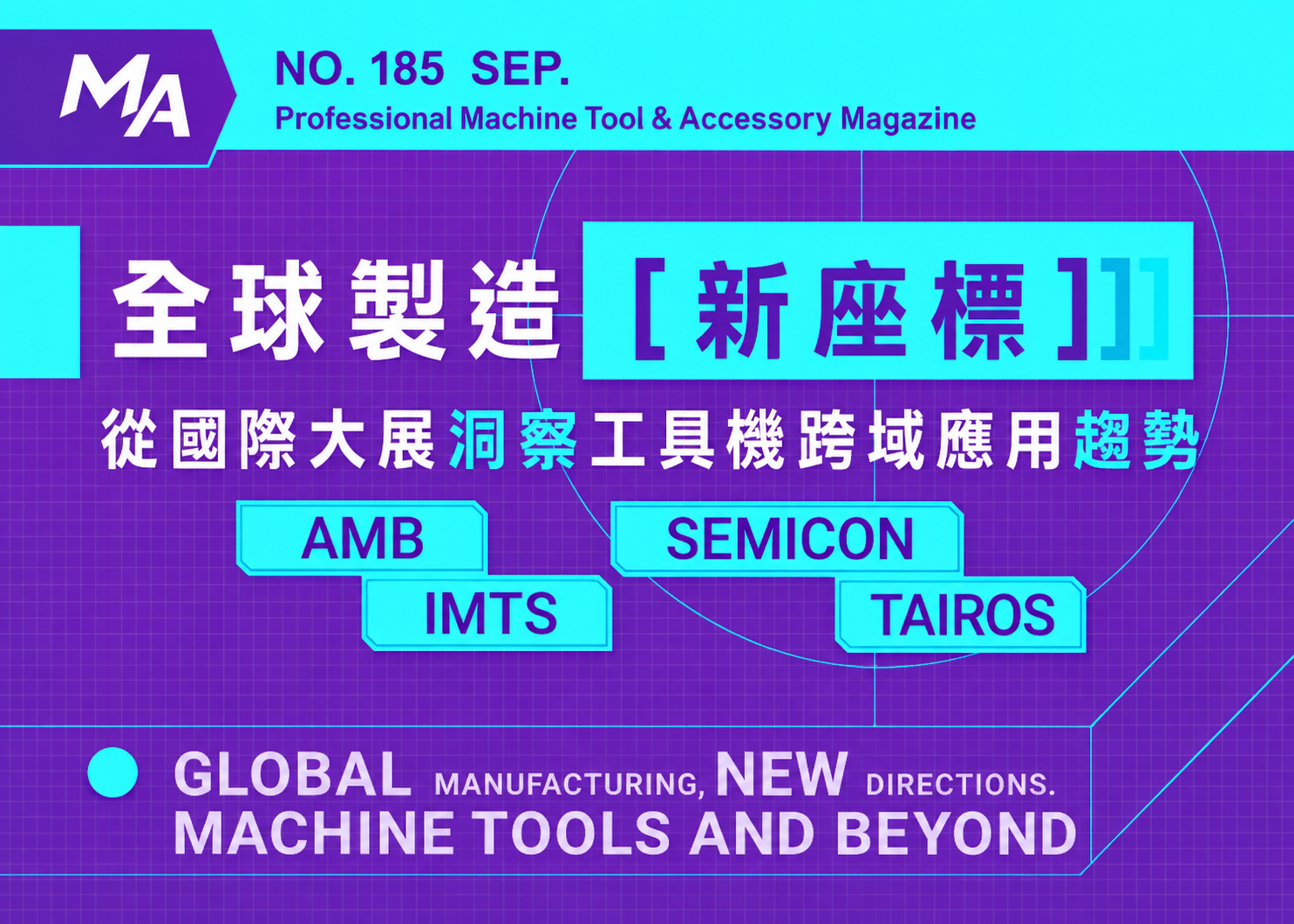
 AMB 2026: Practical Solutions for European ManufacturingAMB 2026 signaled a pragmatic shift in Europe’s machine tool market as demand begins to recover. Manufacturers are prioritizing first-part-right production, lights-out cells, quick-change automation, digital twins, and transparent energy use. Labor shortages, CBAM requirements, and the EU Machinery Regulation are accelerating investment in integrated, low-carbon, and secure manufacturing solutions. For Taiwanese suppliers, the key opportunities lie in strengthening turnkey capabilities, establishing a localized presence in Central and Eastern Europe, and improving cybersecurity and carbon-footprint transparency to secure a stronger position in Europe’s high-value manufacturing supply chains.
 -
 IMTS 2026: AI, Automation and Process Integration Reshape the Shop FloorIMTS 2026 highlighted the rapid shift of global manufacturing toward industrial AI, designed-in automation, process integration, and intelligent tool management. Amid rising material costs, skilled-labor shortages, and supply-chain restructuring, competitiveness is moving beyond stand-alone machine specifications toward integrated hardware, software, sensing, and service ecosystems. Physical AI, digital twins, plug-and-play automation, and DONE IN ONE solutions are becoming essential to resilient, high-mix production. Taiwan’s machine tool industry should deepen AI integration, develop accessible automation modules, and target high-value aerospace and semiconductor applications. By leveraging its flexible and comprehensive supply chain, Taiwan can strengthen its role as a global smart-manufacturing partner.
 -
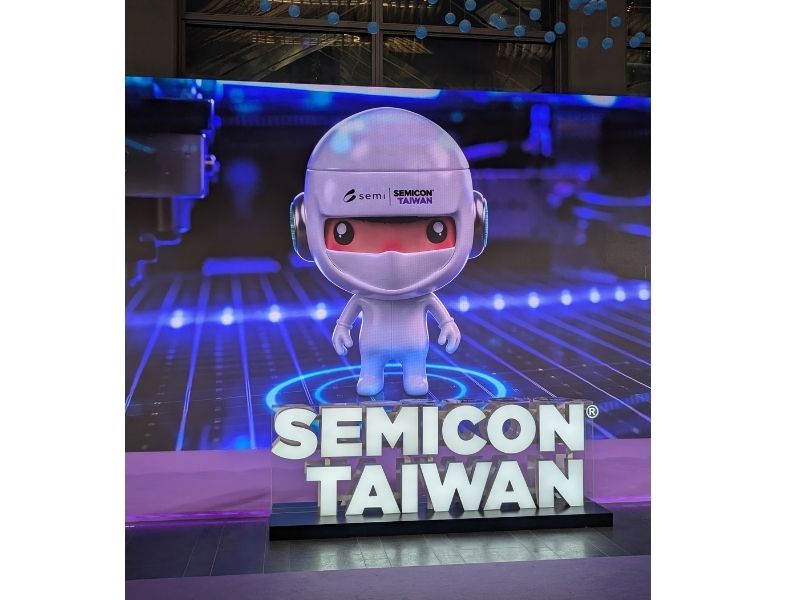 Beyond the Chip: Machine Tool Opportunities in Advanced Packaging at SEMICON 2026SEMICON Taiwan 2026 highlighted a shift in semiconductor competition from individual-chip performance to system-level integration, accelerating demand for advanced packaging, testing, metrology, and automation. Developments in panel-level packaging, glass substrates, probe cards, and co-packaged optics are creating new opportunities in grinding, micro-hole machining, precision motion, contamination control, and highly stable structures. Taiwan’s machine tool industry can build on its established strengths in precision manufacturing by addressing semiconductor process bottlenecks and integrating machining, metrology, motion control, and automation. Early investment in new-material processing, equipment validation, and dedicated components will be essential for entering the semiconductor equipment supply chain.
 -
 TAIROS 2026 Signals a New Chapter for Robotics: Taiwan Manufacturing Advances from Key Components to Physical AITAIROS 2026 highlights the shift of robotics from standalone machines and component supply toward intelligent systems integrating AI perception, precision control, digital twins, and field-oriented solutions. Taiwan has strong capabilities in precision transmission, motion control, robot manufacturing, and mass production, with growing opportunities in semiconductors, smart factories, and humanoid robotics. Future competitiveness will depend on standardized interfaces, modular components, hardware-software integration, safety validation, and reliable deployment across application fields. By strengthening ecosystem collaboration and developing scalable, replicable, and exportable robotics solutions, Taiwan can transform its manufacturing strengths into a competitive advantage in the emerging era of Physical AI.